Market Myths: Roubini’s Stark Warning Amid Global Economic Tensions
Renowned economist Dr. Nouriel Roubini has issued a scathing critique of current market optimism, calling it “delusional” as geopolitical tensions between leaders like Donald Trump and Xi Jinping escalate. Speaking at an economic forum this week, the “Dr. Doom” of 2008 crisis fame warned that Federal Reserve policies and fragile international relations could trigger a perfect storm. His analysis comes as global markets show unusual resilience despite mounting risks.
The Illusion of Stability in Turbulent Times
Roubini’s warning strikes at the heart of what he calls “complacent market narratives.” While major indices like the S&P 500 have gained 15% year-to-date, underlying vulnerabilities paint a different picture:
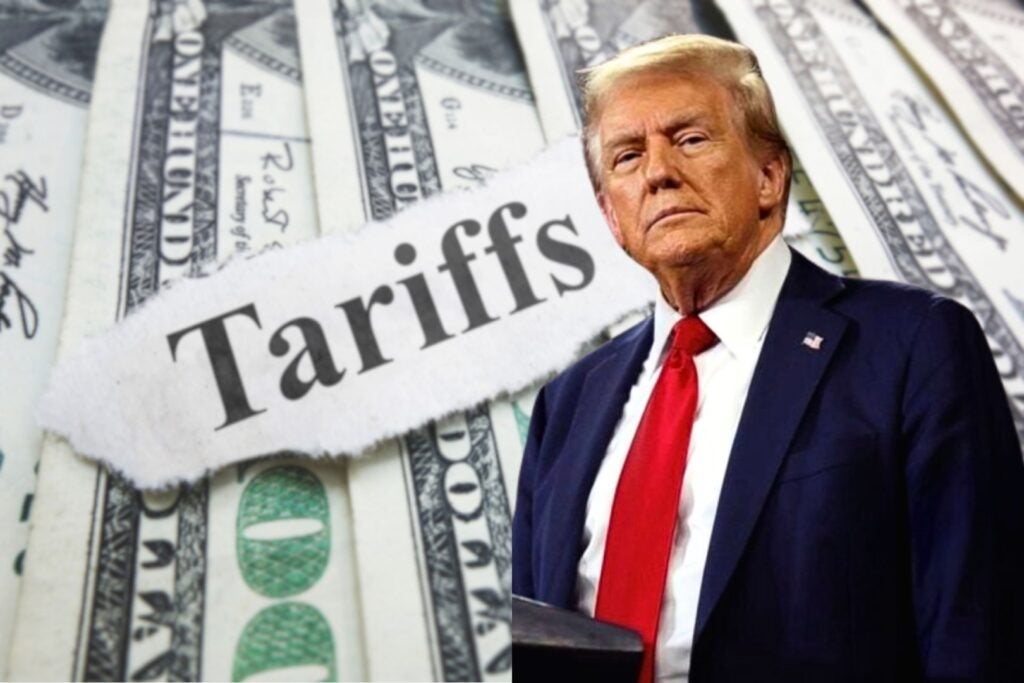
- U.S.-China trade tensions have resurged, with Trump proposing 60% tariffs
- Central banks maintain restrictive policies despite slowing growth
- Global debt reached $307 trillion in Q1 2024 (IIF data)
“Markets are pricing in a Goldilocks scenario that simply doesn’t exist,” Roubini stated. “Between election volatility, debt crises, and policy uncertainty, we’re walking a tightrope without a net.”
Geopolitical Flashpoints and Economic Fallout
The economist highlighted three critical pressure points that could unravel market stability:
1. The U.S.-China Cold War Escalation: Recent saber-rattling over Taiwan and technology restrictions have brought bilateral relations to their lowest point in decades. “When the world’s two largest economies weaponize trade, everyone loses,” noted Georgetown professor and former IMF economist Mark Harrison.
2. Election Year Volatility: With over 50 countries holding elections in 2024, policy uncertainty has spiked 38% year-over-year according to the Economic Policy Uncertainty Index. Roubini specifically cited potential market shocks from U.S. election outcomes, where leading candidates advocate radically different economic agendas.
The Federal Reserve’s Dangerous Tightrope Walk
While markets anticipate rate cuts, Roubini argues the Fed faces an impossible trilemma:
- Stubborn inflation (core CPI at 3.8% as of May)
- Fragile banking sector (regional bank stress tests show 14% vulnerability)
- Exploding deficits (U.S. debt servicing costs hit $1.1 trillion annualized)
“The Fed has no good options left,” said Janet Yellen, former Fed Chair, in a recent Brookings Institution panel. “They’re trying to land a plane with half the instruments broken.”
Alternative Perspectives: The Bull Case
Not all analysts share Roubini’s bleak outlook. Goldman Sachs research suggests:
- AI productivity gains could add 1.5% to global GDP growth
- Resilient consumer spending continues to support economies
- Alternative energy investments are offsetting traditional sector declines
“While risks exist, the fundamental strength of the U.S. economy shouldn’t be underestimated,” argued David Kostin, Goldman’s chief U.S. equity strategist. “Corporate balance sheets are healthier than pre-2008, and innovation cycles are accelerating.”
Historical Parallels and Warning Signs
Roubini draws disturbing comparisons to previous crisis periods:
| Indicator | 2007 Levels | Current Levels |
|---|---|---|
| Price-to-Earnings Ratio | 17.5 | 21.3 |
| Household Debt/GDP | 98% | 102% |
| Central Bank Balance Sheets | $6T (global) | $28T (global) |
“The tools we used last time are already spent,” Roubini warned. “When this bubble pops, there won’t be monetary policy Band-Aids left to apply.”
Preparing for the Storm: Investor Implications
For those heeding Roubini’s warning, several defensive strategies emerge:
- Diversification beyond traditional assets: Commodities, managed futures, and volatility instruments
- Geographic rebalancing: Emerging markets with lower U.S. dollar dependency
- Sector rotation: Healthcare, utilities, and consumer staples over tech and discretionary
BlackRock’s Investment Institute recommends a “barbell approach” – combining inflation-protected securities with selective growth exposure. “You need both shock absorbers and growth engines in this environment,” said CIO Rick Rieder.
As economic clouds gather, policymakers face unprecedented challenges. The IMF recently revised its global growth forecast downward to 2.7% for 2024, citing “fragmentation risks.” Meanwhile, the World Bank’s latest report warns developing nations face their toughest debt crisis in a generation.
Roubini’s final advice to investors: “Hope isn’t a strategy. Either prepare for reality or become its victim.” With market sentiment and fundamentals so starkly disconnected, his words carry particular weight as we enter what may become the most volatile economic period since the Great Recession.
For those seeking deeper analysis, the Peterson Institute will host a special briefing on geopolitical economic risks next Tuesday. Registration remains open for virtual attendance.
See more CCTV News Daily