Unveiling the Demise of America’s Shipbuilding Industry
The shipbuilding industry in America, once a cornerstone of economic strength and national security, has faced an alarming decline over the past few decades. This investigation delves into the myriad of factors that have contributed to the industry’s struggles, exploring the decisions, economic trends, and shifts in policy that have led to this significant downturn.
Historical Context: A Legacy of Innovation
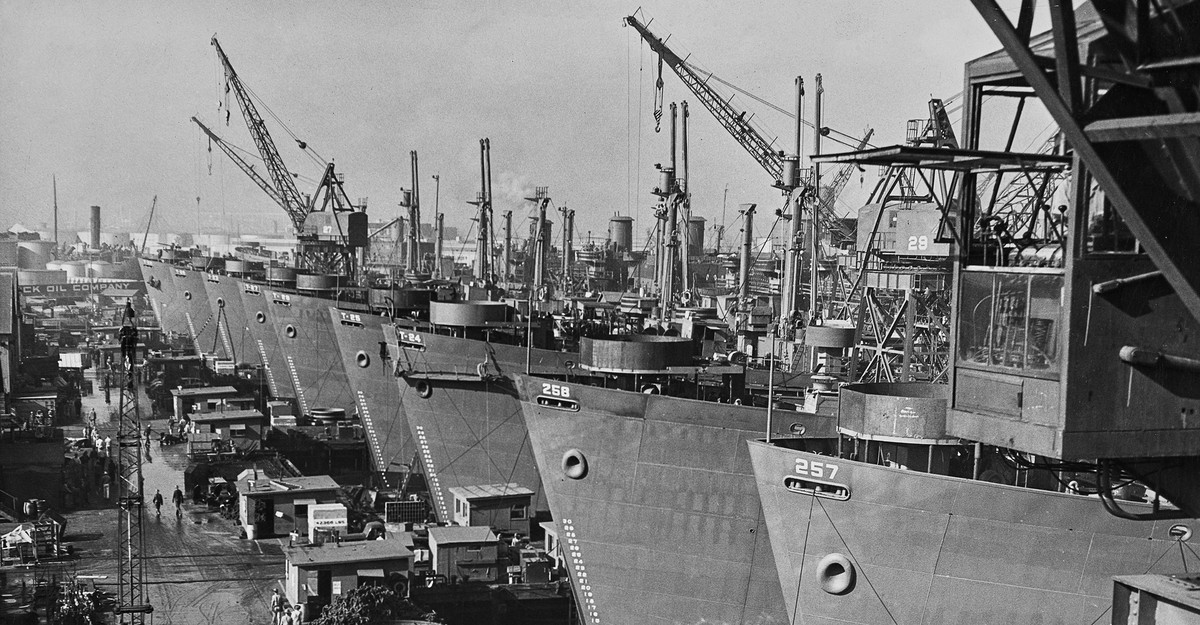
Shipbuilding in the United States has a storied history, marked by innovation and resilience. During World War II, the industry thrived, producing thousands of vessels that were crucial to the war effort. However, post-war dynamics shifted dramatically. The demand for military vessels decreased, and the rise of global competition began to take shape.
Declining Demand and Global Competition
As the Cold War waned, so did the government funding that had previously supported the industry. America’s shipbuilders found themselves contending with foreign competitors who could produce vessels at a fraction of the cost. Countries like South Korea and China invested heavily in their shipbuilding capabilities, leading to a significant loss of market share for American firms.
The Economic Ripple Effect
Moreover, the economic landscape in the United States has undergone considerable changes. With the rise of globalization, many industries have shifted focus from domestic production to lower-cost alternatives abroad. This transition has not only affected shipbuilding but has also led to a broader erosion of manufacturing jobs across various sectors.
Policy Decisions: A Double-Edged Sword
Government policy has played a crucial role in shaping the fate of shipbuilding in America. While initiatives like the Jones Act aimed to protect domestic shipping, they inadvertently limited competition. According to a report from the Government Accountability Office (GAO), these protective measures may have stifled innovation and efficiency within the industry.
Investment in Technology: A Missed Opportunity
Furthermore, the lack of investment in modernizing shipbuilding facilities has been a significant barrier. While competitors have embraced advanced technologies and automation, American shipyards have lagged behind. The National Defense Authorization Act has made efforts to allocate funds for modernization, yet bureaucratic hurdles often impede timely implementation.
Labor Issues: The Human Factor
The labor force in shipbuilding has also faced challenges. As the industry contracted, experienced workers left for more stable opportunities in other sectors. A report from the American Bureau of Shipping indicated that the aging workforce, coupled with a lack of new talent entering the field, has created a skills gap that is difficult to bridge.
Training and Retention: Building a Future Workforce
Efforts to revitalize shipbuilding must address the training and retention of skilled workers. Partnerships between shipyards and educational institutions could facilitate the development of programs aimed at attracting young talent, ensuring a steady influx of skilled labor into the industry.
Looking Ahead: The Future of Shipbuilding in America
The future of America’s shipbuilding industry hinges on the ability to adapt to changing economic conditions and technological advancements. Analysts suggest that focusing on niche markets, such as specialized vessels for renewable energy projects, could provide a path to recovery.
Embracing Innovation and Sustainability
Moreover, as global concerns about climate change intensify, there is a growing demand for environmentally friendly vessels. By investing in sustainable shipbuilding practices and technologies, American shipyards can position themselves as leaders in an evolving market.
Conclusion: A Call to Action
The decline of America’s shipbuilding industry serves as a stark reminder of the importance of strategic investment, innovation, and workforce development. To revive this vital sector, stakeholders must collaborate to address the underlying issues and capitalize on emerging opportunities.
As citizens and consumers, we have a role to play in supporting domestic shipbuilding initiatives. By advocating for policies that bolster local industries and investing in American-made products, we can help ensure a future where shipbuilding thrives once again.
For further insights into the state of America’s shipbuilding industry and how you can contribute to its revival, stay informed and engaged with local initiatives.
See more CCTV News Daily