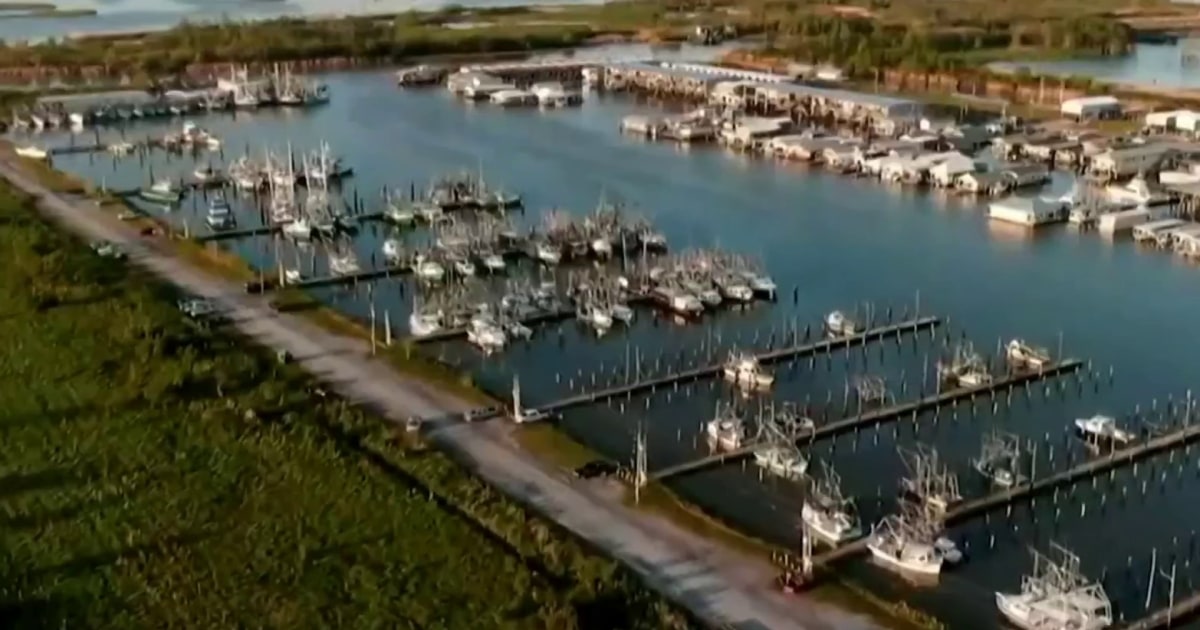
Louisiana Shrimpers Anticipate Windfall from Trump Tariffs
Louisiana shrimpers are bracing for a potential economic boom as the Trump administration’s tariffs on imported shrimp take effect this season. The new trade barriers, aimed at protecting domestic seafood industries, could significantly raise prices for foreign shrimp, giving local fishermen a competitive edge. Industry experts predict the tariffs may increase profits for Gulf Coast shrimpers by 20-30% while sparking debates about long-term trade relations and consumer costs.
The Tariff Impact on Domestic Shrimp Markets
The 10-15% tariffs on shrimp imports—primarily targeting major suppliers like India, Thailand, and Indonesia—come after years of lobbying by Southern Shrimp Alliance. Federal data shows imported shrimp accounts for nearly 90% of U.S. consumption, with Louisiana’s wild-caught shrimp representing just 5% of the national market.
“This could be the lifeline our industry needed,” says veteran shrimper Jacques Boudreaux of Lafitte, Louisiana. “Last year, I was getting $2.50 per pound for large shrimp. With these tariffs, we might see $3.25 or better at the docks.”
However, economists caution that the benefits may be uneven:
- Small boat operators could gain immediate price advantages
- Processors relying on imported shrimp may face supply chain disruptions
- Restaurants and retailers might pass costs to consumers
Decades of Decline Meet Unexpected Opportunity
Louisiana’s shrimp industry has shrunk by 40% since 2000 according to LSU AgCenter reports, with hurricanes, oil spills, and cheap imports decimating fleets. The state’s active shrimp licenses plummeted from 15,000 in 1980 to under 4,000 today.
“These tariffs won’t solve all our problems, but they’ll help level the playing field,” explains marine economist Dr. Elaine Fontenot. “Foreign farms operate with lower labor costs and fewer regulations. Our shrimpers simply couldn’t compete at those price points.”
The timing coincides with stronger-than-expected shrimp harvests in Barataria Bay and Terrebonne Parish, where water temperatures and salinity levels have created ideal conditions. Early season catches are reportedly 15% above five-year averages.
Potential Ripple Effects Across the Supply Chain
While dock workers celebrate, seafood distributors express concerns. “We’ll need to renegotiate contracts with every major restaurant chain,” notes New Orleans-based distributor Marco Pellegrini. “Some clients may switch to alternative proteins if shrimp prices jump too sharply.”
Key considerations for the coming months:
- Consumer price projections suggest $1-3 increases per pound for retail shrimp
- Export-dependent nations may challenge tariffs through WTO
- Louisiana’s $1.3 billion seafood industry could gain 2,000+ seasonal jobs
Balancing Short-Term Gains Against Long-Term Uncertainty
Some industry watchers warn that tariffs alone won’t ensure sustainability. “Without concurrent investments in dock infrastructure, workforce training, and marketing, this windfall might be temporary,” cautions Gulf Seafood Foundation director Clint Guidry.
Environmental factors also loom large. Rising Gulf temperatures and wetland erosion continue threatening shrimp breeding grounds. The Louisiana Coastal Protection and Restoration Authority estimates the state loses a football field of wetlands every 100 minutes.
The Road Ahead for Gulf Shrimpers
As boats return with their first post-tariff hauls, many shrimpers are cautiously optimistic. “We’ve survived BP, Katrina, and Chinese imports,” says third-generation fisherman Remy Thibodeaux. “If these tariffs hold, maybe my son won’t have to move to Texas for oil work.”
Industry analysts suggest these developments could:
- Revitalize struggling fishing communities
- Accelerate the “buy local” seafood movement
- Prompt retaliatory trade measures affecting other exports
For now, Louisiana’s shrimpers are focused on the immediate future—repairing nets, hiring deckhands, and watching global markets with renewed interest. As the summer season peaks, all eyes will be on whether these policy changes can deliver the promised revival to one of America’s most iconic food industries.
Want to support Louisiana shrimpers? Look for the “Certified Wild Louisiana Shrimp” label at supermarkets or visit local dockside markets along Highway 23 in Plaquemines Parish.
See more CCTV News Daily