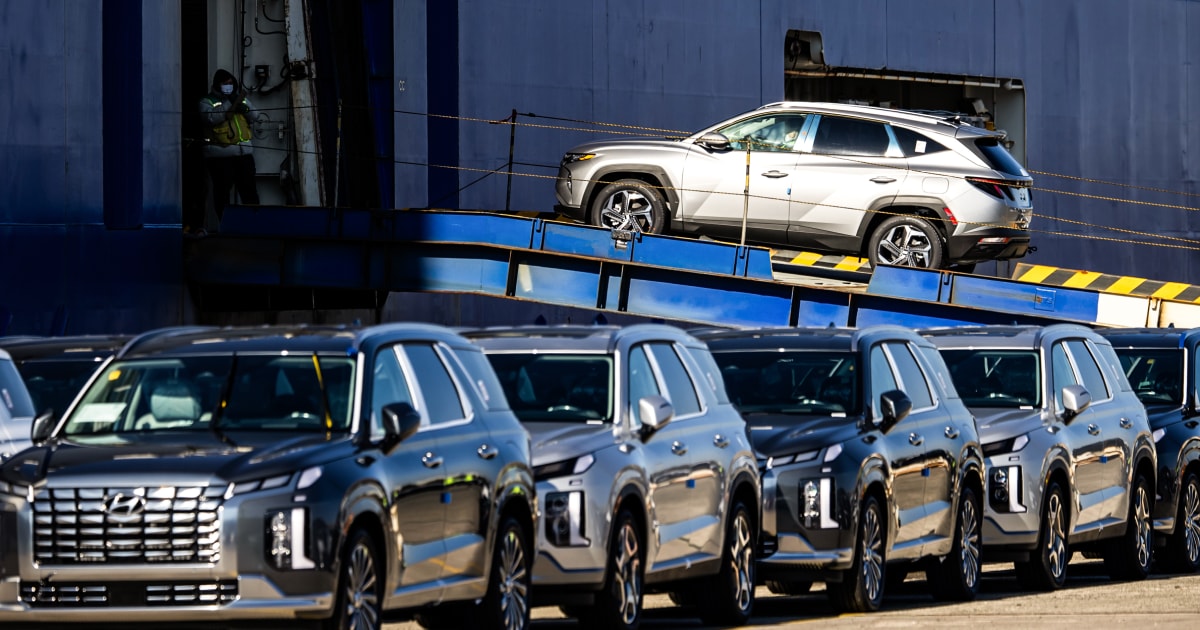
As global trade tensions escalate, particularly under the U.S. administration’s consideration of new tariffs, South Korea stands out as a beacon of stability for major automotive players like GM and Hyundai. The complexities of the automotive industry, combined with geopolitical shifts, have positioned South Korea as a vital hub for manufacturing and exporting vehicles. This situation prompts a closer examination of the potential long-term implications for the automotive sector and the broader landscape of international trade relations.
The Context of Tariff Threats
The U.S. government’s ongoing discussions regarding tariffs have created a climate of uncertainty for automakers worldwide. Tariffs, which are taxes imposed on imported goods, can significantly alter the market dynamics. In the automotive industry, they can affect production costs, pricing strategies, and ultimately, consumer choices. For instance, the proposed tariffs on vehicles imported from countries like South Korea could lead to increased prices for American consumers, potentially stifling demand for foreign cars.
In this fraught environment, South Korea’s automotive industry exhibits remarkable resilience. The country has a robust manufacturing infrastructure, a skilled workforce, and a commitment to innovation—all of which make it an attractive destination for companies looking to mitigate the risks associated with tariffs.
Why South Korea? A Strategic Location for Automotive Giants
South Korea has long been a vital player in the global automotive industry. Here are several reasons why it is becoming a focal point for major automakers:
- Advanced Manufacturing Facilities: South Korea hosts some of the most technologically advanced automotive manufacturing plants in the world. Companies like Hyundai and Kia have heavily invested in these facilities, ensuring high-quality production standards.
- Skilled Workforce: The nation’s emphasis on engineering and technical education has produced a workforce that’s not only skilled but also adaptable to the rapidly changing landscape of automotive technology.
- Proximity to Key Markets: Geographically, South Korea is well-positioned to serve both Asian and North American markets, facilitating efficient shipping routes and reducing logistics costs.
- Strong Domestic Market: South Korea has a vibrant automotive market, with significant domestic demand for both local and foreign brands, providing a cushion for manufacturers.
Implications for GM and Hyundai
Both General Motors (GM) and Hyundai are strategically positioned to benefit from South Korea’s automotive resilience amid tariff threats. GM has been re-evaluating its global operations, and its South Korean manufacturing plants can play a critical role in this strategy. By producing vehicles in South Korea, GM can potentially avoid the punitive tariffs that would apply to imports from other regions.
Hyundai, on the other hand, has a more established presence in South Korea and can leverage its domestic operations to boost exports. The company has been proactive in diversifying its product lines and investing in electric vehicle (EV) technologies, ensuring its competitiveness both at home and abroad.
The Role of Innovation
Innovation is a core pillar of South Korea’s automotive strategy. With the transition towards electric vehicles and autonomous driving technologies, South Korean manufacturers are at the forefront of these developments. Investments in research and development (R&D) have enabled companies like Hyundai to lead in EV technology, which is becoming increasingly important in the global market.
Furthermore, the South Korean government has been supportive of the automotive sector, implementing policies that encourage innovation and investment in sustainable technologies. This creates an environment where companies can thrive, even in the face of external pressures like tariffs.
Long-Term Implications for the Automotive Industry
The implications of South Korea’s resilience amidst tariff threats extend beyond immediate economic considerations. Here are some potential long-term effects:
- Shift in Global Supply Chains: As companies seek to minimize risks associated with tariffs, they may reconsider their supply chains. South Korea’s position as a manufacturing hub could lead to a reconfiguration of global supply chains, with more companies looking to establish or expand their presence in the country.
- Increased Competition: As South Korea solidifies its role in the automotive sector, competition among automakers may intensify. This could lead to improved products and services for consumers, as companies strive to differentiate themselves in a crowded market.
- Geopolitical Dynamics: The ongoing trade tensions between the U.S. and other countries could influence international relations in significant ways. South Korea’s strategic importance may lead to stronger alliances with other nations, particularly as they navigate the complexities of trade agreements and tariffs.
The Future: A Safe Harbor for Innovation and Growth
As the automotive industry grapples with the uncertainties posed by tariffs, South Korea’s resilience shines through. With its advanced manufacturing capabilities, a skilled workforce, and a commitment to innovation, the country is poised to be a safe harbor for major automakers. The collaboration between local and international companies in South Korea could foster an environment ripe for growth, helping to drive forward the next generation of automotive technologies.
In conclusion, while the threat of tariffs looms large, South Korea’s automotive sector demonstrates a remarkable ability to adapt and thrive. As GM, Hyundai, and other automakers navigate these challenges, South Korea stands ready to support their efforts, ensuring that the automotive industry remains a vital component of the global economy.
With continued investment in innovation and a focus on strategic partnerships, the future looks promising for South Korea’s automotive industry. As it emerges as a sanctuary amidst tariff threats, the global automotive landscape may very well be reshaped for years to come.
See more CCTV News Daily