Unraveling the Stagflation Puzzle: Understanding Its Roots
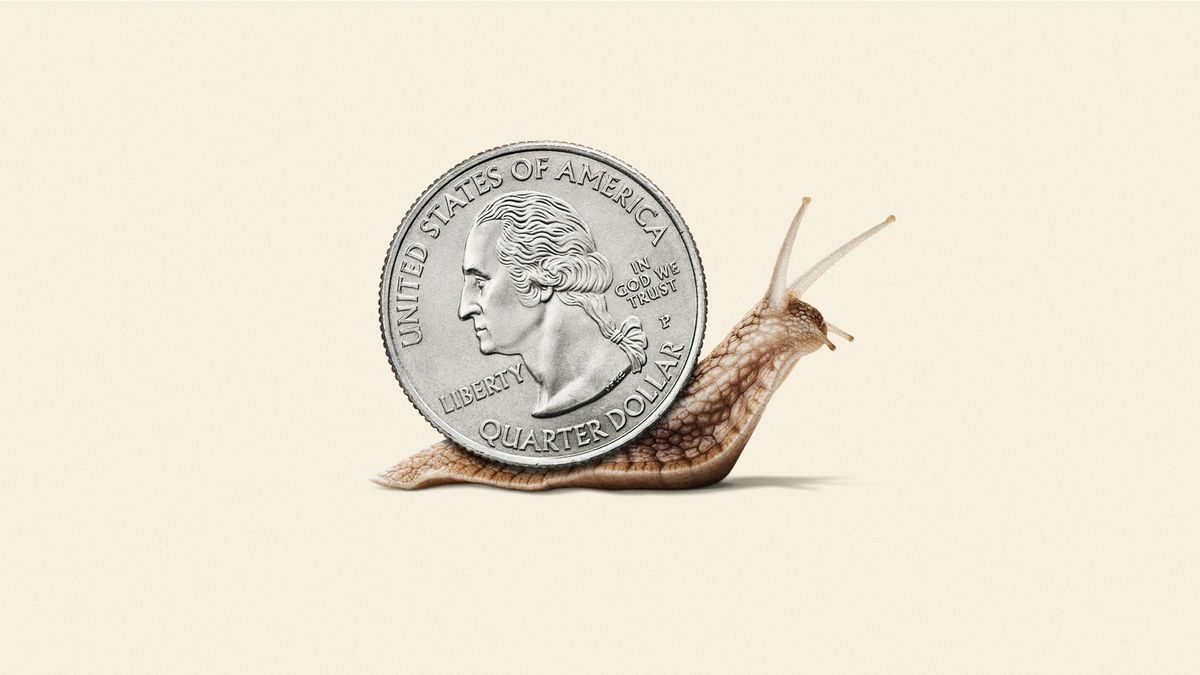
As we navigate through the complexities of the global economy, the term “stagflation” has resurfaced with alarming frequency. This phenomenon, marked by stagnant economic growth, high unemployment, and rising inflation, poses a significant challenge for policymakers, consumers, and investors alike. In this article, we’ll dissect the factors contributing to stagflation, explore its implications, and provide insights on what the future may hold for economies grappling with this daunting puzzle.
What Exactly is Stagflation?
Stagflation is a term coined in the 1970s, during a period when many Western economies experienced rising inflation alongside stagnant economic growth. Unlike typical inflationary scenarios, where economic growth is accompanied by rising prices, stagflation presents a unique challenge: how to combat inflation without exacerbating unemployment. The classic economic models fail to address this conundrum, leading to a need for new strategies and frameworks.
The Current Economic Landscape
In recent years, various indicators have raised concerns about the potential resurgence of stagflation. Factors such as supply chain disruptions, geopolitical tensions, and monetary policy shifts have created a perfect storm that could lead to a stagnating economy while prices continue to climb.
- Supply Chain Disruptions: The COVID-19 pandemic exposed vulnerabilities in global supply chains. As factories closed and transportation networks faltered, production slowed, leading to shortages of goods and increased prices.
- Geopolitical Tensions: Ongoing conflicts, trade wars, and sanctions have further strained international trade relationships, exacerbating inflationary pressures.
- Monetary Policy Shifts: Central banks worldwide have employed aggressive monetary policies, including low interest rates and quantitative easing, to stimulate growth. However, these measures can also lead to inflation if not managed carefully.
Factors Contributing to Stagflation
To understand the potential for stagflation, we must explore the underlying factors that contribute to this economic malaise.
Inflationary Pressures
Inflation is often driven by demand-pull factors, where demand outstrips supply. However, in stagflation scenarios, cost-push inflation becomes a significant player. Cost-push inflation occurs when the production costs rise, forcing businesses to pass those costs onto consumers. Key contributors to cost-push inflation include:
- Rising Commodity Prices: Increases in oil and food prices can significantly impact overall inflation. For instance, crude oil price hikes can lead to higher transportation costs, which are then reflected in consumer goods.
- Labor Market Constraints: A tight labor market can drive wages up as employers compete for a limited workforce, leading to increased production costs.
Stagnant Economic Growth
Several factors can contribute to stagnant economic growth, including:
- Decreased Consumer Confidence: When consumers fear economic instability, they tend to spend less, which can stagnate growth. This creates a vicious cycle where reduced spending leads to less business investment and job creation.
- Investment Hesitancy: Businesses may hesitate to invest in expansion or innovation during uncertain economic times, further suppressing growth.
Implications for Consumers and Investors
The specter of stagflation poses several implications for consumers and investors. Understanding these can help individuals and businesses make informed decisions.
Impact on Consumers
For consumers, stagflation can lead to a decrease in purchasing power. As prices rise and wages stagnate, households may find it increasingly challenging to afford basic necessities. Some potential consequences include:
- Reduced Living Standards: Higher prices for essential goods can strain budgets, forcing families to make difficult choices about spending.
- Increased Debt Levels: Consumers may resort to borrowing to maintain their living standards, leading to increased debt levels and financial vulnerability.
Impact on Investors
Investors face a challenging landscape during periods of stagflation. The traditional investment strategies may not yield the expected returns due to the unique economic conditions. Here are some considerations:
- Asset Allocation: Investors may need to reassess their portfolios, moving away from traditional equities and considering assets like commodities or real estate that tend to hold value during inflationary periods.
- Focus on Defensive Stocks: Companies with strong pricing power and essential goods may fare better. Defensive sectors like utilities and consumer staples often outperform during economic downturns.
Strategies to Combat Stagflation
While stagflation presents a complex challenge, there are strategies that governments and central banks can employ to navigate this economic puzzle:
Monetary Policy Adjustments
Central banks may need to recalibrate their monetary policies to address inflation without stifling growth. This could involve:
- Interest Rate Increases: Gradually raising interest rates can help curb inflation but must be done cautiously to avoid derailing economic growth.
- Targeted Fiscal Policies: Governments can implement spending initiatives that stimulate growth in key sectors while avoiding excessive inflationary pressures.
Supply Chain Resilience
Investing in supply chain resilience can help mitigate the impact of future disruptions. This may include:
- Diversifying Suppliers: Businesses should consider diversifying their sources of materials to reduce dependence on single suppliers.
- Embracing Technology: Leveraging technology to enhance inventory management and logistics can improve efficiency and reduce costs.
Looking Ahead: What Does the Future Hold?
As we unravel the stagflation puzzle, it is crucial to remain vigilant and adaptive. The current economic landscape is fraught with uncertainty, but understanding the contributing factors can empower consumers and investors to make informed choices. While the specter of stagflation looms large, proactive strategies and resilient economic policies can pave the way for recovery and growth.
In conclusion, the threat of stagflation is real, but it does not have to spell doom for economies. By addressing the underlying causes and adapting to the changing landscape, consumers, investors, and policymakers can navigate this challenge and emerge stronger. The future may hold uncertainties, but with the right strategies, it can also present opportunities for innovation, growth, and resilience.
See more CCTV News Daily