Signs of Stagflation: Understanding the Economic Landscape Ahead of Tariff Day
As tariff day approaches, economic experts are raising alarms about the potential emergence of stagflation. Stagflation—a term that combines stagnation and inflation—represents a challenging scenario for economies, characterized by stagnant economic growth, high unemployment, and rising prices. Understanding the signs of stagflation is crucial for businesses and consumers alike, especially in light of upcoming tariff changes that could further complicate the economic landscape.
The Economic Context: What is Stagflation?
Stagflation occurs when an economy experiences slow growth and high inflation simultaneously. This paradoxical situation can create a perfect storm for both consumers and businesses. Traditionally, inflation and unemployment have an inverse relationship, as seen in the Phillips Curve theory. However, stagflation disrupts this dynamic, leading to difficult choices for policymakers.
Key indicators of stagflation include:
- High Inflation Rates: Persistent increases in consumer prices, often driven by supply chain disruptions or increased production costs.
- Stagnant Economic Growth: Low or negative growth rates in GDP, indicating that the economy is not expanding.
- Rising Unemployment: Increased joblessness as businesses cut back on hiring or lay off workers due to rising costs and reduced consumer spending.
Indicators of Stagflation: What to Watch For
As we approach tariff day, several signs might indicate that stagflation is on the horizon:
- Consumer Price Index (CPI) Increases: A sharp rise in the CPI suggests that consumers are paying more for goods and services, an early warning sign of inflation.
- Low Consumer Confidence: Surveys indicating that consumers are less willing to spend money can signal stagnation, as reduced spending affects economic growth.
- Declining Business Investment: If businesses are hesitant to invest in expansion due to uncertainty, this could lead to slower economic growth and higher unemployment.
- Wage Stagnation: If wages fail to keep pace with inflation, consumers will have less purchasing power, further contributing to economic stagnation.
The Role of Tariffs in Economic Dynamics
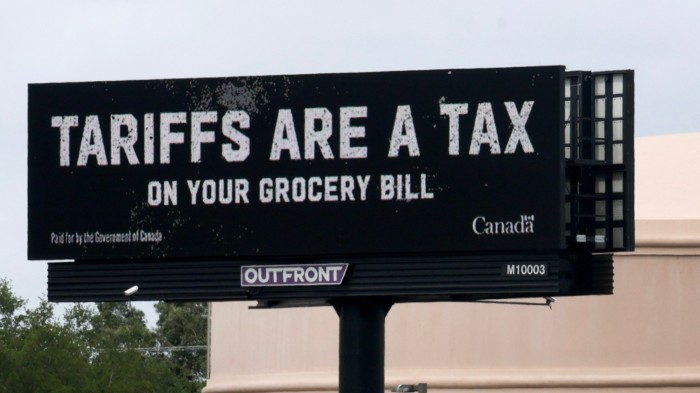
Tariffs, or taxes on imported goods, can have a profound impact on the economy. While they are often intended to protect domestic industries from foreign competition, they can also lead to higher prices for consumers. As tariffs increase, businesses may face rising costs for raw materials, which can then be passed on to consumers in the form of higher prices. This situation can exacerbate inflationary pressures and contribute to the risk of stagflation.
Some potential consequences of tariffs that could lead to stagflation include:
- Increased Production Costs: Higher tariffs on imported goods can lead to increased costs for manufacturers, which may ultimately be passed on to consumers.
- Supply Chain Disruptions: Tariffs can create uncertainty in supply chains, leading to potential shortages and further price increases.
- Reduced Foreign Investment: If tariffs make a country less attractive for foreign investors, this could stifle economic growth and innovation.
What Does This Mean for Businesses?
For businesses navigating the potential reality of stagflation, understanding these dynamics is crucial. Here are some strategies that companies might consider:
- Cost Management: Businesses should evaluate their supply chains and production processes to identify areas where costs can be cut without sacrificing quality.
- Pricing Strategies: Companies may need to reassess their pricing strategies to remain competitive while managing increased costs.
- Diversification: Expanding product lines or markets can help mitigate risks associated with economic stagnation.
Consumers are not immune to the effects of stagflation. Rising prices and stagnant wages can create financial strain for households. Here are some proactive measures consumers can take:
- Budgeting Wisely: With inflation eroding purchasing power, consumers should prioritize essential expenses and cut back on discretionary spending.
- Seeking Value: Consumers can look for sales, discounts, and alternatives to brand-name products to stretch their dollars further.
- Investing in Skills: Upskilling or reskilling can enhance job security and open up new employment opportunities in a challenging job market.
While stagflation presents significant challenges, it’s essential to remain optimistic. History has shown that economies can recover from tough times through innovation, strategic policymaking, and consumer resilience. Policymakers have tools at their disposal to combat stagflation, including:
- Monetary Policy Adjustments: Central banks can adjust interest rates to control inflation and stimulate economic growth.
- Fiscal Stimulus: Governments can implement stimulus packages to boost consumer spending and support businesses.
- Trade Policies: Reevaluating trade agreements and tariffs may alleviate some inflationary pressures.
In conclusion, as tariff day approaches, the possibility of stagflation looms larger, but understanding the signs can empower both businesses and consumers to navigate these uncertain waters. By staying informed and proactive, we can collectively work towards mitigating the impacts of stagflation and fostering a more resilient economy.
See more CCTV News Daily