Can Trump’s Steel Tariffs Ignite a Global Trade Conflict?
The imposition of steel tariffs by President Trump has raised alarm bells around the world, particularly among nations that rely heavily on steel imports and exports. As these tariffs tighten the grip on international trade, the European Union has signaled its intent to respond with countermeasures. The question looming over global markets is whether Trump’s steel tariffs will indeed ignite a global trade conflict, reshaping the landscape of international trade as we know it.
Understanding Trump’s Steel Tariffs
In 2018, President Trump announced tariffs of 25% on steel and 10% on aluminum imports, citing national security concerns under Section 232 of the Trade Expansion Act of 1962. The rationale behind these tariffs was to bolster the domestic steel industry, protect American jobs, and reduce dependence on foreign steel, particularly from countries like China. However, the repercussions of these tariffs have reverberated far beyond U.S. borders.
While the administration argued that these measures would revitalize American manufacturing, critics pointed to the potential for retaliatory actions from trading partners. The tariffs have sparked fears of a trade war, where countries might impose their own tariffs on U.S. goods, ultimately leading to increased prices for consumers and economic instability.
The European Union’s Response
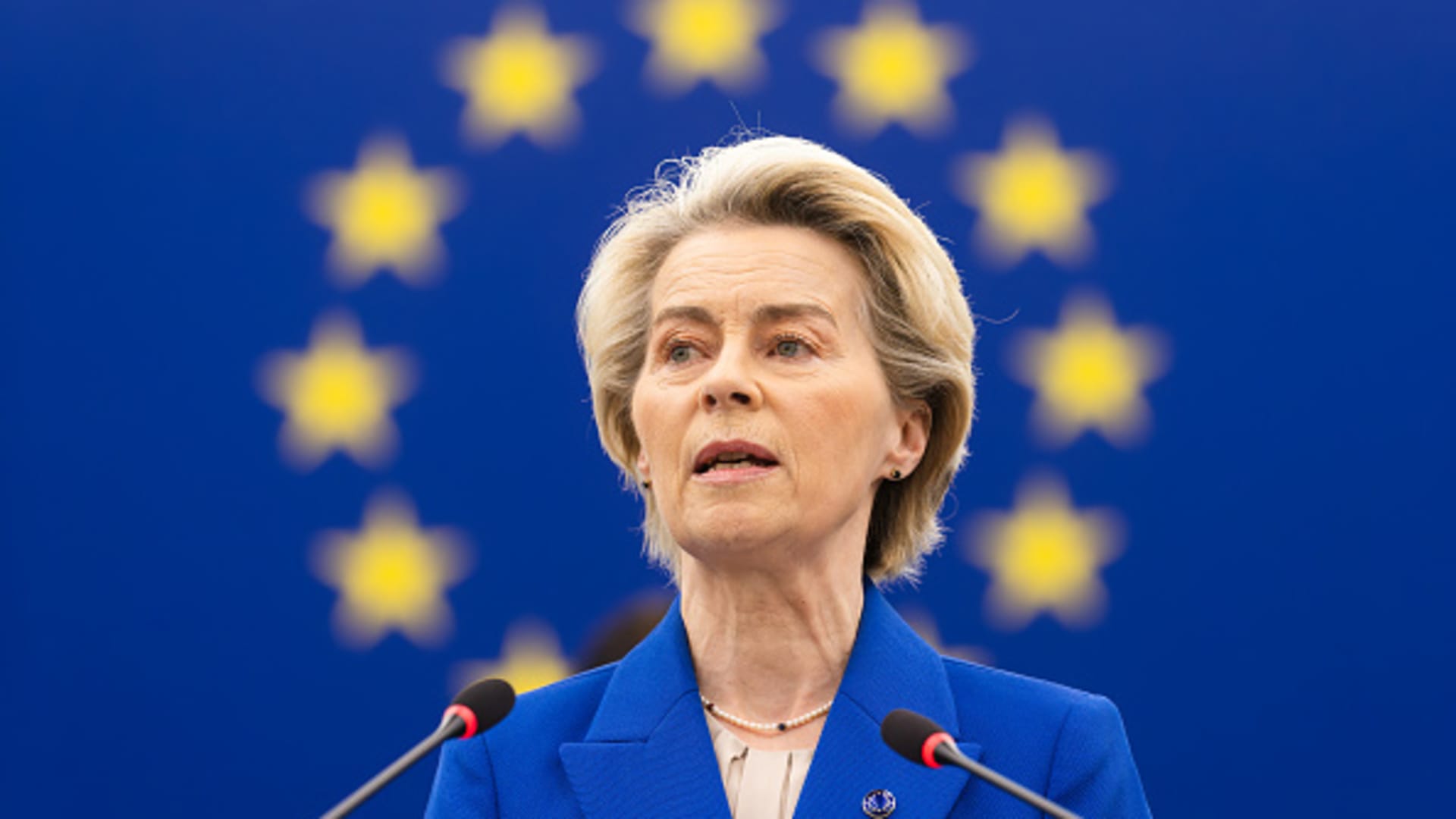
The European Union has been one of the most vocal critics of Trump’s steel tariffs. In response to the U.S. measures, the EU announced plans to implement counter-tariffs on various American products, including bourbon, motorcycles, and steel. This tit-for-tat exchange underscores the rising tensions in international trade relations.
EU officials have emphasized that the tariffs are discriminatory and violate World Trade Organization (WTO) rules. With the potential for further escalations, the EU’s countermeasures could lead to a protracted trade conflict that impacts global supply chains and economic growth.
The Ripple Effects on Global Trade Dynamics
The implications of Trump’s steel tariffs extend beyond U.S. and EU trade relations. Countries around the world are closely monitoring the situation, as they may feel compelled to take sides or protect their own industries. This situation presents several potential outcomes:
- Increased Global Tensions: As nations retaliate against one another, diplomatic relations could sour, leading to a fragmented global trading system.
- Supply Chain Disruptions: Industries reliant on steel could face supply shortages or increased costs, pushing companies to seek alternative suppliers or relocate production.
- Market Uncertainty: Investors may hesitate to engage in cross-border investments, fearing the unpredictability of tariffs and potential retaliations.
Economic Impact on the United States
The economic impact of Trump’s steel tariffs on the U.S. economy is a topic of heated debate. While the administration claims that the tariffs have led to job creation in the steel sector, a closer examination reveals that the broader manufacturing industry may suffer.
For instance, industries that rely on steel, such as automotive and construction, could face rising costs, which may lead to higher prices for consumers. This could diminish the purchasing power of American families, counteracting any benefits gained from job growth in the steel sector.
The Role of Emerging Markets
Emerging markets, particularly in Asia and South America, are also affected by these tariffs. Countries that export steel to the U.S. may look to redirect their products to other markets, potentially leading to oversupply and price drops in regions that were previously insulated from such fluctuations. For example, Brazilian steel producers have sought to increase their exports to Europe and Asia, capitalizing on the changing dynamics.
This could create competition among nations, with countries vying for market share, which could further exacerbate tensions. The interconnectedness of global supply chains means that the repercussions of U.S. tariffs could be felt in various industries worldwide.
Working Towards Resolution
Despite the potential for escalating conflicts, there are avenues for resolution. Diplomacy can play a crucial role in easing tensions and finding common ground. The WTO provides a platform for nations to negotiate trade disputes and seek fair solutions. Engaging in dialogue and fostering cooperative relationships can pave the way for a more stable trading environment.
Moreover, countries can explore bilateral trade agreements that benefit both parties while mitigating the impact of tariffs. By emphasizing collaboration over confrontation, nations can work towards a more harmonious global trading system.
Future Outlook: A Cautious Optimism
As we navigate the complexities of international trade, it is essential to remain cautiously optimistic. While Trump’s steel tariffs have certainly introduced volatility into global markets, there is still potential for constructive outcomes. The international community must prioritize dialogue and collaboration to address trade imbalances without resorting to protectionism.
As nations recognize the interdependence of their economies, they may find that cooperation yields greater benefits than conflict. The global economy has always been subject to fluctuations, but history has shown that resilient diplomatic efforts can lead to renewed partnerships and trade relationships.
Conclusion
In conclusion, Trump’s steel tariffs have the potential to ignite a global trade conflict, but the outcome is not predetermined. The European Union’s countermeasures illustrate the immediate tensions, yet there remains room for dialogue and cooperation. The future of international trade hinges on the ability of nations to navigate these challenges with diplomacy and foresight. By fostering open communication and seeking mutually beneficial solutions, the global community can work towards a stable and prosperous trading environment.
Ultimately, while the risks associated with Trump’s steel tariffs are palpable, the opportunity for collaboration and resolution remains a beacon of hope in the realm of international trade.
See more CCTV News Daily