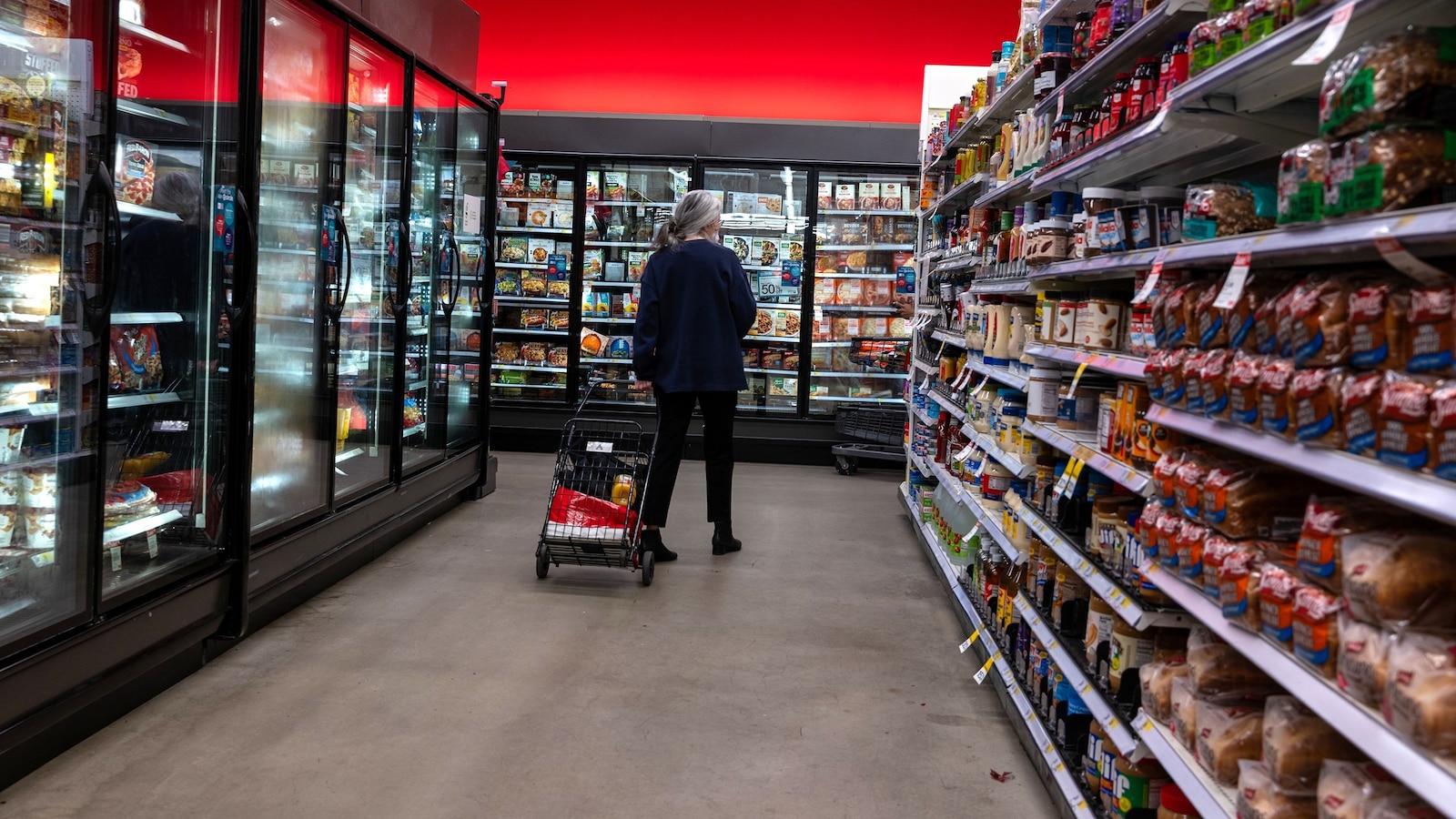
Consumers are increasingly drawn to tariff-impacted goods due to their lower prices, but experts warn that hidden dangers—from quality concerns to legal issues—may outweigh the short-term savings. As global trade tensions persist, shoppers must weigh the risks of purchasing products subject to tariffs, particularly when buying from international sellers. Here’s what you need to know to make informed decisions.
The Allure and Pitfalls of Discounted Tariff Goods
Tariffs, taxes imposed on imported goods, often lead to price reductions as sellers attempt to offload excess inventory. While this creates opportunities for bargain hunters, the trade-offs can be significant. A 2022 study by the Consumer Trade Alliance found that 34% of tariff-impacted electronics sold online had defects or missing components, compared to 12% of non-tariffed items.
“Consumers see a low price and assume they’re getting a deal, but tariffed goods frequently lack warranties or reliable customer support,” explains Dr. Elena Ruiz, a trade economist at the Global Policy Institute. “You might save $50 upfront but spend $200 on repairs.”
Hidden Costs Beyond the Price Tag
Beyond quality issues, buyers face other risks:
- Legal gray areas: Some sellers mislabel tariffed items to avoid fees, leaving purchasers liable for penalties.
- Supply chain delays: Customs inspections can hold up orders for weeks, especially during peak seasons.
- Counterfeit products: The U.S. Customs and Border Protection reported a 28% rise in seized counterfeit goods linked to tariff disputes in 2023.
For example, a Florida-based furniture retailer faced fines last year after unknowingly selling tariff-dodging goods sourced through a third-party vendor. “Due diligence is critical,” advises Marcus Lee, a supply chain attorney. “If a deal seems too good to be true, it probably is.”
Who Benefits—and Who Bears the Burden?
While tariffs aim to protect domestic industries, their ripple effects complicate the narrative. Small businesses often struggle with fluctuating costs, whereas larger corporations may absorb the hit or shift operations. Meanwhile, consumers bear the brunt of unpredictable pricing and reduced options.
Data from the International Trade Commission reveals that U.S. tariffs on Chinese goods in 2023 led to:
- A 9% average price drop for affected imports
- A 14% increase in customer complaints related to product functionality
How to Shop Smart Amid Trade Uncertainties
Experts recommend these steps to mitigate risks:
- Research sellers: Verify reviews and return policies before purchasing.
- Check certifications: Look for FCC marks on electronics or USDA stamps on food items.
- Factor in total costs: Include potential repair fees or shipping delays in your budget.
The Future of Tariffs and Consumer Choice
As trade policies evolve, analysts predict tighter regulations on e-commerce platforms to curb tariff avoidance. The European Union’s upcoming 2024 Digital Customs Initiative, for instance, will require detailed product origins for all cross-border sales.
“Transparency will be the cornerstone of ethical consumption in the next decade,” says Ruiz. “Consumers who prioritize it now will avoid headaches later.”
For those navigating tariff-impacted purchases, the key takeaway is vigilance. By understanding the trade-offs and staying informed, shoppers can protect their wallets—and their peace of mind. Want to stay updated on trade policies affecting your purchases? Subscribe to our consumer insights newsletter for monthly analysis.
See more CCTV News Daily