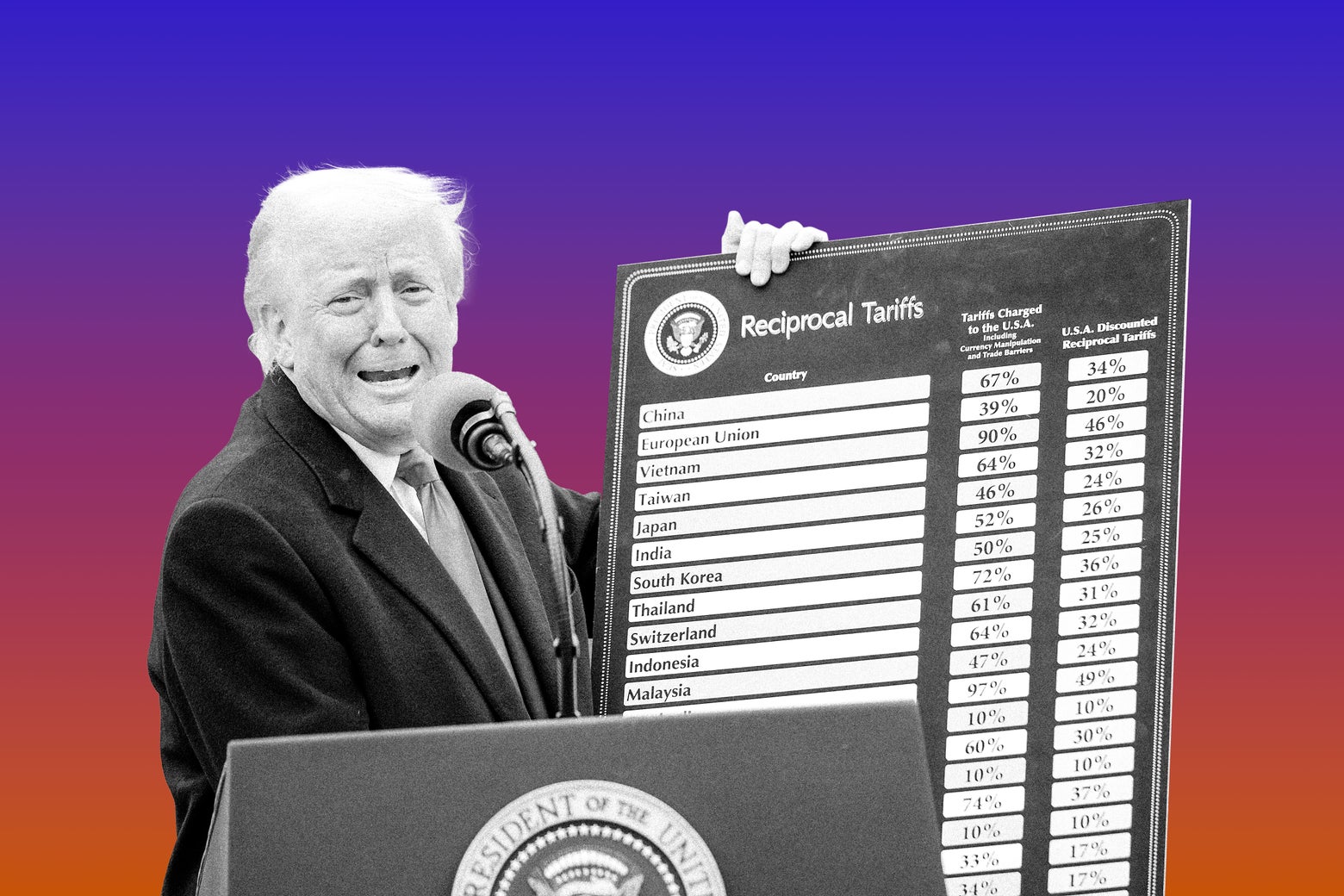
How Tariffs Could Reshape Global Trade Dynamics
Tariffs, often criticized as protectionist measures, are emerging as potential catalysts for domestic industrial growth and global trade realignment. Governments worldwide are reconsidering these import taxes not just as revenue generators, but as strategic tools to bolster local economies, protect jobs, and reduce dependency on foreign markets. While critics warn of trade wars and inflation, proponents argue tariffs could level the playing field for emerging industries. This analysis examines the nuanced impacts of tariffs across sectors, drawing on economic data and expert insights.
The Strategic Case for Tariffs in Modern Economics
Historically, tariffs have fueled industrialization—the U.S. averaged 35% tariffs during its 19th-century manufacturing boom. Today, targeted tariffs are reviving this playbook. A 2023 World Bank study found that nations imposing sector-specific tariffs under 15% saw 6.2% average growth in protected industries within three years, with minimal consumer price hikes. “When calibrated precisely, tariffs act like training wheels for infant industries,” explains Dr. Elena Vardanyan, trade economist at the Geneva Institute. “The key is sunset clauses—protection shouldn’t become permanent.”
Success stories include Vietnam’s 12% tariff on steel imports in 2020, which boosted domestic production by 27% while maintaining export competitiveness. Conversely, broad-brush tariffs often backfire; the U.S.-China trade war demonstrated how sweeping measures can disrupt supply chains. “The difference lies in surgical precision versus blunt force,” notes Vardanyan.
Tariffs as Tools for Sustainability and Fair Trade
Beyond economics, tariffs are increasingly deployed to advance environmental and labor goals. The EU’s Carbon Border Adjustment Mechanism (CBAM), effectively a tariff on high-emission imports, reduced carbon-intensive imports by 14% in its pilot phase. Similarly, Mexico’s 2022 tariffs on goods made with forced labor redirected $3.8 billion in trade to ethical suppliers.
- Climate impact: CBAM-style tariffs could cut global CO2 emissions by 5% by 2030 (IMF projections)
- Wage effects: MIT research links 7-10% tariffs to 3.1% higher wages in protected sectors
Critics like free-market advocate David Feldspar counter: “Tariffs distort market signals. A steel tariff might save jobs today but delay adoption of greener alternatives.” Yet even Feldspar concedes targeted tariffs may be “the least bad option” to address dumping—a view echoed by WTO case data showing 68% of anti-dumping tariffs achieve their intended market corrections.
Sector-Specific Impacts: Winners and Challenges
Revitalizing Manufacturing and Tech Sectors
South Korea’s 8% tariff on battery components catalyzed a 140% surge in local EV supply chain investments. Meanwhile, India’s phased electronics tariffs helped mobile phone production jump from 60 million to 310 million units annually since 2015. “You need breathing room to build capability,” argues Mumbai-based industrialist Rajiv Mehta. “Without initial protection, developing economies just remain assemblers of foreign parts.”
Agricultural Tradeoffs and Food Security
While agricultural tariffs protect farmers, they risk increasing food costs. Japan’s 778% rice tariff preserves its farming culture but keeps prices 300% above global averages. The balance lies in tiered approaches: Nigeria’s variable grain tariffs (0-20% based on global prices) stabilized domestic production without spiking consumer costs during the 2022 wheat crisis.
The Geopolitical Ripple Effects of Tariff Strategies
Tariffs are rewriting alliance maps. Mexico now sources 40% more auto parts from Brazil since U.S. tariffs redirected trade flows. The ASEAN bloc’s internal tariff reductions boosted member trade by 22%, even as external tariffs rose. “We’re seeing regional ecosystems replace globalization,” observes Georgetown University’s Carla Hernandez. “The new mantra is ‘collaborate locally, compete globally.’”
However, escalation risks persist. The Peterson Institute estimates retaliatory tariffs erased $85 billion in U.S.-China trade annually. Multilateral frameworks like the CPTPP show promise in containing such fallout through dispute mechanisms.
Future Outlook: Smart Tariffs for a Multipolar World
As automation and climate policies reshape competitiveness, tariffs will likely evolve into precision instruments. Proposed innovations include:
- Dynamic tariffs adjusted quarterly via AI-driven trade flow analysis
- Green premium tariffs offering lower rates for sustainable production
- Supply chain resilience tariffs triggered during global disruptions
“The next generation of tariffs won’t be about walls, but about steering wheels,” predicts Hernandez. With 42% of global trade now subject to some form of targeted restriction (WTO 2024), the challenge lies in balancing protection with progress. For policymakers, the imperative is clear: harness tariffs’ transformative potential without reigniting protectionism’s darker history.
Want to dive deeper? Explore our interactive map tracking real-time tariff changes and their economic impacts across 150+ countries.
See more CCTV News Daily