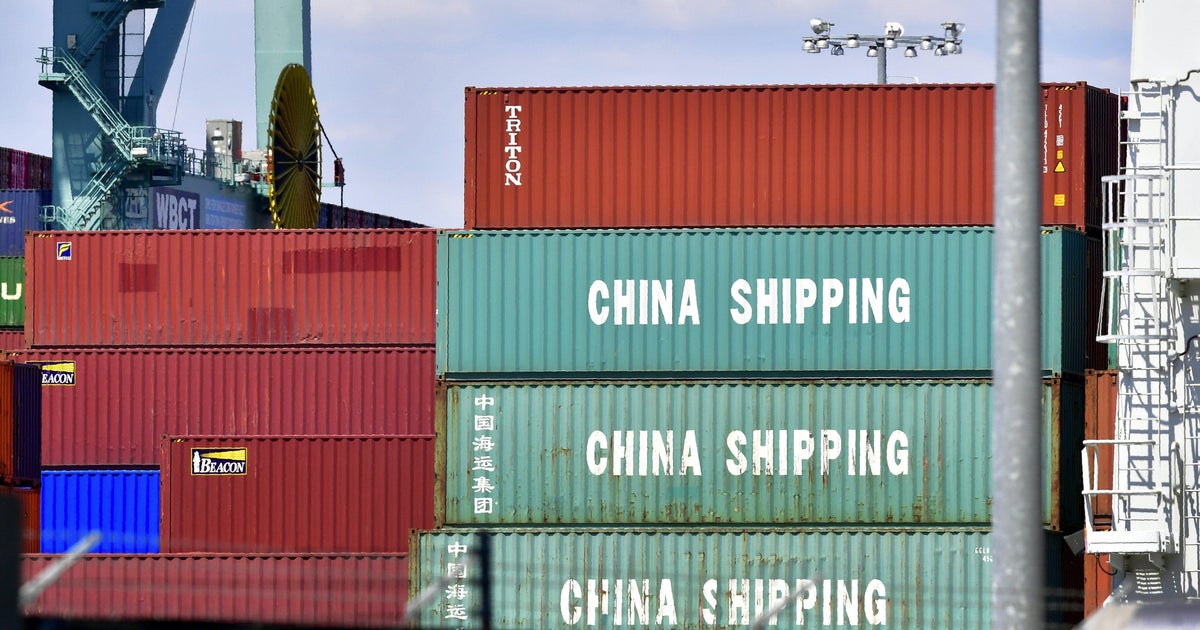
Unpacking Tariffs: What You Need to Know in Today’s Economy
As global trade tensions escalate and supply chains evolve, tariffs have become a pivotal yet polarizing tool in economic policy. Governments worldwide impose these taxes on imports to protect domestic industries, but consumers and businesses often bear the brunt of higher costs. This article examines how tariffs reshape markets, influence inflation, and spark geopolitical debates—offering clarity on their far-reaching consequences.
The Basics: How Tariffs Work and Why They Matter
Tariffs are taxes levied on imported goods, typically calculated as a percentage of the product’s value. They serve dual purposes: shielding local industries from foreign competition and generating government revenue. For example, the U.S. collected $85 billion in tariffs in 2022, up from $33 billion in 2016, according to the Congressional Budget Office.
However, tariffs often trigger a domino effect. “When imports become more expensive, domestic producers may raise prices too, knowing consumers have fewer alternatives,” explains Dr. Elena Ruiz, a trade economist at the Brookings Institution. This phenomenon, known as pass-through inflation, has been evident in sectors like steel and automotive manufacturing.
The Economic Impact: Winners and Losers
While tariffs aim to bolster domestic employment, their outcomes are uneven. A 2023 study by the Peterson Institute for International Economics found that U.S. tariffs on Chinese goods saved 1,700 jobs in the steel industry but cost consumers $900,000 per job annually in higher prices.
- Pros: Protects strategic industries (e.g., semiconductors), reduces reliance on geopolitical rivals.
- Cons: Raises production costs, invites retaliatory measures, and disrupts global supply chains.
Small businesses face particular challenges. “Tariffs on raw materials force us to choose between absorbing costs or losing customers,” says Javier Méndez, owner of a bicycle manufacturing startup in Texas. Meanwhile, large corporations with overseas facilities often sidestep tariffs by shifting production.
Global Perspectives: Tariffs as a Geopolitical Tool
Beyond economics, tariffs reflect geopolitical strategies. The U.S.-China trade war saw tariffs peak at 25% on $550 billion of goods, accelerating decoupling efforts. Similarly, the EU’s Carbon Border Adjustment Mechanism (CBAM) uses tariffs to enforce climate policies, penalizing imports with high carbon footprints.
Critics argue such measures risk fragmentation. “Trade wars have no winners—only varying degrees of losers,” warns former WTO Director-General Pascal Lamy. Yet proponents, like U.S. Trade Representative Katherine Tai, contend tariffs are “necessary to correct unfair practices like dumping and intellectual property theft.”
What’s Next? The Future of Tariffs in a Shifting Landscape
With rising nationalism and climate imperatives, tariffs will likely remain contentious. The Biden administration’s 2024 review of Section 301 tariffs could reshape U.S.-China relations, while developing nations push for exemptions to aid their growth.
For businesses, adaptability is key. Diversifying suppliers, investing in tariff-exempt technologies, or lobbying for exemptions are viable strategies. Consumers, meanwhile, should brace for sustained price volatility in affected sectors.
Call to Action: Stay informed on trade policy updates by subscribing to your local chamber of commerce newsletter or following agencies like the International Trade Administration. In today’s interconnected economy, knowledge is your best defense against uncertainty.
See more CCTV News Daily