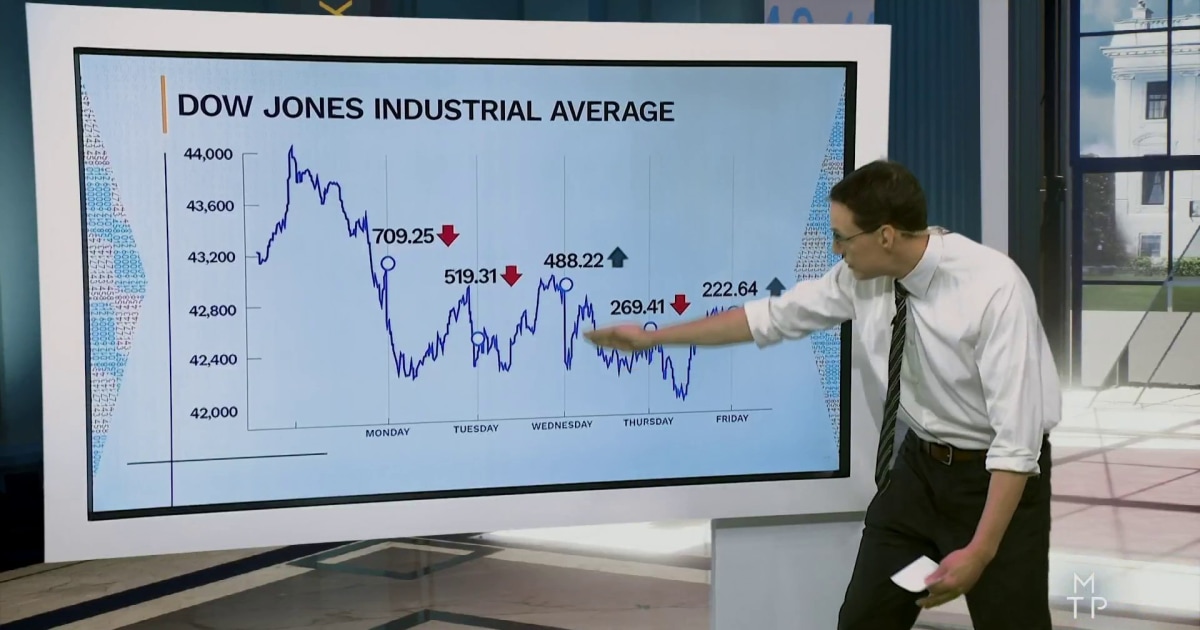
Unraveling the Economic Impact: Trump’s Tariff Twists and Turns
In the realm of international trade, few topics have generated as much debate and discussion as President Trump’s fluctuating tariff policies. These tariff twists and turns have not only influenced the U.S. economy but have also created ripples across global markets. As businesses and consumers navigate this ever-evolving landscape, it becomes essential to dissect the implications of these policies to understand their broader economic impact.
The Rationale Behind Tariffs
Tariffs, essentially taxes imposed on imported goods, are intended to protect domestic industries from foreign competition. During Trump’s administration, tariffs were viewed as a tool to bring back manufacturing jobs to the United States, particularly in sectors like steel and aluminum. The administration argued that by imposing tariffs, American businesses would be encouraged to produce domestically rather than relying on imports.
However, the application of these tariffs was not straightforward. The Trump administration’s approach was characterized by:
- Targeted Tariffs: Specific sectors, such as steel and aluminum, saw significant tariffs, ostensibly to protect American jobs.
- Retaliatory Measures: Many countries retaliated with their own tariffs, leading to a tit-for-tat scenario that escalated trade tensions.
- Uncertainty: The ever-changing nature of these policies created an unpredictable environment for businesses, making long-term planning challenging.
The Economic Ripple Effect
The economic impact of Trump’s tariffs has been profound, influencing various facets of the economy. Here are some key areas affected:
1. Consumer Prices
The immediate effect of tariffs is often an increase in consumer prices. When tariffs are imposed on imported goods, companies facing higher costs typically pass these expenses onto consumers. For example:
- Increased Costs: Electronics, clothing, and other consumer goods that rely on imported components saw price hikes.
- Inflationary Pressures: The cumulative effect of higher prices contributed to rising inflation rates, affecting household budgets.
2. Impact on Businesses
For businesses, the fluctuating tariff landscape has presented both challenges and opportunities. The following points illustrate this dynamic:
- Supply Chain Disruptions: Many companies rely on global supply chains; tariffs disrupted these networks, leading to increased costs and delays.
- Reshoring Efforts: Some firms opted to bring manufacturing back to the U.S. in response to tariffs, creating jobs domestically.
- Market Uncertainty: Businesses faced difficulty in making investment decisions due to the unpredictable tariff environment.
3. Trade Relations
Trump’s tariffs strained relationships with several key trading partners. Countries like China, Canada, and Mexico retaliated with their own tariffs, leading to:
- Trade Wars: These retaliatory measures escalated tensions and complicated negotiations.
- Long-Term Partnerships: The uncertainty resulted in businesses reconsidering their international partnerships and supply chains.
The Global Perspective
The economic impact of Trump’s tariff policies extends beyond U.S. borders. Global markets reacted swiftly to the changes in U.S. trade policy. For instance:
- Emerging Markets: Countries that relied on exports to the U.S. faced economic challenges as tariffs made their goods less competitive.
- International Alliances: The tariffs prompted discussions about new trade alliances, with countries seeking to strengthen ties among themselves to counterbalance U.S. policies.
Long-Term Implications
As we assess the long-term implications of Trump’s tariff twists and turns, several factors come to the forefront:
1. Economic Growth
While the administration touted job creation in specific sectors, the overall impact on economic growth remains debated. The complexities of the global economy mean that:
- Sectoral Gains vs. Losses: Gains in manufacturing may have been offset by losses in other sectors, such as agriculture.
- Productivity Challenges: Disrupted supply chains may hinder productivity and innovation in the long run.
2. Consumer Behavior
The lasting effects of tariffs on consumer behavior are also noteworthy. As consumers adapt to new pricing realities, their spending patterns may shift:
- Increased Demand for Domestic Products: There may be a greater willingness to support local businesses, benefiting U.S. manufacturers.
- Brand Loyalty: Consumers might become more discerning, prioritizing companies that align with their values regarding local production.
3. Future Trade Policies
The experience of Trump’s administration may shape future trade policies. Lessons learned from the tariff approach could inform how subsequent administrations address trade:
- Negotiated Trade Agreements: Future leaders may focus on crafting more comprehensive trade agreements to avoid the pitfalls of unilateral tariffs.
- Focus on Collaboration: A collaborative approach may emerge, emphasizing partnerships rather than punitive measures.
Conclusion
As we unravel the economic impact of Trump’s tariff twists and turns, it’s clear that these policies have created a multifaceted landscape for businesses and consumers alike. While some sectors may have benefited, the broader implications reveal a complex interplay of price changes, supply chain disruptions, and shifts in global trade dynamics. Moving forward, understanding these nuances will be essential for navigating the ever-changing world of international trade.
Ultimately, as the economy adapts to these challenges, there lies an opportunity for innovation and resilience. Businesses and consumers must remain agile, ready to embrace the changes that lie ahead in a global economy shaped by both past decisions and future aspirations.
See more CCTV News Daily