Unpacking Trump’s Tariffs: An Overview
As President Trump’s tariffs take effect, consumers are left wondering how these trade policies will impact their grocery budgets. Understanding the implications of these tariffs is crucial as they can lead to noticeable increases in grocery prices across a variety of items. This article aims to delve into the specific products likely affected by these tariffs, explore the reasoning behind them, and discuss the broader implications for shoppers navigating their grocery bills.
What Are Trump’s Tariffs?
Tariffs are taxes imposed on imported goods. They are designed to protect domestic industries by making foreign products more expensive, thereby encouraging consumers to buy domestically produced items. Trump’s tariffs, particularly those on steel and aluminum, were part of a broader trade strategy to renegotiate trade deals and reduce the trade deficit. While these intentions may resonate with some, they can have direct consequences on everyday consumers—especially at the grocery store.
Key Items Affected by Tariffs
With tariffs in place, various grocery items are likely to see price hikes. Here’s a closer look at some common grocery staples that could be affected:
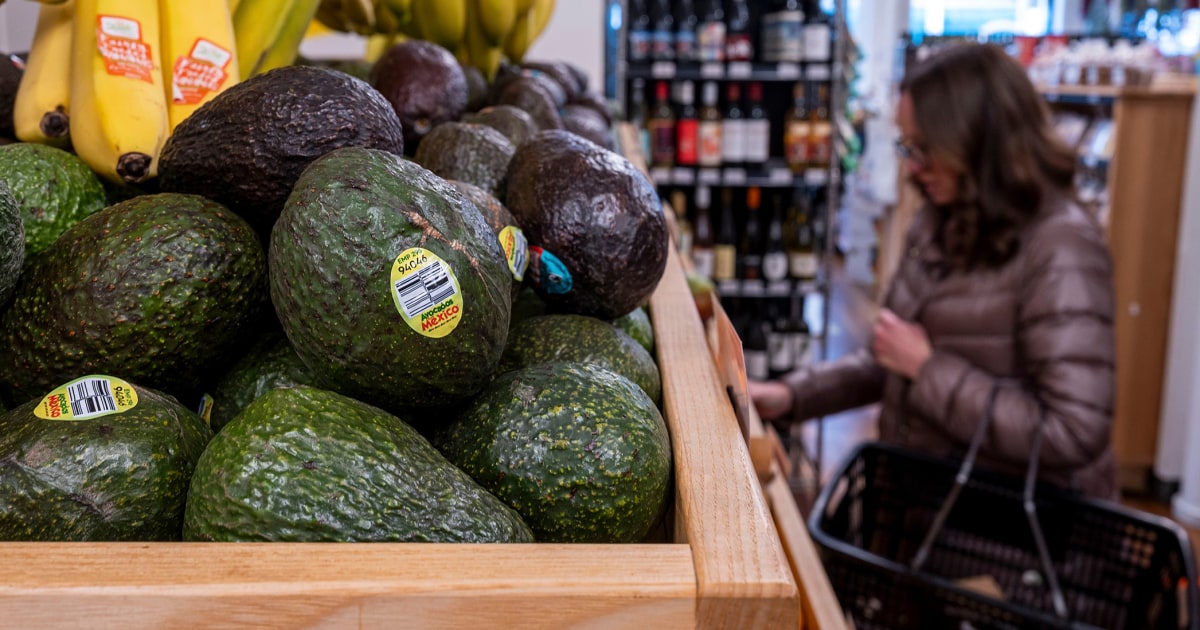
- Avocados: The U.S. imports a significant portion of its avocados from Mexico. Tariffs on imports could lead to increased prices for this popular fruit.
- Frozen Fish: Seafood imports are also susceptible to tariffs, impacting the prices of frozen fish and other seafood products.
- Canned Goods: Many canned goods, particularly those that use imported ingredients or packaging, may see price increases due to tariffs on metals and raw materials.
- Dairy Products: Tariffs on milk and cheese imports could affect the prices of these staples, especially in regions that rely on international suppliers.
- Beef and Pork: Livestock farmers may face challenges with feed costs rising due to tariffs on grain imports, indirectly affecting meat prices.
The Ripple Effect of Tariffs on Grocery Prices
While the direct impact of tariffs is often seen in the price of imported goods, the ripple effect can influence the entire supply chain. For instance, if a tariff raises the cost of raw materials, producers may pass those costs onto consumers. Here are some ways tariffs can affect grocery bills:
- Higher Production Costs: Manufacturers facing increased costs may raise their prices to maintain profit margins.
- Logistical Challenges: Tariffs can complicate supply chains, leading to delays and increased shipping costs, further driving up prices.
- Market Volatility: Uncertainty in trade policies can lead to volatility in markets, causing fluctuations in prices that consumers will ultimately feel.
Broader Implications for Shoppers
The immediate impact on grocery bills is just one facet of how tariffs influence consumers. The broader implications can be profound:
- Change in Shopping Habits: If prices rise significantly, consumers may adjust their shopping habits, opting for cheaper alternatives or buying in bulk to save money.
- Support for Local Farmers: Increased prices on imported goods might encourage consumers to support local farmers and products, potentially benefiting local economies.
- Inflationary Pressures: As grocery bills rise, this can contribute to overall inflation, affecting everything from rent to gas prices.
How to Mitigate the Impact of Tariffs on Your Grocery Bill
While the effects of tariffs on grocery prices might feel overwhelming, there are strategies consumers can adopt to mitigate their impact:
- Buy Seasonal Produce: Seasonal fruits and vegetables are typically cheaper and fresher. By focusing on what’s in season, you can save money and support local agriculture.
- Shop Sales and Use Coupons: Keeping an eye on sales and using coupons can help offset higher prices on certain items.
- Consider Bulk Purchases: Buying in bulk can save money in the long run, especially for non-perishable items.
- Explore Alternatives: If certain products are too expensive, consider alternatives. For example, if avocados are pricey, look for other healthy fats like nuts or seeds.
The Role of Consumer Awareness
Being aware of how tariffs influence prices can empower consumers. Understanding the origins of food products and their prices helps shoppers make informed choices. Here are some tips for staying informed:
- Follow Market Trends: Keeping an eye on agricultural reports and market trends can provide insight into which items may see price increases.
- Support Advocacy Groups: Engaging with consumer advocacy groups can help raise awareness about the effects of tariffs and encourage more favorable trade policies.
- Educate Yourself: Understanding the basics of tariffs and trade policies can help consumers make sense of pricing changes in the grocery aisle.
The Optimistic Outlook
While the immediate effects of Trump’s tariffs on grocery bills may be daunting, it’s essential to recognize that markets can adapt over time. Economies evolve, and businesses often innovate to deal with new challenges. For instance, if tariffs on imports lead to price increases, it may also lead to innovations in domestic agriculture and food production, ultimately benefiting consumers in the long run.
In conclusion, as tariffs take effect, consumers must stay informed and adaptable. Understanding how these policies affect grocery prices provides the tools necessary to navigate changing costs effectively. By making informed choices and supporting local markets, shoppers can mitigate the impact of tariffs on their grocery bills while contributing to a more resilient local economy.
See more CCTV News Daily