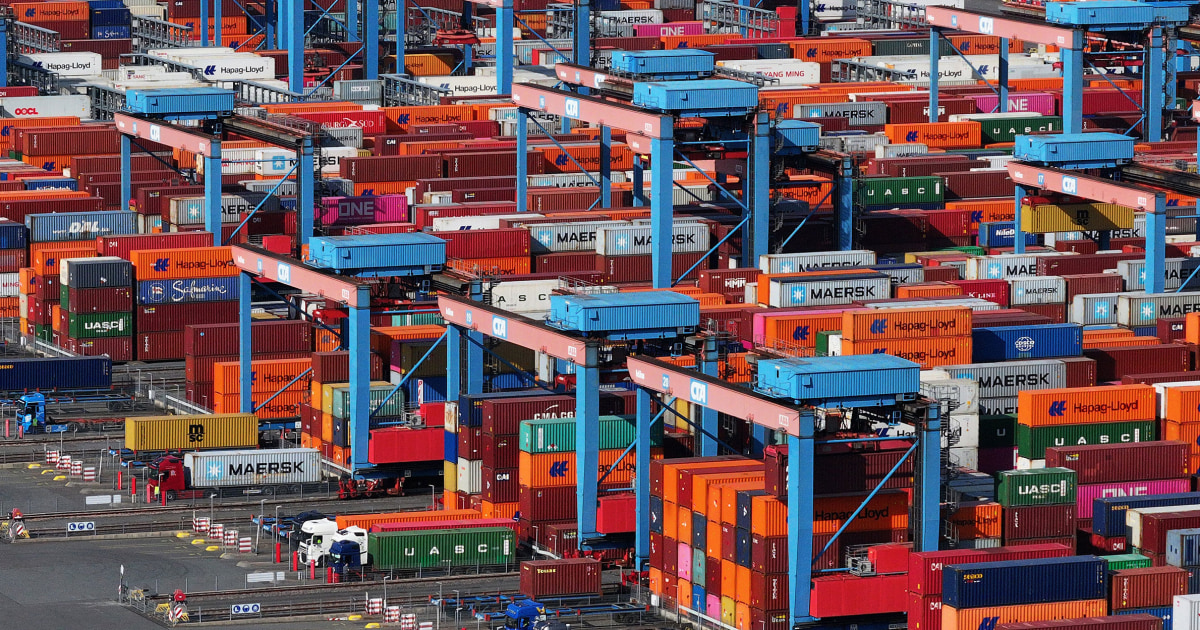
Tariff Impact: How CBP Revenue Falls Short of Projections
The latest Customs and Border Protection (CBP) data reveals that recent tariffs generated just $500 million—far below the Trump administration’s projections. The shortfall, reported this month, highlights potential flaws in trade policy assumptions and sparks debate among economists, policymakers, and industry leaders about the effectiveness of tariffs as economic tools.
Discrepancy Between Projections and Reality
When the Trump administration implemented sweeping tariffs on Chinese goods in 2018-2019, officials projected annual revenues exceeding $40 billion. The current CBP figures represent less than 1.25% of those estimates. Analysts attribute the gap to multiple factors:
- Supply chain diversification reducing dependency on Chinese imports
- Increased use of tariff exclusions by importers
- Lower-than-expected import volumes in targeted categories
“These numbers confirm what many trade experts predicted,” says Dr. Evelyn Cho, senior fellow at the Peterson Institute for International Economics. “Tariffs often create more economic distortion than revenue, especially when global supply chains adapt quickly.”
Economic Ripple Effects Emerge
The tariff shortfall coincides with broader economic consequences. A 2023 International Trade Commission report found:
- U.S. manufacturers faced $68 billion in additional costs from tariff-related inputs
- Consumer prices rose 0.5% annually in affected categories
- Retaliatory tariffs reduced agricultural exports by $27 billion since 2018
However, some industry groups maintain support for targeted tariffs. “While the revenue figures disappoint, tariffs remain essential for protecting critical industries like steel and semiconductors from unfair competition,” argues National Manufacturers Association spokesperson Robert Tilden.
Policy Implications and Industry Reactions
The CBP data arrives as the Biden administration reviews existing tariff policies. Commerce Department officials face competing pressures:
- Labor unions demand maintaining protections for domestic jobs
- Retail associations push for wholesale reductions to ease consumer costs
- National security advisors advocate strategic tariffs on key technologies
Global Trade Patterns Shift
Trade data reveals significant supply chain realignment since 2018:
| Year | Chinese Import Share | ASEAN Import Growth |
|---|---|---|
| 2017 | 21.6% | +3.2% |
| 2023 | 16.5% | +18.7% |
“The tariffs accelerated existing diversification trends,” notes global trade analyst Maria Chen. “Many companies had already been looking to reduce China dependence—the trade policies just sped up timelines.”
Future Outlook for Trade Policy
As policymakers reassess strategies, several scenarios could emerge:
- Targeted adjustments: Sector-specific modifications rather than blanket changes
- Multilateral approaches: Increased coordination with allies on trade remedies
- Alternative measures: Greater emphasis on subsidies and domestic investment
Former USTR negotiator James Wilkinson cautions: “The tariff debate often focuses on revenue or protectionism, but we should evaluate these policies through multiple lenses—economic efficiency, geopolitical strategy, and long-term competitiveness.”
Call to Action: Stay Informed on Trade Developments
As trade policy evolves, businesses and consumers should monitor CBP data releases and congressional hearings. The House Ways and Means Committee has scheduled tariff policy reviews for Q3 2023, which may clarify future directions. Subscribe to trade bulletin updates from the International Trade Administration for official notifications.
The tariff revenue shortfall underscores the complexity of modern trade policy. While projections often rely on static models, global commerce remains dynamic—responding to policy changes with unexpected speed and creativity. This reality suggests future trade measures may require more nuanced designs that account for adaptive supply chains and competing economic priorities.
See more CCTV News Daily