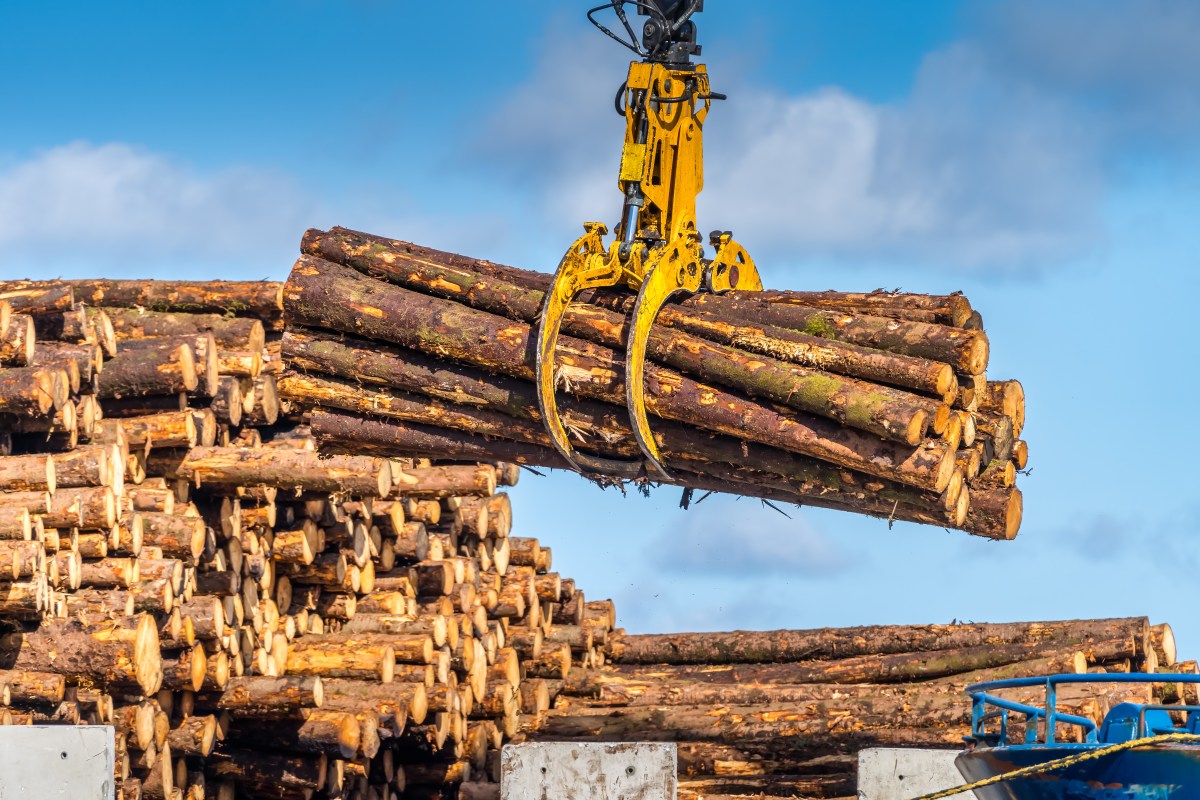
Tariffs Threaten to Elevate Costs for Timber and Construction Materials
As new tariffs loom on the horizon, the construction industry is preparing for a potential surge in prices for timber and essential materials. Experts warn that these increases could have widespread implications for housing and infrastructure projects, impacting everything from homebuyers to large-scale developers. Understanding the ramifications of these tariffs is crucial for stakeholders across the construction sector.
The Current Landscape of Tariffs
Recently, the construction industry has been rocked by the announcement of impending tariffs aimed at imported timber and other construction materials. These tariffs are a part of broader trade policies aimed at promoting domestic production but come with significant consequences for the economy.
For instance, tariffs on softwood lumber, which is a key component in residential construction, have fluctuated drastically over the past few years. As of late 2023, the U.S. government has proposed additional tariffs that could increase costs by as much as 20% or more. Such increases could severely impact the price of homes, which are already under pressure from previous price hikes and a shortage of affordable housing.
Impact on Housing Market
The housing market is particularly sensitive to fluctuations in material costs. When tariffs threaten to elevate costs for timber and construction materials, potential buyers may find themselves priced out of the market. The National Association of Home Builders (NAHB) estimates that rising lumber prices alone could add over $18,600 to the price of a new single-family home.
- Increased Home Prices: With higher costs for timber, builders will likely pass these expenses onto consumers, leading to increased home prices.
- Stalled Projects: Many developers may delay new projects or renovations, waiting for material costs to stabilize, which could further exacerbate the housing shortage.
- Reduced Affordability: As prices rise, first-time homebuyers may find it increasingly difficult to enter the market, perpetuating the cycle of unaffordability.
Broader Economic Effects
The potential rise in construction material costs due to tariffs isn’t just a housing issue; it has broader economic implications. The construction industry is a significant contributor to the U.S. economy, accounting for approximately 4.1% of GDP. When construction costs rise, it can lead to a slowdown in economic growth. Here are some of the potential broader impacts:
- Job Losses: Increased costs may lead to project cancellations or downsizing, resulting in job losses within the construction sector.
- Supply Chain Disruptions: Tariffs can create uncertainty, leading to disruptions in the supply chain as companies scramble to find alternative sources for materials.
- Inflationary Pressures: Rising construction costs can contribute to overall inflation, impacting consumer prices across various sectors.
Strategies for Mitigating Cost Increases
While the looming tariffs present challenges, there are strategies that stakeholders in the construction industry can consider to mitigate the impact of rising material costs:
- Diversification of Suppliers: Builders and contractors should explore alternative suppliers and materials to reduce reliance on affected imports.
- Investing in Technology: Utilizing advanced construction techniques and materials can help reduce waste and improve efficiency, offsetting some of the cost increases.
- Long-term Contracts: Securing long-term agreements with suppliers at fixed prices can provide some stability in an unpredictable market.
The Role of Government Policy
Government policies play a crucial role in shaping the construction landscape. As tariffs threaten to elevate costs for timber and construction materials, it is essential for policymakers to consider the long-term effects on the economy and housing market. Engaging in negotiations to reduce tariffs or incentivize domestic production without imposing excessive costs could be one approach.
Moreover, providing support for affordable housing initiatives can help cushion the blow of rising material costs. Programs that encourage the use of sustainable materials or innovative building practices can also pave the way for a more resilient construction industry.
Looking Ahead: Optimism Amid Challenges
While the prospect of elevated costs for timber and construction materials due to tariffs presents significant challenges, there is room for optimism. The construction industry has historically demonstrated resilience in the face of economic adversity. By adapting to changing conditions and embracing new approaches, stakeholders can navigate these turbulent waters.
Moreover, as the demand for housing continues to rise, it may prompt a renewed focus on sustainable building practices and innovative construction methods that could mitigate some of the economic pressures associated with tariffs. The construction sector stands at a crossroads, and while challenges abound, the potential for growth and adaptation is equally strong.
Conclusion
In conclusion, tariffs threaten to elevate costs for timber and construction materials, with significant implications for the housing market and broader economy. As stakeholders prepare for these challenges, understanding the potential impacts and exploring strategies for mitigation will be key. Collaboration among industry leaders, government officials, and community advocates can help ensure that the construction sector remains robust and capable of meeting the needs of a growing population.
As we move forward, it is crucial to monitor developments in trade policies and their effects on the construction industry. By staying informed and proactive, stakeholders can work together to navigate the complexities of this evolving landscape.
See more CCTV News Daily