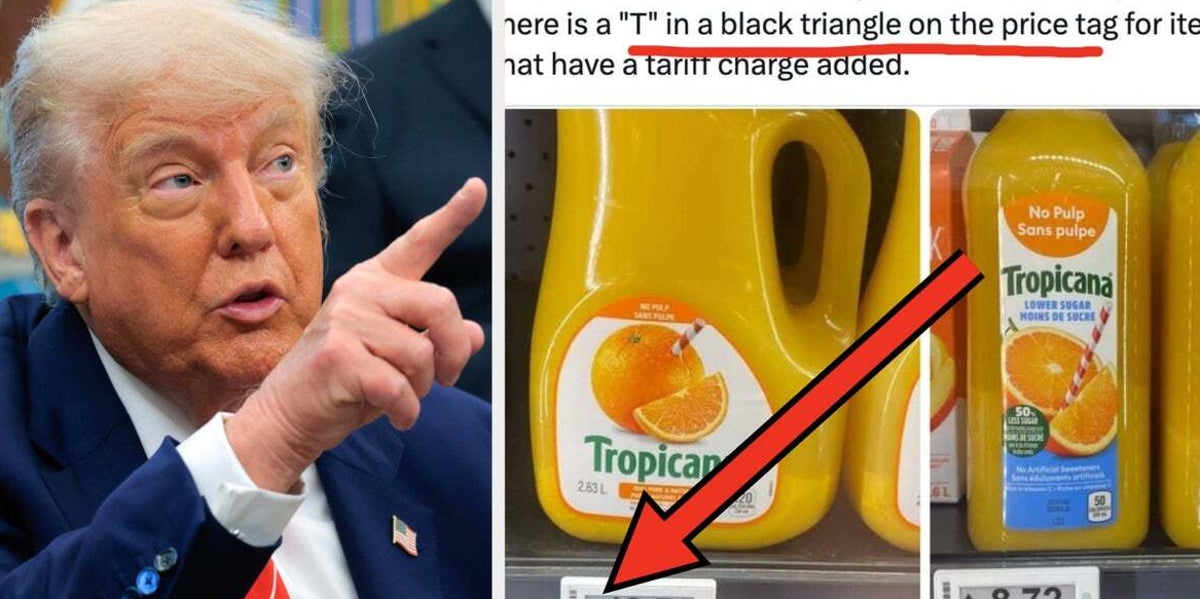
Unpacking the Impact: How New Tariffs Are Reshaping Your Wallet
Consumers across the U.S. are feeling the pinch as new tariffs on imported goods drive up prices on everyday items—from electronics to groceries. Implemented over the past six months, these trade policies aim to protect domestic industries but are sparking concerns about inflation and household budgets. Experts warn the financial ripple effects could linger for years, reshaping spending habits and economic stability.
The Rising Cost of Everyday Goods
Since the Biden administration announced tariffs on $18 billion worth of Chinese imports in May 2024—including steel, aluminum, and electric vehicles—retail prices have climbed steadily. A recent analysis by the Peterson Institute for International Economics found that tariffs add an average of 3-5% to affected products. For example:
- Electronics: Laptops and smartphones saw a 4.2% price hike in Q2 2024.
- Groceries: Canned goods and cooking oils rose by 6.1% due to higher aluminum and soybean oil costs.
- Auto parts: Replacement tires and batteries jumped 7.3%, straining car owners.
“Tariffs act as a hidden tax on consumers,” says Dr. Laura Chen, an economist at the Brookings Institution. “While they may bolster certain sectors, the immediate burden falls on households already grappling with inflation.”
Broader Economic Implications
The tariffs are part of a broader strategy to reduce reliance on foreign manufacturing, but critics argue they risk triggering trade wars. China retaliated with duties on U.S. agricultural exports, hurting farmers. Meanwhile, the Federal Reserve reports core inflation edged up to 3.8% in June, complicating interest rate decisions.
Proponents, however, highlight job growth in domestic industries. “These measures are essential for long-term competitiveness,” asserts Mark Reynolds of the Alliance for American Manufacturing. “Short-term pain is inevitable, but reshoring production will pay off.”
Consumers Fight Back With Receipts
Frustrated shoppers are flooding social media with side-by-side receipts showing price spikes. A viral TikTok trend, #TariffTax, compares 2023 and 2024 totals for identical baskets of goods. One user posted a $28 increase on a week’s groceries—a 12% leap—sparking widespread outrage.
Small businesses are also struggling. “Our margins are vanishing,” says Priya Patel, owner of a Brooklyn hardware store. “Suppliers pass tariff costs to us, but raising prices drives customers away.”
What’s Next for Your Budget?
Economists predict tariffs could add $1,200 annually to the average household’s expenses if trends continue. To mitigate the impact, experts recommend:
- Prioritizing essentials: Track price fluctuations and buy in bulk during sales.
- Exploring alternatives: Opt for locally made products unaffected by import duties.
- Advocating for policy changes: Contact representatives to voice concerns.
As trade tensions escalate, the full economic fallout remains uncertain. For now, consumers are left navigating a costlier marketplace—one receipt at a time.
Stay informed about policy changes affecting your finances. Subscribe to our newsletter for real-time updates and money-saving tips.
See more CCTV News Daily