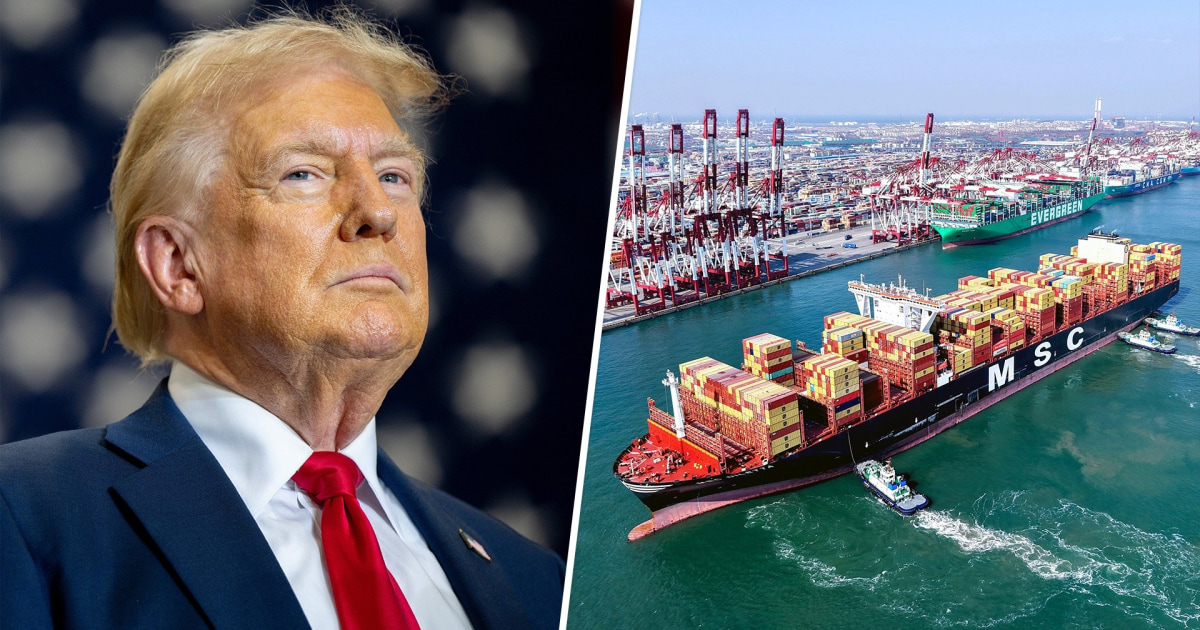
Unpacking the Impact: How Trump’s Tariffs Will Reshape Prices Across the Nation
The implementation of Trump’s tariffs has sent ripples through the economy, causing consumers to brace for rising prices on a broad spectrum of goods. As these tariffs officially take effect, it becomes essential to dissect which products will be affected and to explore the broader implications for the economy. Understanding the complexities behind these tariffs can help consumers, businesses, and policymakers navigate the shifting landscape of pricing and economic stability.
Understanding Trump’s Tariffs
Tariffs, essentially taxes imposed on imported goods, are designed to protect domestic industries from foreign competition by making imported products more expensive. Trump’s administration has championed tariffs as a means to boost American manufacturing and create jobs. However, the immediate effect is often a rise in prices for consumers, as businesses pass on these costs.
The tariffs primarily target a variety of products, including steel, aluminum, and a range of consumer goods originating from countries like China. The goal is to incentivize consumers to buy American-made products, but the effects are multifaceted, impacting everything from the cost of living to international trade relations.
Products Most Affected by Trump’s Tariffs
As Trump’s tariffs are enforced, several categories of products are poised to experience price hikes:
- Electronics: Many electronics, including smartphones, laptops, and televisions, rely heavily on components manufactured overseas. The tariffs on electronics can lead to increased prices for consumers as manufacturers adjust to the new costs.
- Automobiles: Tariffs on imported cars and parts can raise prices for consumers. Automakers might pass these costs onto customers, leading to higher purchase prices for new vehicles.
- Household Goods: Items such as furniture, appliances, and even clothing made overseas are also affected. Expect price increases across these essential categories, which could impact household budgets significantly.
- Food Products: Tariffs on agricultural products can lead to higher prices for imported foods. This trend may not only affect grocery bills but also impact food supply chains.
The question looms: will consumers be willing to pay more for American products, or will they seek cheaper alternatives from abroad, risking a backlash against local industries?
The Broader Economic Implications
Beyond individual products, Trump’s tariffs carry broader implications for the economy. Here are a few critical areas to consider:
Inflationary Pressures
As prices rise due to tariffs, inflation could become a concern. Economists argue that increased consumer prices might lead to reduced spending, which could slow down economic growth. A decrease in consumer spending could further complicate the economic landscape, leading to a potential recession.
Impact on Small Businesses
Small businesses, which often rely on imported goods for their inventory, may face challenges in passing on costs to consumers without losing sales. Increased prices could deter customers, forcing small businesses to either absorb the costs or risk going under. This scenario may lead to job losses and reduced economic vitality in local communities.
Trade Relations and Retaliation
Trump’s tariffs have sparked tensions with trading partners, leading to retaliatory tariffs. Countries affected by these tariffs may impose their own taxes on American goods, further complicating trade relations. This tit-for-tat scenario could hinder exports, affecting American farmers and manufacturers who rely on foreign markets.
Consumer Reaction and Adaptation
It’s crucial to understand how consumers are likely to react to rising prices. Historically, when faced with increased costs, consumers have two primary options: they can either adjust their purchasing habits or seek out alternative products. Here are some potential consumer reactions:
- Shifting Preferences: Consumers may shift their preferences toward locally produced items or seek out sales and discounts to mitigate the impact of rising prices.
- Increased Scrutiny: With rising costs, consumers may become more discerning about their spending, prioritizing essential goods and forgoing non-essential items.
- Advocacy for Change: Increased prices may lead consumers to advocate for policy changes, pressuring legislators to reconsider tariffs and explore more balanced trade agreements.
Strategies for Consumers and Businesses
In light of these changes, both consumers and businesses can adopt strategies to navigate the new economic landscape:
For Consumers:
- Budgeting Wisely: Reassessing budgets to account for rising prices can help consumers manage their finances better.
- Supporting Local Businesses: Engaging with and supporting local businesses may help mitigate some impacts of tariffs while boosting the local economy.
- Staying Informed: Keeping abreast of changing prices and market trends can empower consumers to make informed purchasing decisions.
For Businesses:
- Cost Management: Businesses should explore ways to manage costs without sacrificing quality, such as optimizing supply chains or negotiating better terms with suppliers.
- Diverse Sourcing: Diversifying supply chains to include both domestic and international sources can help mitigate risks associated with tariffs.
- Communicating Value: Clearly communicating the value of products and the rationale behind price increases can help retain customer loyalty.
Conclusion
As Trump’s tariffs officially reshape prices across the nation, the landscape of consumer goods is set to change dramatically. While the intention behind these tariffs is to boost American manufacturing and protect domestic industries, the immediate impact on prices and the broader economic implications cannot be ignored. Understanding the nuances of this situation empowers consumers and businesses alike to adapt and thrive amid uncertainty. By staying informed and making strategic decisions, individuals and organizations can navigate this evolving economic environment more effectively, ensuring resilience in the face of rising prices.
See more CCTV News Daily