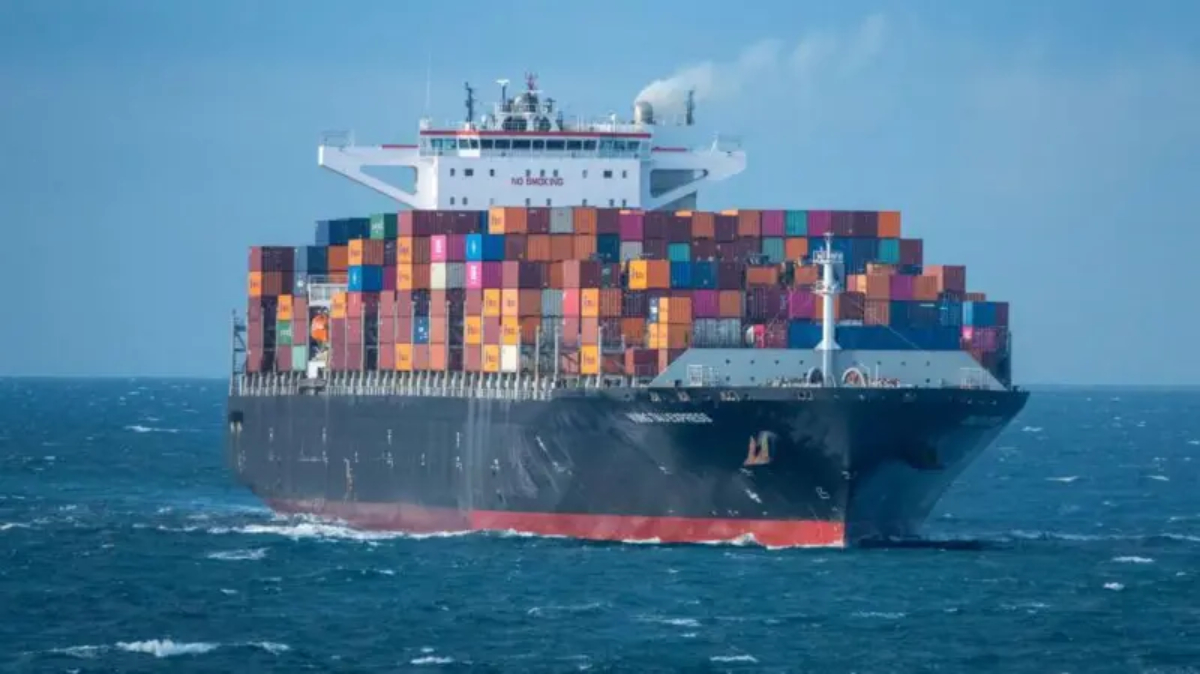
The Looming Threat: How Trump’s Tariffs Could Disrupt Decades of Free Trade
As the global economy continues to evolve, Trump’s tariff policies may pose a significant challenge to the free trade era established after World War II. The introduction of tariffs has not only raised eyebrows but also ignited a heated debate among economists, policymakers, and business leaders alike. This article delves into the potential ramifications and shifts in international trade dynamics that could arise from these economic decisions, painting a comprehensive picture of the looming threat posed by tariffs.
Understanding the Roots of Tariff Policies
Tariffs, essentially taxes imposed on imported goods, are designed to protect domestic industries by making foreign products more expensive. They can serve several purposes, including:
- Protecting local jobs: By making imports pricier, tariffs aim to encourage consumers to purchase domestically produced goods.
- Generating revenue: Tariffs can serve as a source of income for governments.
- Addressing trade imbalances: Tariffs can be used as a tool to rectify perceived unfair trade practices.
During his administration, Donald Trump adopted a bold approach to tariffs, particularly targeting countries like China, Mexico, and Canada. This strategy was rooted in a desire to revive American manufacturing and combat what he termed “unfair trade practices.” However, the implications of such a shift extend far beyond American borders, potentially disrupting decades of established free trade agreements.
The Impact on Global Trade Dynamics
The imposition of tariffs represents a significant deviation from the principles of free trade that have governed international commerce since the mid-20th century. The free trade era was characterized by agreements like the General Agreement on Tariffs and Trade (GATT) and its successor, the World Trade Organization (WTO), which sought to reduce trade barriers globally.
Trump’s tariffs have led to retaliatory measures from affected countries, resulting in a tit-for-tat escalation that has strained international relations and complicated trade dynamics. For instance, when the U.S. imposed tariffs on steel and aluminum imports, countries like Canada and the European Union responded with their own tariffs on American goods. This escalation not only affects the targeted industries but also creates uncertainty in global supply chains, prompting businesses to reconsider their sourcing strategies.
The Economic Ramifications for the United States
The economic ramifications of Trump’s tariffs for the U.S. economy are multifaceted. While the intention behind tariffs might be to protect American jobs, the reality is often more complex. Here are some potential consequences:
- Increased consumer prices: Tariffs often lead to higher prices for consumers, as companies pass on the costs of imported goods to their customers. This could lead to inflationary pressures in the economy.
- Job losses in certain sectors: While some industries may benefit from tariffs, others, particularly those reliant on global supply chains, may face job losses due to increased production costs.
- Retaliation and trade wars: Escalating tariffs can lead to wider trade wars, potentially harming American exports and exacerbating trade deficits.
For example, farmers in the Midwest have experienced significant challenges as key markets for their products, like China, have responded to tariffs with their own countermeasures. This has forced many to seek alternative markets or suffer financial losses.
The Global Perspective: Effects Beyond U.S. Borders
While the focus is often on the U.S. economy, the ramifications of Trump’s tariffs extend globally, impacting emerging and developed economies alike. Countries that rely heavily on exports to the U.S. may find themselves grappling with reduced demand, leading to economic slowdowns. Additionally, economies that are interconnected with the U.S. through supply chains may experience disruptions that hinder growth.
Moreover, the rise of protectionism could lead to a fragmentation of the global trading system. Countries may seek to form regional trade blocs or pursue bilateral agreements as they attempt to navigate the shifting landscape. This could result in a less cohesive global market, with varying standards and regulations complicating international trade.
As the world grapples with the implications of tariffs, it is essential to explore alternatives that promote cooperation and mutual benefit. Some potential solutions include:
- Engaging in dialogue: Countries can work towards resolving trade disputes through diplomatic channels, focusing on mutual interests rather than unilateral actions.
- Investing in domestic industries: Rather than relying solely on tariffs, governments can invest in innovation and workforce development to boost competitiveness in the global market.
- Strengthening multilateral agreements: Reinforcing existing trade agreements and pursuing new ones can help create a more stable trading environment.
By prioritizing collaboration over confrontation, nations can work towards a more equitable and sustainable global trading system that benefits all parties involved.
Conclusion: The Path Forward
In conclusion, Trump’s tariffs present a looming threat to the decades of free trade that have shaped the global economy. While the motivations behind these policies may stem from a desire to protect American interests, the broader implications could lead to significant disruptions in international trade dynamics. As countries navigate this complex landscape, it is crucial to seek alternatives that promote cooperation and mutual benefit, ensuring that the global trading system remains robust and resilient.
In an interconnected world, the choices made today will reverberate for years to come. By fostering dialogue and collaboration, nations can work towards a future where trade serves as a tool for progress rather than a source of division.
See more CCTV News Daily