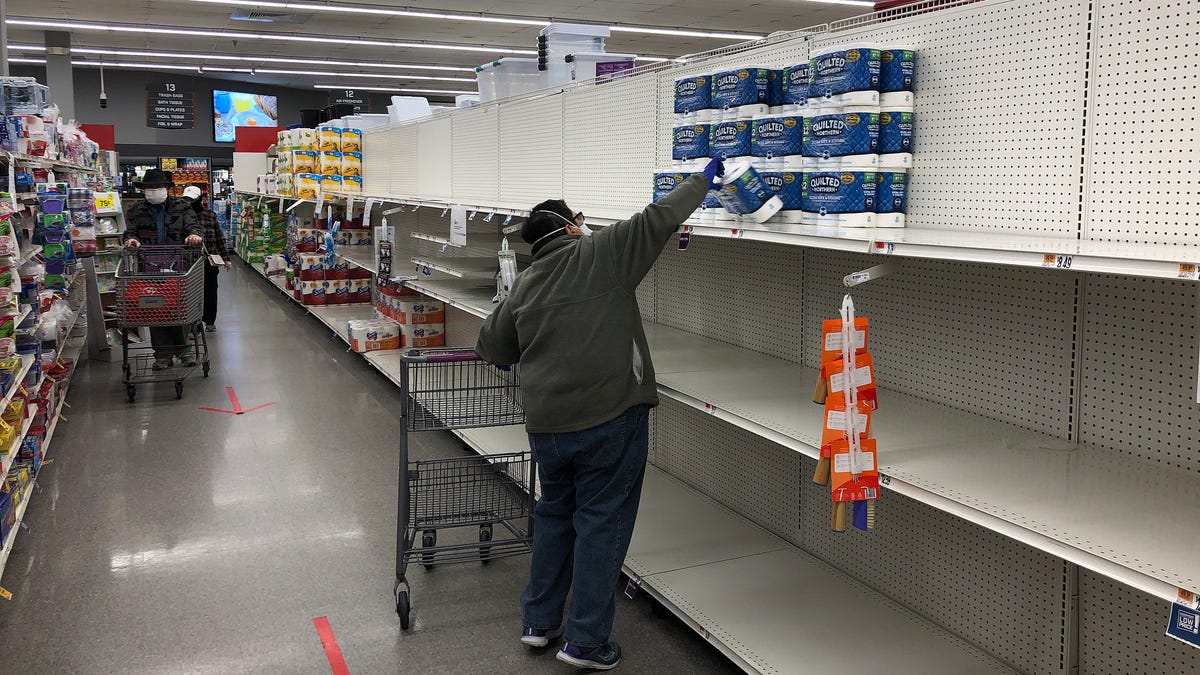
How Trump’s Tariffs Could Unravel the Toilet Paper Supply Chain
As the Trump administration considers new tariffs, industry experts are increasingly concerned about the potential disruptions in the toilet paper supply chain. With many households relying on this essential commodity, the ramifications of such tariffs could lead to increased prices and even scarcity for consumers. This article delves into the complexities of the toilet paper supply chain, the implications of tariffs, and the broader consequences for everyday goods.
The Toilet Paper Supply Chain: An Overview
Understanding how Trump’s tariffs could unravel the toilet paper supply chain requires a look at the journey of toilet paper from production to consumer. The supply chain consists of several key components:
- Raw Materials: The primary raw material for toilet paper is wood pulp, often sourced from various countries. The global nature of this market means that tariffs could impact prices significantly.
- Manufacturing: Once the pulp is procured, it undergoes processing in manufacturing plants, which are often located near major transportation hubs to minimize shipping costs.
- Distribution: After manufacturing, toilet paper is distributed to retailers and wholesalers, which adds another layer of complexity to the supply chain.
- Retail: Finally, consumers purchase toilet paper from local grocery stores, big-box retailers, or online platforms.
This intricate web is sensitive to changes in tariffs, which can affect each stage of the supply chain.
The Impact of Tariffs on Raw Materials
Trump’s tariffs could particularly impact the cost of raw materials used in toilet paper production. Many companies source wood pulp from international markets, and imposing tariffs on these imports would result in:
- Increased Costs: As tariffs raise the price of imported wood pulp, manufacturers may pass these costs onto consumers, leading to higher prices at the checkout.
- Supply Chain Diversification: Companies may seek alternative sources of raw materials. However, finding new suppliers can be time-consuming and costly, potentially causing delays in production.
- Quality Concerns: Sourcing cheaper or less familiar materials could impact the quality of toilet paper, thereby affecting consumer satisfaction.
The Manufacturing Dilemma
Manufacturers are at the heart of the toilet paper supply chain, and any disruption can have far-reaching implications. Here’s how tariffs could unravel this crucial segment:
- Production Costs: Higher material costs due to tariffs will likely lead manufacturers to adjust their production budgets. Some may reduce output or even shut down operations temporarily, exacerbating supply shortages.
- Job Security: If production declines, job security for workers in manufacturing plants may be at risk, creating economic uncertainty in communities reliant on these jobs.
- Investment in Technology: On the flip side, some manufacturers might invest in technology to reduce costs and improve efficiency. However, this requires a stable economic environment, which could be jeopardized by ongoing tariff uncertainties.
Distribution Challenges Ahead
The distribution of toilet paper is another area that could face significant challenges due to tariffs. Factors to consider include:
- Increased Transportation Costs: Tariffs may lead to increased fuel prices or shipping costs, further driving up the price of toilet paper as it moves from manufacturers to retailers.
- Logistical Delays: If manufacturers switch suppliers or production schedules change, distribution networks may experience delays, leading to empty shelves.
- Inventory Management: Retailers will need to adapt their inventory strategies to account for potential shortages, which may lead to panic buying among consumers.
Consumer Consequences: Price Increases and Scarcity
The ultimate impact of Trump’s tariffs on the toilet paper supply chain will be felt most acutely by consumers. Here’s what might happen:
- Price Increases: Experts predict that consumers could see a noticeable hike in toilet paper prices, similar to what occurred during the early days of the COVID-19 pandemic.
- Scarcity Issues: With disruptions in the supply chain, consumers may find it difficult to purchase toilet paper, leading to potential panic buying and hoarding behaviors.
- Shift in Consumer Behavior: As prices rise and availability fluctuates, consumers may start seeking alternatives, such as bidets or reusable cloth products, changing the toilet paper market landscape.
Broader Implications for Everyday Goods
While the focus on toilet paper is significant, the ramifications of Trump’s tariffs could extend to a variety of everyday goods:
- Increased Costs for Other Household Items: Other products that rely on similar supply chains, such as paper towels or tissues, may also see price increases and shortages.
- Economic Ripple Effects: The impact on disposable income due to rising prices could lead to decreased spending in other areas of the economy, affecting overall consumer confidence.
- Global Trade Relations: Tariffs can strain international relationships, leading to retaliatory measures that could further complicate the global supply chain.
Conclusion: A Call for Resilience and Adaptation
As the Trump administration navigates the complexities of tariffs, the potential for disruption in the toilet paper supply chain looms large. However, it’s essential to recognize that businesses and consumers alike have demonstrated resilience in the face of challenges. While tariffs may initially lead to increased prices and scarcity, the market has a remarkable ability to adapt. Companies may innovate, diversify supply chains, and find new efficiencies. Consumers, too, may adjust their purchasing behaviors and embrace alternatives.
In the end, it’s crucial to remain informed and engaged with these developments, as they will shape not only the future of toilet paper but also the broader landscape of everyday goods. Understanding the interconnectedness of the supply chain can empower consumers and businesses to navigate these changes with optimism and resilience.
See more CCTV News Daily