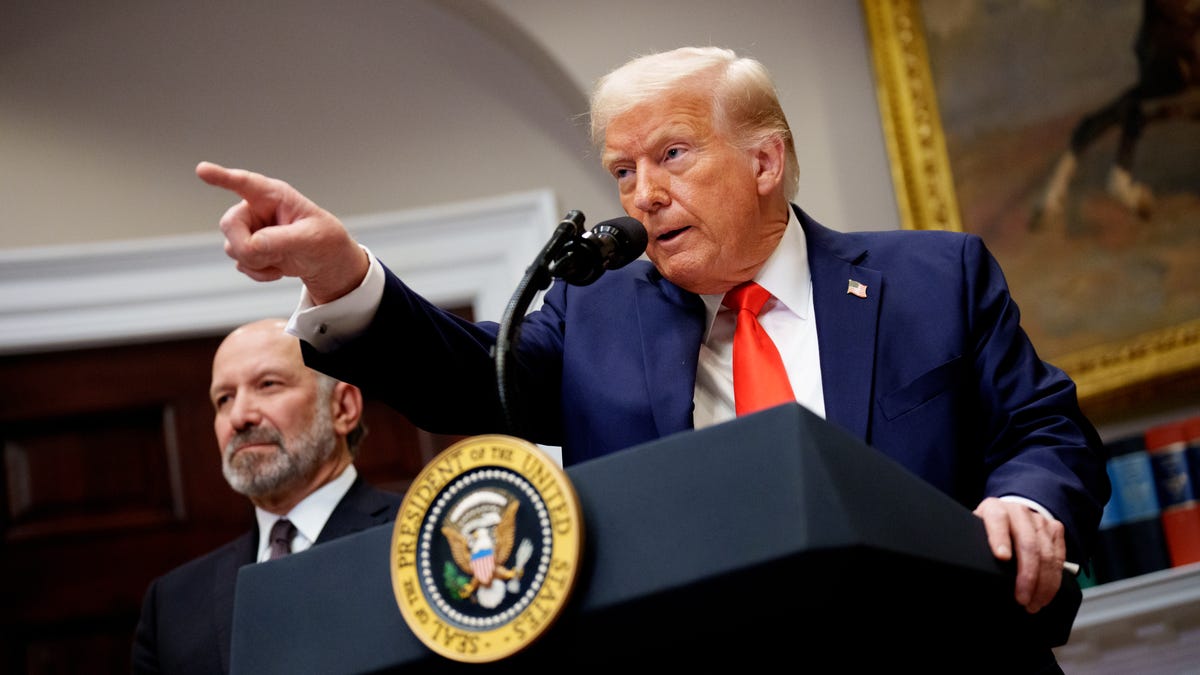
Trade War Tensions Rise as Trump’s Tariffs Hit Hard
As new tariffs imposed by the Trump administration come into effect, the stakes in the ongoing trade war escalate dramatically. Economic analysts fear that these measures could provoke a retaliatory response from affected nations, further complicating global trade relations. The implications of these tariffs are profound, affecting not only the American economy but also international relations and global markets.
Understanding Trump’s Tariff Strategy
Tariffs, which are taxes imposed on imported goods, have been a cornerstone of President Trump’s trade policy. The administration argues that these tariffs are necessary to protect American jobs and industries from unfair competition, particularly from countries like China. By making foreign goods more expensive, the administration hopes to encourage consumers to buy American-made products.
The recent wave of tariffs has targeted a variety of sectors, including steel, aluminum, and numerous consumer goods. For instance, tariffs of 25% on steel and 10% on aluminum have been particularly contentious, leading to significant backlash from allied nations. These measures have prompted fears of inflation, as manufacturers may pass the increased costs onto consumers, leading to higher prices at the register.
The Economic Impact of Tariffs
The economic landscape in the United States is shifting as these tariffs take hold. Here are some key factors to consider:
- Job Creation vs. Job Loss: While the administration touts job creation in certain sectors, such as steel manufacturing, other industries, including automotive and consumer electronics, are likely to suffer job losses due to increased production costs.
- Supply Chain Disruptions: Many businesses operate on a global scale, relying on a complex web of supply chains. Tariffs can disrupt these networks, leading to delays and increased costs, which could ultimately hurt American consumers.
- Consumer Prices: As tariffs raise the cost of imported goods, consumers may face higher prices for everyday items, from clothes to electronics. This inflationary pressure could dampen consumer spending, a critical driver of the U.S. economy.
Global Reactions and Retaliation
The imposition of tariffs has not gone unnoticed on the global stage. Countries affected by the tariffs have responded in various ways, often with retaliatory tariffs of their own. This tit-for-tat exchange raises the stakes significantly, as the potential for a full-blown trade war looms.
For example, countries such as Canada and the European Union have announced retaliatory tariffs on American products, targeting items like whiskey, motorcycles, and agricultural products. These measures not only affect American exporters but also strain diplomatic relations, creating a more hostile global trade environment.
Long-term Consequences of the Trade War
The long-term consequences of these tariffs and the escalating trade war could reshape global economic dynamics. Here are some potential outcomes:
- Shift in Global Trade Alliances: Countries may seek to strengthen alliances with non-U.S. partners, creating new trade agreements that exclude American businesses.
- Increased Protectionism: The rise of nationalism and protectionist policies could lead to a fragmented global trade system, where countries prioritize domestic industries over international cooperation.
- Innovation Slowdown: A reduction in global trade can stifle innovation, as companies may find fewer opportunities to collaborate and share ideas across borders.
Potential Solutions and Path Forward
Despite the challenges posed by the current trade war, there are pathways for resolution that could benefit all parties involved. Here are some potential strategies:
- Negotiation and Diplomacy: Engaging in open dialogue can help address trade imbalances without resorting to tariffs. Trade negotiations should focus on fair practices that benefit both American and foreign workers.
- Investing in American Innovation: Rather than relying solely on tariffs, investing in research and development can help American industries remain competitive on the global stage.
- Strengthening Domestic Industries: Providing support to vulnerable sectors could help mitigate the negative effects of globalization while ensuring that American businesses thrive.
As the trade war rages on and Trump’s tariffs hit hard, the implications for the global economy are vast and complex. The ongoing tensions highlight the delicate balance between protecting domestic industries and fostering healthy international trade relations. While the immediate impacts of these tariffs may seem daunting, there is potential for constructive dialogue and cooperative solutions that could pave the way for a more stable and prosperous economic future.
In this rapidly evolving landscape, it is crucial for policymakers, businesses, and consumers to stay informed and engaged. By understanding the stakes involved in the trade war and advocating for balanced approaches, all parties can contribute to a more equitable global trading system. The path forward may be challenging, but with cooperation and innovation, a brighter economic future is within reach.
See more CCTV News Daily