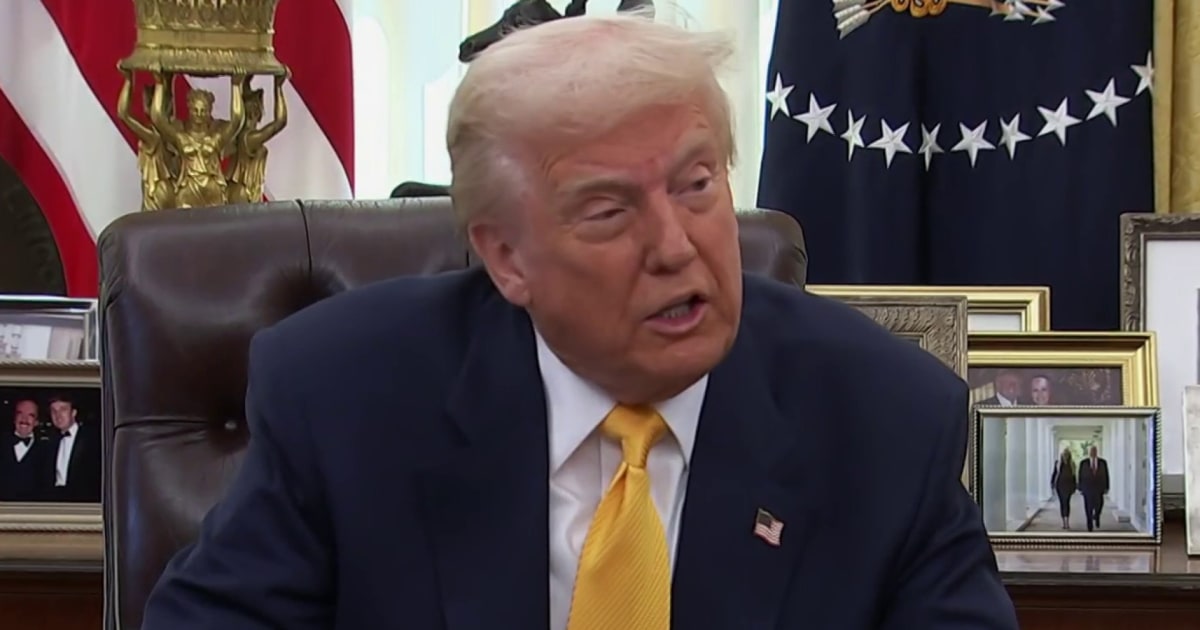
As economic uncertainty looms over the global landscape, President Trump’s approach to tariffs has become a focal point of debate among experts, policymakers, and citizens alike. This article delves into the implications of his policies on the global market and American consumers, highlighting the complexities of trade relations and the multifaceted effects of tariffs.
What Are Tariffs and Why Do They Matter?
Tariffs are taxes imposed on imported goods, designed to encourage domestic production by making foreign products more expensive. They can serve various purposes, including:
- Protecting Domestic Industries: By increasing the cost of imports, tariffs aim to shield local businesses from foreign competition.
- Generating Revenue: Tariffs can provide a source of income for the government.
- Influencing Trade Balance: Tariffs can be used to adjust trade deficits by encouraging consumers to buy domestically produced goods.
However, the implementation of tariffs can lead to unintended consequences, affecting not only trade partners but also domestic consumers and industries.
Trump’s Tariff Strategy: An Overview
Under President Trump, the U.S. adopted a more aggressive tariff strategy, particularly aimed at China. His administration argued that these tariffs were necessary to address unfair trade practices, intellectual property theft, and the trade deficit. Key components of this strategy included:
- Section 301 Tariffs: In 2018, the Trump administration imposed tariffs on $250 billion worth of Chinese goods, citing unfair trade practices.
- Steel and Aluminum Tariffs: Tariffs were also applied to steel and aluminum imports from various countries to protect American manufacturing.
- Withdrawal from Trade Agreements: Trump’s administration withdrew from the Trans-Pacific Partnership (TPP) and renegotiated NAFTA, replacing it with the United States-Mexico-Canada Agreement (USMCA).
These actions were framed as efforts to bolster American manufacturing and reduce reliance on foreign products.
Economic Implications of Trump’s Tariff Policies
The economic implications of Trump’s tariff policies have been significant and multifaceted. Economists and analysts have pointed out several key effects:
- Increased Prices for Consumers: Tariffs on imported goods often lead to higher prices for consumers. For example, tariffs on steel and aluminum have increased costs for industries reliant on these materials, such as automotive and construction.
- Retaliatory Tariffs: Countries affected by U.S. tariffs have often retaliated, imposing their own tariffs on American goods. This has hurt U.S. exporters, particularly in agriculture, where farmers faced challenges in accessing key markets.
- Short-Term Gains vs. Long-Term Growth: While some industries may benefit from reduced competition in the short term, long-term growth could be stifled if innovation and efficiency are compromised.
Overall, the economic landscape has become increasingly complex, with both positive and negative consequences arising from these policies.
Impact on Global Trade Relations
Trump’s tariff strategy has not only affected domestic markets but has also reshaped global trade relations. The following points illustrate the broader implications:
- Strained U.S.-China Relations: The trade war with China has led to heightened tensions between the two nations, affecting diplomatic and economic relations beyond just trade.
- Shift in Global Supply Chains: Companies have begun to rethink their supply chains, with some moving production out of China to avoid tariffs. This shift could lead to a reconfiguration of global manufacturing patterns.
- Encouragement of Regional Trade Agreements: In the wake of U.S. tariff policies, countries have sought to strengthen regional trade agreements, such as the Regional Comprehensive Economic Partnership (RCEP) in Asia.
These developments indicate a potential shift in the global economic order, with the U.S. position being challenged by other economic powers.
American Consumers: The Hidden Costs
While the intent behind tariffs may be to protect American industries, the reality for consumers is often different. The hidden costs of tariffs manifest in various ways:
- Higher Prices: As mentioned earlier, the cost of goods often rises due to tariffs. Everyday items, from electronics to groceries, can see price increases, affecting consumers’ purchasing power.
- Reduced Choices: With tariffs limiting imports, consumers may have fewer options available, which can stifle competition and innovation in the marketplace.
- Economic Strain on Low-Income Households: The impact of tariffs is often disproportionately felt by low-income households, who spend a larger portion of their income on basic goods.
As such, the overall economic strategy needs to balance the protection of domestic industries with the welfare of consumers.
Looking Ahead: Future of Tariff Policies
The future of Trump’s tariff policies remains uncertain, particularly as economic conditions evolve. Several factors will play a crucial role in shaping upcoming strategies:
- Political Landscape: As new administrations take office, the priority given to tariffs may change. Future leaders might opt for a more collaborative approach to trade.
- Global Economic Conditions: Economic recovery from events like the COVID-19 pandemic will influence trade dynamics and the need for tariffs.
- Technological Advances: Innovations in manufacturing and supply chain management may mitigate some of the pressures tariffs create.
Ultimately, the goal should be to create an economic environment that fosters growth, innovation, and fair competition, benefiting both American industries and consumers.
Conclusion
Navigating tariff turbulence is a complex endeavor, with significant implications for the global market and American consumers. President Trump’s strategies have sparked intense debate, reflecting the delicate balance between protecting domestic interests and promoting fair trade. As we move forward, it’s essential to critically assess the outcomes of these policies and strive for an economic framework that supports sustainable growth and equitable trade relations.
In this dynamic landscape, understanding the nuances of tariff policies will be crucial for consumers, businesses, and policymakers alike as they navigate the challenges and opportunities ahead.
See more CCTV News Daily