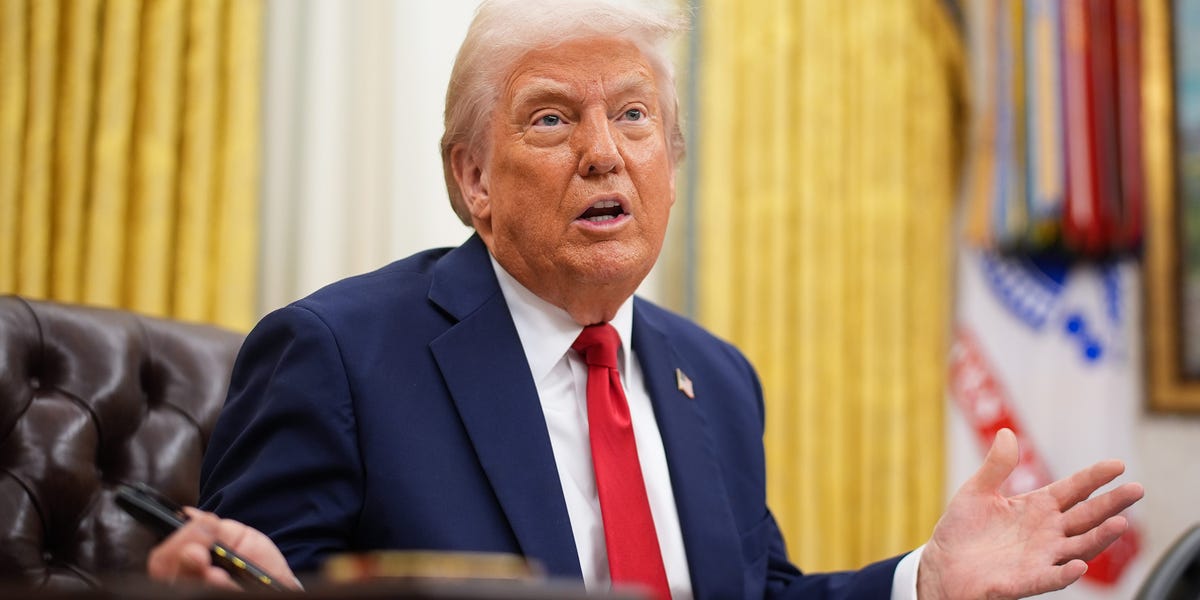
The High Stakes of Trade: How Trump’s Tariff Strategy Could Reshape the Global Economy
Former President Donald Trump’s potential return to aggressive tariff policies could trigger significant disruptions in global markets, warns Deutsche Bank. As Trump floats escalating trade barriers—including a 10% universal tariff—economists fear renewed trade wars, stock market volatility, and inflationary pressures. This strategy, aimed at protecting U.S. industries, may instead strain international relations and reshape supply chains worldwide.
Historical Context: The Legacy of Trump’s First Trade War
Trump’s initial tariff spree between 2018 and 2020 targeted over $350 billion in Chinese imports, alongside steel and aluminum from allies like the EU. While proponents argue these measures boosted domestic manufacturing, data paints a nuanced picture:
- The U.S. International Trade Commission found tariffs cost the economy $1.4 billion monthly by 2020
- Farm exports plummeted 27% amid retaliatory measures, per USDA reports
- Manufacturing employment grew just 1.3% despite protectionist goals
“Tariffs function like economic blunt-force trauma,” says Dr. Evelyn Cho, trade policy fellow at the Peterson Institute. “They create localized benefits but often export pain to consumers and downstream industries.”
Deutsche Bank’s Warning: Market Turbulence Ahead
The financial giant’s analysts project that sweeping tariffs could:
- Reduce S&P 500 earnings by 5-7% annually
- Trigger 10-15% declines in export-dependent sectors like automotive and tech
- Add 0.8 percentage points to inflation in the first year
“Markets are underpricing this risk,” cautions Deutsche Bank’s chief global strategist. “Unlike the measured 2018 rollout, a second-wave tariff regime could be implemented faster and broader, leaving less adjustment time.”
The Geopolitical Domino Effect
Experts warn of cascading consequences beyond economics:
- Supply chain fragmentation: Companies may accelerate “friend-shoring” away from China, but at higher costs
- Alliance strains: European leaders already criticize the approach as “economic unilateralism”
- Developing nation impacts: Emerging markets relying on export growth could face GDP contractions
Former USTR negotiator Robert Holleyman notes: “The 2020 USMCA showed tariffs can be bargaining chips, but overuse erodes trust. Trading partners now have contingency plans they didn’t in 2018.”
Industry-Specific Fallout
Certain sectors face disproportionate exposure:
- Automotive: Potential 25% tariffs on foreign vehicles could raise average car prices by $6,000 (Center for Automotive Research)
- Technology: Semiconductor supply chains may face renewed disruptions
- Agriculture: Retaliatory measures could hit $50B in annual farm exports
The Inflation Paradox
While intended to boost domestic production, tariffs often function as hidden taxes:
- 2021 National Bureau of Economic Research study found U.S. consumers bore 92% of China tariff costs
- Federal Reserve estimates suggest previous tariffs added 0.3% to core inflation
“In a high-rate environment, this policy could pinch households twice—through pricier goods and prolonged Fed tightening,” warns MIT economist David Autor.
Alternative Approaches: Is There a Middle Ground?
Some policy experts advocate targeted measures:
- Expanding export controls on sensitive technologies rather than blanket tariffs
- Deepening trade pacts with allies through minilateral agreements
- Increasing WTO dispute filings against unfair practices
However, political realities may favor dramatic action. “Tariffs are highly visible symbols of economic nationalism,” notes political scientist Ian Bremmer. “In an election year, symbolism sometimes outweighs substance.”
Looking Ahead: Preparing for Economic Shockwaves
Businesses and investors are advised to:
- Stress-test supply chains for tariff exposure
- Diversify sourcing beyond single-country dependencies
- Monitor currency fluctuations as trade tensions escalate
The coming months will test whether protectionism can deliver promised gains without triggering the global economic upheaval analysts fear. As trade policies evolve, stakeholders must balance short-term adaptation with long-term strategic repositioning.
For ongoing analysis of trade policy impacts, subscribe to our economic briefing series.
See more CCTV News Daily