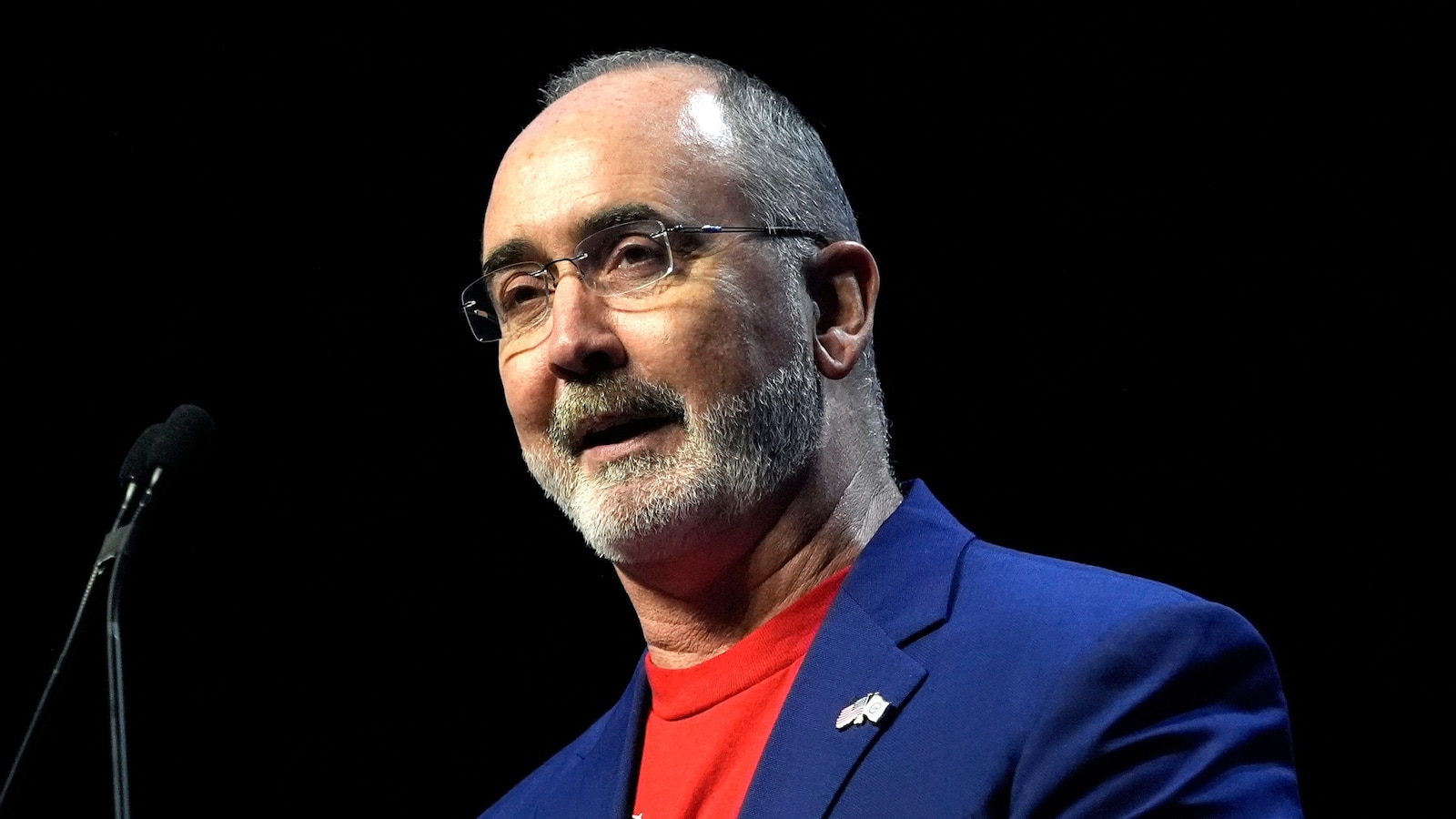
UAW Chief on Trump’s Tariffs: A Critical Move for Economic Revival
In the ever-evolving landscape of the global economy, the role of tariffs has become increasingly pivotal. Recently, the United Auto Workers (UAW) Chief has underscored the importance of former President Trump’s tariffs on Canada and Mexico. This strategic initiative is being hailed as a necessary measure to “stop the bleeding” in the U.S. economy, aimed at protecting American jobs and industries amidst growing international competition.
Understanding the Context of Tariffs
Tariffs, essentially taxes imposed on imported goods, serve multiple purposes. They can protect domestic industries from foreign competition, generate government revenue, and influence trade balances. The economic rationale behind implementing tariffs often centers around safeguarding local employment and fostering national production.
The UAW’s Perspective on Tariffs
From the UAW’s point of view, Trump’s tariffs represent a bold move designed to revitalize the U.S. manufacturing sector. The Chief emphasizes that the automotive industry, a cornerstone of American manufacturing, has faced unprecedented challenges due to globalization and the influx of cheaper imports. By imposing tariffs on goods from Canada and Mexico, the UAW aims to level the playing field for American workers.
- Protection of American Jobs: The UAW believes that tariffs are essential in preventing job losses in the automotive sector. By making imported vehicles and parts more expensive, tariffs encourage consumers to buy domestically produced goods.
- Encouragement of Local Manufacturing: With increased costs on imports, manufacturers may be incentivized to invest in domestic production facilities, leading to job creation and economic growth.
- Stabilization of Wages: Protecting jobs can also help stabilize wages within the industry, allowing workers to earn a decent living and support their families.
Analyzing the Broader Economic Impact
The implications of Trump’s tariffs extend beyond just the automotive industry. The UAW Chief’s support highlights a broader trend of protectionist measures aimed at revitalizing various sectors of the American economy. Let’s delve deeper into the potential economic impacts of these tariffs.
Benefits of Tariffs on the U.S. Economy
The benefits of tariffs can be multifaceted, providing both short-term relief and long-term advantages. Here are some of the key benefits as outlined by economic experts:
- Trade Balance Improvement: By decreasing imports, tariffs can help reduce the trade deficit, which has long been a point of concern for economists. A healthier trade balance may strengthen the U.S. dollar and improve overall economic stability.
- Investment in Innovation: With the protection offered by tariffs, companies may feel more secure in investing in research and development, fostering innovation and technological advancement within the U.S.
- Enhanced Competitiveness: Tariffs can encourage domestic companies to improve efficiency and competitiveness in response to a more favorable market environment.
Challenges and Criticisms of Tariffs
While the UAW Chief and supporters of Trump’s tariffs champion their potential benefits, it is crucial to consider the challenges and criticisms associated with such measures. Critics argue that tariffs can lead to several unintended consequences, including:
- Increased Consumer Prices: Tariffs often result in higher prices for consumers, as businesses pass on the costs of tariffs to customers. This can lead to inflation, particularly in sectors heavily reliant on imported goods.
- Retaliation from Trade Partners: Imposing tariffs can provoke retaliatory measures from affected countries, leading to trade wars that can further harm American businesses and consumers.
- Strain on International Relations: Tariffs can strain diplomatic relationships, potentially leading to conflicts that extend beyond economic issues.
The Importance of Strategic Implementation
To maximize the benefits of tariffs while mitigating potential downsides, the strategic implementation of such policies is paramount. The UAW Chief advocates for a balanced approach that includes:
- Monitoring Economic Indicators: Continuously assessing the economic landscape can help adapt tariffs as needed to ensure they are achieving their intended goals.
- Engaging with Stakeholders: Involving various stakeholders, including businesses, labor unions, and policymakers, can foster a collaborative approach to trade policies.
- Investing in Workforce Development: As industries adapt to changes brought on by tariffs, investing in training and education for workers will be essential to equip them for new roles.
A Vision for the Future
The UAW Chief’s support for Trump’s tariffs reflects a commitment to revitalizing American manufacturing and protecting American jobs. In a global economy marked by rapid change, such bold initiatives are crucial to ensuring that the U.S. remains competitive.
As the nation moves forward, it is essential to foster a balanced approach that embraces both protectionist measures and collaboration with international partners. The future of the U.S. economy may very well depend on how effectively policymakers can navigate this complex landscape, ensuring that American workers are supported while also maintaining healthy trade relationships.
Conclusion: The Path Ahead
In conclusion, Trump’s tariffs on Canada and Mexico represent a significant moment for the U.S. economy, one that could reshape the manufacturing landscape for years to come. The UAW Chief’s bold stance emphasizes the need to protect American jobs and industries, striving to “stop the bleeding” in an increasingly competitive global market.
While the success of these tariffs will depend on careful implementation and ongoing evaluation, the commitment to revitalizing American manufacturing is a vision that resonates throughout the industry. As we look ahead, the key will be finding a balance that supports workers, fosters innovation, and maintains America’s position in the global economy.
See more CCTV News Daily