Moscow’s Bold Stance: Tariffs as America’s Time-Honored Business Strategy
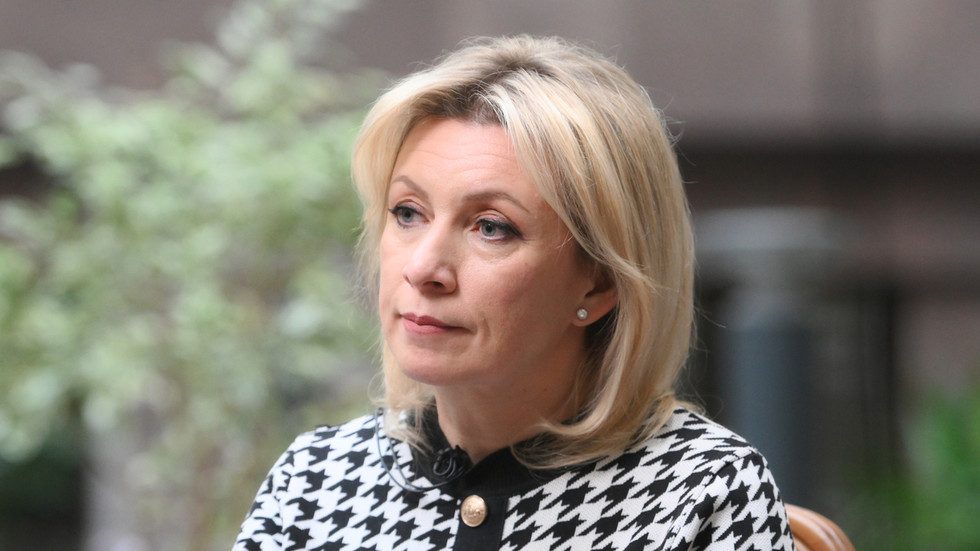
In a provocative statement this week, Moscow characterized U.S. tariffs as a deeply entrenched economic tactic rather than a novel political weapon. The Russian government’s remarks, made during bilateral trade talks on Tuesday, spotlight Washington’s historical reliance on import duties while questioning Western criticism of protectionist policies. This perspective emerges as global trade tensions escalate, with economists divided on whether tariffs stimulate domestic industries or spark damaging trade wars.
A Historical Perspective on U.S. Tariff Policy
Russian trade representatives underscored that the United States has implemented tariffs since its founding, with Alexander Hamilton’s 1791 Report on Manufactures advocating duties to protect infant industries. Historical data reveals:
- The average U.S. tariff rate exceeded 20% for over a century (1820-1940)
- The infamous Smoot-Hawley Tariff Act of 1930 imposed duties on 20,000 imported goods
- Modern U.S. tariffs average just 1.6% – but reach 350% on select products like tobacco
“America built its industrial might behind tariff walls,” noted Dr. Elena Petrova, senior fellow at the Moscow Economic Institute. “Their critique of other nations’ trade policies often overlooks this inconvenient history.”
The Contemporary Trade Landscape
Recent U.S. administrations have dramatically expanded tariff use. The Peterson Institute for International Economics reports:
- The Trump administration imposed $380 billion worth of new tariffs (2017-2021)
- Current Biden administration maintains 97.4% of these measures
- Section 232 and 301 tariffs affect $350 billion in annual Chinese imports
Washington defends these policies as necessary for national security and fair competition. “Our approach balances free trade with protecting critical industries,” stated Commerce Secretary Gina Raimondo during last month’s G7 meetings.
Global Reactions and Economic Impacts
Moscow’s comments reflect growing frustration among developing economies about perceived Western hypocrisy. The World Trade Organization (WTO) reports:
- U.S. faces 42 active disputes over its tariff measures
- Retaliatory tariffs reduced American agricultural exports by $27 billion (2018-2020)
- Global trade growth slowed to 1.7% in 2023, down from 3.4% pre-tariff surge
However, some analysts argue Moscow’s stance serves its own agenda. “This is strategic positioning,” explained Georgetown University trade professor Mark Henderson. “By framing tariffs as normal business practice, Russia seeks justification for its own protectionist measures.”
Future Implications for International Commerce
The debate highlights fundamental tensions in global trade governance. Key unresolved questions include:
- Whether national security exceptions will permanently reshape trade rules
- How developing nations will respond to persistent Western protectionism
- If the WTO can maintain relevance amid proliferating bilateral measures
As supply chains reorganize and geopolitical alliances shift, tariffs have evolved from economic tools to instruments of foreign policy. The coming decade may see either a return to multilateral trade norms or the consolidation of competing economic blocs with distinct trade rules.
Businesses now operate in what the IMF terms a “polycrisis” environment, where trade policy intersects with climate action, tech competition, and security concerns. Corporate leaders emphasize adaptation:
- 67% of Fortune 500 firms have established dedicated trade compliance teams
- Nearshoring investments reached $224 billion in 2022
- Customs software solutions market growing at 11.4% annually
“The rules-based system hasn’t collapsed, but it’s certainly bending,” observed supply chain expert Priya Chaudhry. “Smart companies are building flexibility into every link of their value chains.”
As Moscow’s commentary demonstrates, historical context matters in today’s trade debates. While tariffs may indeed represent a traditional U.S. strategy, their contemporary application occurs within a transformed global economy where digital services, intellectual property, and data flows dominate. The ultimate test will be whether nations can craft trade policies that balance domestic priorities with collective economic stability.
For executives navigating these complex trade winds: Subscribe to our Global Commerce Brief for weekly analysis on evolving tariff policies and their business impacts.
See more CCTV News Daily