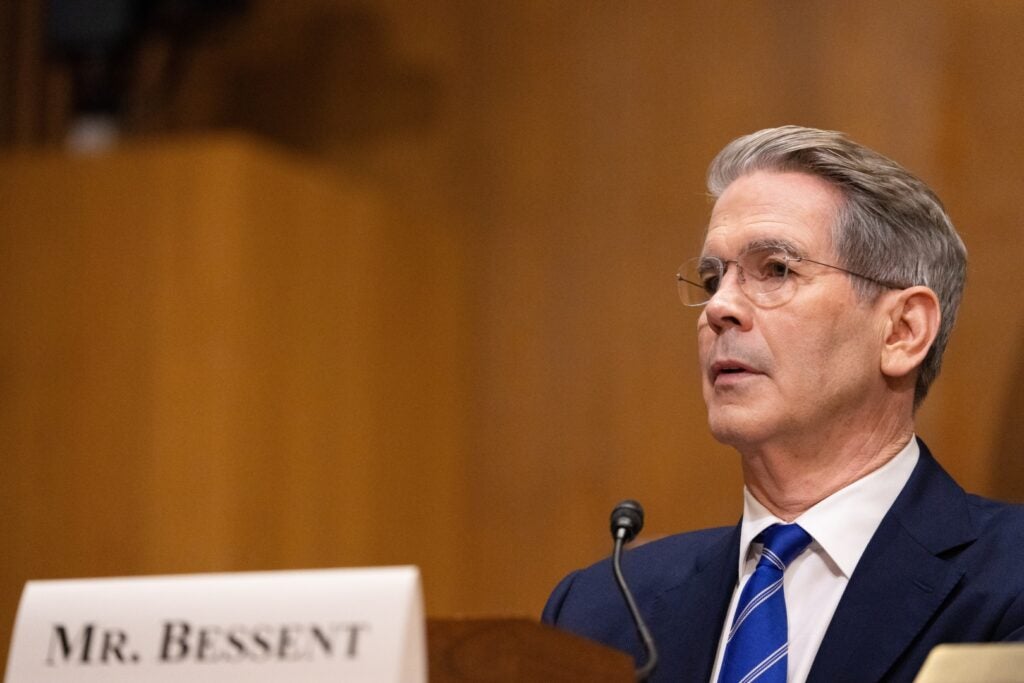
The Countdown to Liberation Day 2.0: Trump’s Trade Deal Ultimatum
As global trade tensions escalate, financial expert Scott Bessent has sounded the alarm about an impending economic milestone he calls “Liberation Day 2.0.” With former President Donald Trump pushing aggressive trade policies ahead of the 2024 election, major retailers like Target and Walmart brace for potential upheaval. Analysts warn this high-stakes standoff could reshape supply chains, consumer prices, and international relations within months.
The Genesis of Liberation Day 2.0
Bessent, founder of Key Square Group and former Soros Fund Management CIO, first coined the term during a private investor briefing last week. “We’re approaching a macroeconomic inflection point where nations must either accept America’s trade terms or face exclusion from its consumer markets,” he stated. The original “Liberation Day” referred to Trump’s 2017 corporate tax cuts; this sequel focuses on trade recalibration.
Recent developments lend credence to Bessent’s warning:
- Trump proposed 10% universal baseline tariffs in April 2024
- U.S.-China trade deficit hit $22.9 billion in May (Census Bureau)
- Walmart imported 60% more Vietnamese goods year-over-year (Panjiva data)
Retail Giants in the Crosshairs
Mass merchants face existential pressure as Trump vows to “tax the hell out of countries exploiting our markets.” Target’s Q1 2024 earnings revealed a 12% increase in supply chain costs, while Walmart CEO Doug McMillon recently testified before Congress about “pricing thresholds that could trigger consumer pullback.”
“These companies operate on razor-thin 3-4% margins,” explained MIT supply chain expert Dr. Eva Rosenberg. “A 10% tariff without offsetting cost reductions would force either price hikes or inventory reductions—both painful choices.”
The Geopolitical Domino Effect
Beyond retail, the ultimatum threatens to redraw global alliances. The European Commission has already drafted retaliatory tariffs targeting $4.3 billion in U.S. agricultural exports. Meanwhile, ASEAN nations scramble to negotiate bilateral deals, with Vietnam emerging as a potential winner.
“This isn’t just about tariffs—it’s about rewriting the rules of engagement,” noted former USTR official Michael Pillsbury. “The administration wants to shift from multilateral frameworks to direct country-by-country negotiations where America holds more leverage.”
Consumers: The Unintended Casualties?
JPMorgan Chase analysis suggests Trump’s proposed tariffs could:
- Add $1,500 annually to average household expenses
- Reduce discretionary spending by 8-12%
- Accelerate inflation by 1.2 percentage points
However, Trump economic advisor Peter Navarro counters: “Short-term pain leads to long-term gain. Reshoring just 10% of manufacturing would create 2 million jobs that pay 37% more than service sector positions.”
The Path Forward
With 87 days until the Republican National Convention, stakeholders are preparing contingency plans. Walmart has reportedly leased additional warehouse space near ports, while Target explores direct partnerships with Mexican manufacturers. Economists warn the window for adaptation narrows daily.
“Liberation Day 2.0 could arrive as soon as January 2025,” Bessent cautioned. “Companies betting against Trump’s resolve may find themselves stranded when the music stops.”
For businesses and consumers alike, the countdown clock ticks louder each week. Those seeking to understand the full implications should review the U.S. International Trade Commission’s latest global competitiveness report—the roadmap for what may become the most significant trade realignment in decades.
See more CCTV News Daily