Record Surge in U.S. Trade Deficit: What’s Driving the Pre-Tariff Import Boom?
The U.S. trade deficit ballooned to a historic $99 billion in March 2024, marking the sharpest monthly increase in over a decade as businesses raced to stockpile imports before anticipated tariff hikes. The Commerce Department reported a 12% surge in goods imports—particularly consumer electronics, automotive parts, and industrial materials—while exports grew just 2.1%, widening the gap to levels not seen since the 2008 financial crisis.
Pre-Tariff Stockpiling Creates Import Gold Rush
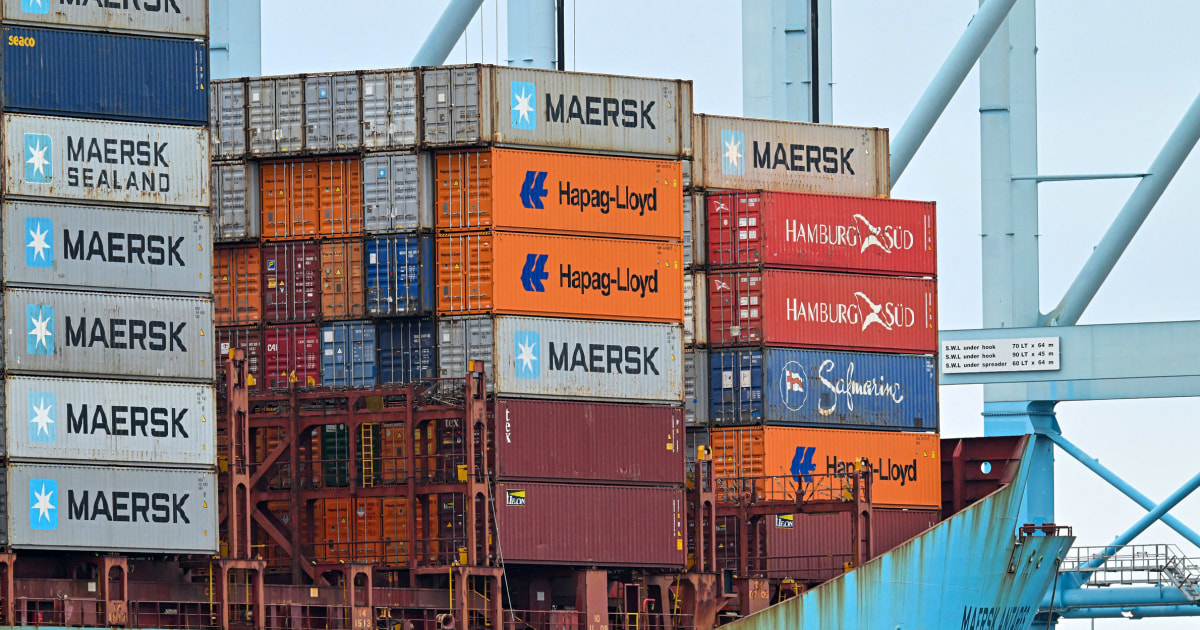
Economists attribute nearly 60% of the deficit spike to what analysts call “tariff front-running”—a phenomenon where companies accelerate purchases to avoid impending trade barriers. With the Biden administration considering new tariffs on Chinese semiconductors and clean energy components, importers scrambled to secure inventory. Container shipments at Los Angeles and Long Beach ports jumped 18% year-over-year in Q1 2024.
“This is classic economic behavior ahead of trade policy shifts,” explains Dr. Linda Chen, senior fellow at the Peterson Institute for International Economics. “When businesses anticipate a 20-30% price hike on key inputs next quarter, they’ll pay 10% more today to lock in supply. That calculus is driving unprecedented import volumes.”
Sector-Specific Surges and Supply Chain Reactions
Three industries accounted for 72% of the import surge:
- Electronics: $14.2 billion increase in computer components and telecom gear
- Automotive: $8.7 billion rise in EV batteries and aluminum parts
- Industrial Machinery: $6.1 billion growth in manufacturing equipment
Meanwhile, U.S. exporters face headwinds from a strong dollar and weakening global demand. Agricultural shipments declined 3.4%, with soybean exports to China dropping 22% amid renewed trade tensions.
Economic Implications: Short-Term Relief vs. Long-Term Risks
The import boom temporarily bolstered retail inventories to 1.45 months of supply—the highest since pandemic-era stockpiling in 2021. However, economists warn this artificial demand could distort key indicators:
“Q2 GDP numbers might look artificially strong due to inventory buildup,” notes Mark Richardson, chief economist at Trade Analytics Partners. “But once these tariffs hit, we’ll see either inflationary pressure as costs rise or demand destruction if businesses can’t absorb the hikes.”
The Federal Reserve faces renewed policy challenges as:
- Inventory gluts may suppress inflation temporarily
- Dollar strength could further hurt exports
- Manufacturing output may decline post-stockpiling
Global Trade Patterns Shift Ahead of Policy Changes
Trade data reveals strategic pivots in sourcing patterns:
| Country | Import Growth (YoY) | Key Products |
|---|---|---|
| China | 14.8% | Electronics, machinery |
| Vietnam | 22.3% | Footwear, furniture |
| Mexico | 9.1% | Auto parts, medical devices |
Notably, Vietnamese imports hit record levels as companies diversify supply chains away from China. “The ‘China Plus One’ strategy is accelerating,” observes supply chain expert Priya Kapoor. “But with proposed tariffs covering ASEAN nations too, this reshuffling may prove temporary.”
What Comes Next for U.S. Trade Policy?
The White House faces competing pressures:
- Labor unions demand stricter enforcement of existing tariffs
- Retail associations warn of consumer price spikes
- Manufacturers seek targeted exemptions for critical inputs
Commerce Secretary Gina Raimondo recently hinted at phased implementation: “We’re mindful of transition periods to avoid supply shocks.” Meanwhile, Treasury yields have risen 40 basis points since March as bond markets price in potential inflation.
Preparing for the Post-Stockpiling Economy
Business leaders should consider:
- Auditing inventory levels to avoid overexposure
- Exploring near-shoring options for tariff-vulnerable goods
- Hedging currency risks amid dollar volatility
As the global trade landscape enters a period of heightened uncertainty, one truth becomes clear: today’s import surge represents not just a statistical anomaly, but the opening move in a high-stakes economic chess match. The coming months will reveal whether this deficit spike was a strategic necessity or a costly overreaction.
For ongoing analysis of trade policy impacts, subscribe to our weekly economic briefing.
See more CCTV News Daily