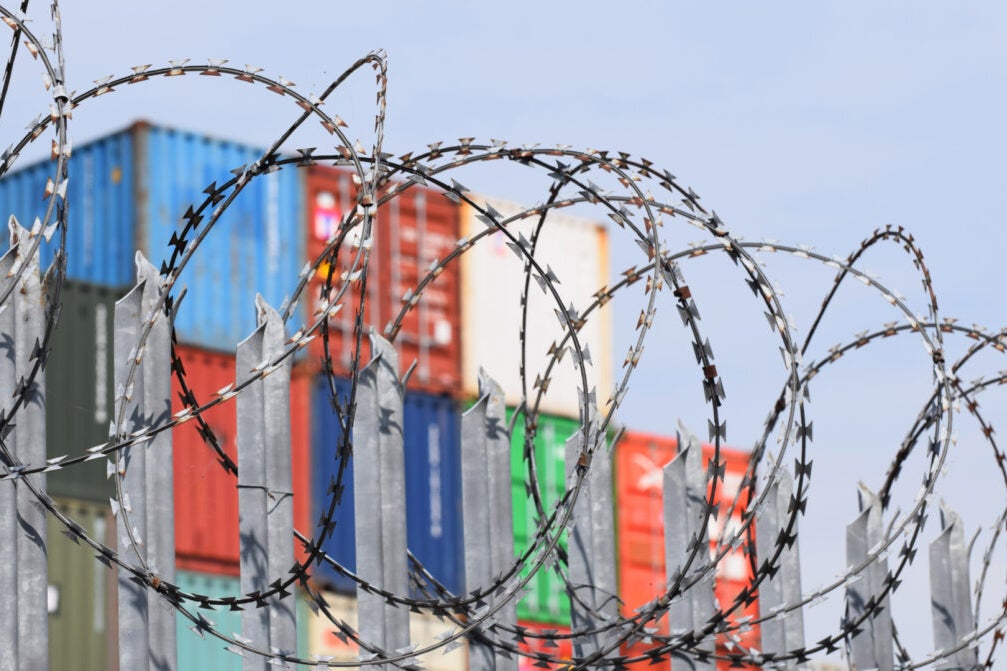
Global Trade Talks Heat Up as 50 Nations Seek Tariff Solutions
In a dramatic development that could redefine international commerce, the Trump administration announced that over 50 countries are preparing to negotiate solutions to escalating tariff disputes. The talks, expected to begin next month, aim to address trade imbalances and reduce economic tensions that have strained global markets since 2018. The unprecedented collaboration signals a potential thaw in trade wars that have impacted industries from agriculture to technology.
Why These Talks Could Be a Game-Changer
The scale of participation—spanning the European Union, Japan, Brazil, and several African nations—marks a significant departure from the bilateral approach that dominated the Trump era. Analysts suggest the shift reflects growing pressure on economies battered by protectionist policies. Global trade volumes contracted by 0.4% in 2023, according to the World Trade Organization (WTO), with tariffs costing businesses an estimated $1.7 trillion annually.
“This is the first time we’ve seen such a broad coalition willing to tackle tariffs multilaterally,” said Dr. Elena Torres, a senior fellow at the Brookings Institution. “The key question is whether nations will prioritize short-term gains or long-term stability.”
The Stakes for Major Economies
The U.S. and China, though not formally cooperating, are expected to monitor the talks closely. Both nations have imposed steep tariffs on each other’s goods, with U.S. duties affecting $550 billion worth of Chinese imports. Meanwhile, the EU recently threatened retaliatory measures against American steel and aluminum levies.
- U.S. Agriculture: Soybean exports dropped 27% since 2020 due to Chinese tariffs.
- European Auto Industry: BMW and Volkswagen reported $2.3 billion in combined losses from U.S. tariffs.
- Emerging Markets: Vietnam’s electronics sector faces 25% U.S. duties on key components.
Critics argue that tariffs have disproportionately harmed smaller economies. “Developing nations lack the leverage to negotiate one-on-one,” noted Kenyan Trade Minister Amani Nziga. “A collective approach levels the playing field.”
Potential Roadblocks to Consensus
Despite optimism, divisions persist. The U.S. insists on “reciprocal tariffs,” while the EU advocates for WTO-led reforms. India and South Africa, meanwhile, seek exemptions for critical industries like pharmaceuticals. Historical precedent raises doubts—the 2001 Doha Round of trade talks collapsed after a decade of deadlock.
John Keller, a former U.S. trade negotiator, cautioned: “Agreeing on principles is easy. The devil’s in the details—like defining ‘fair trade’ for 50 different economies.”
What Success Could Look Like
If successful, the talks could:
- Roll back 30% of existing tariffs within 18 months
- Establish a dispute-resolution mechanism
- Standardize digital trade rules
Tech giants like Apple and Samsung have lobbied for the latter, as inconsistent data laws complicate supply chains. A 2023 McKinsey report found that harmonizing digital tariffs could boost global GDP by $3.4 trillion by 2030.
The Path Forward
Preliminary meetings will convene in Geneva next month, with formal negotiations slated for Q3 2024. Observers suggest the Biden administration’s quiet diplomacy helped lay the groundwork, though Trump’s team claims credit for forcing the issue. Either way, the clock is ticking—the WTO predicts further trade fragmentation if no deal is reached by 2025.
For businesses and consumers alike, the stakes couldn’t be higher. “Tariffs are taxes by another name,” said Torres. “This may be our best chance to cut them.”
Stay informed with our Trade Policy Tracker for real-time updates on these pivotal negotiations.
See more CCTV News Daily