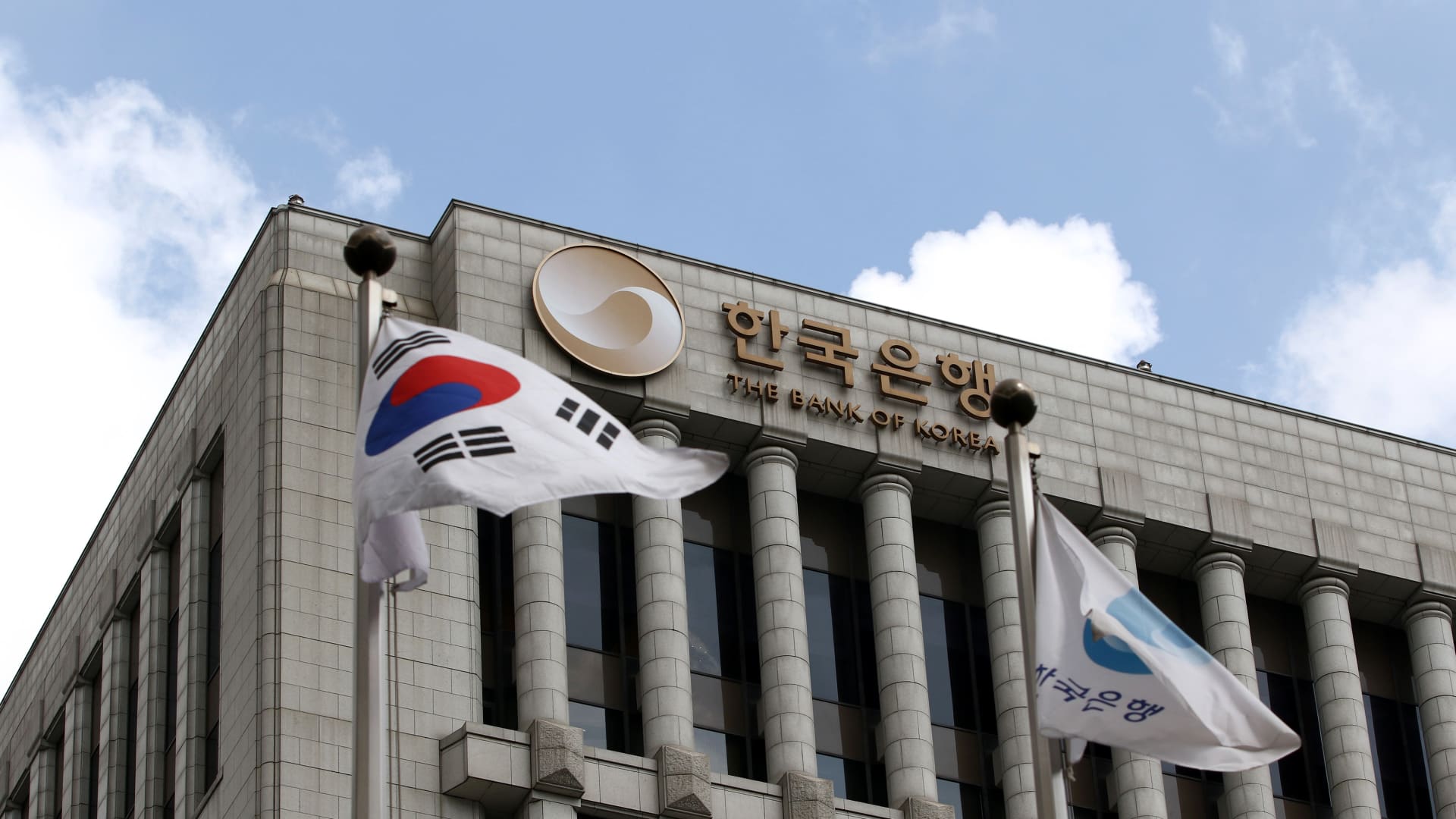
Bank of Korea Governor Warns Trade Tensions Threaten Global Stability
In a stark warning issued on Tuesday, Bank of Korea Governor Rhee Chang-yong highlighted how escalating trade tensions between major economies could destabilize global markets and stifle economic growth. Speaking at a financial forum in Seoul, Rhee cautioned that protectionist policies, such as tariffs and export controls, risk fragmenting international trade systems and harming all nations involved. His remarks come amid rising geopolitical friction between the U.S., China, and the European Union.
The Growing Risks of Trade Fragmentation
Governor Rhee emphasized that the world is witnessing a dangerous shift toward economic nationalism, with countries increasingly prioritizing domestic industries over global cooperation. “Trade barriers may offer short-term protection, but they ultimately lead to higher costs, supply chain disruptions, and slower innovation,” he stated. Data from the World Trade Organization (WTO) supports this view, showing a 15% increase in trade-restrictive measures among G20 nations since 2022.
Key examples of rising tensions include:
- The U.S. imposing new tariffs on Chinese electric vehicles and semiconductors
- The EU investigating subsidies for China’s wind turbine and solar panel industries
- Japan and South Korea facing export controls on critical minerals
According to the International Monetary Fund (IMF), such measures could reduce global GDP by up to 1.4% annually if left unchecked. “No economy is an island,” Rhee warned. “Interconnected markets mean that one nation’s trade restrictions quickly ripple across borders.”
Economic Consequences for Asia and Beyond
As a trade-dependent region, Asia faces disproportionate risks from these tensions. South Korea’s exports, which account for nearly 40% of its GDP, have already shown volatility due to U.S.-China decoupling efforts. A recent Bank of Korea report projected a 0.8% decline in the country’s export growth if trade conflicts intensify further.
Dr. Linda Lim, an economist at the University of Michigan, echoed Rhee’s concerns. “Emerging markets rely heavily on open trade for development. When major economies clash, smaller nations get caught in the crossfire,” she told Global Finance Review. Lim pointed to Vietnam and Malaysia as examples—both have seen foreign investment dip as companies reassess supply chain risks.
Diverging Perspectives on Trade Policies
While Rhee and many economists advocate for multilateral solutions, some policymakers argue that strategic trade protections are necessary. U.S. Trade Representative Katherine Tai recently defended tariffs as a tool to counter unfair competition. “We must protect our workers and industries from practices that distort global markets,” she said during a congressional hearing.
However, critics argue that retaliatory measures often backfire. A 2023 study by the Peterson Institute for International Economics found that U.S. tariffs on Chinese goods cost American households an average of $1,200 per year in higher prices. Similarly, European manufacturers have reported supply delays and increased production costs due to trade barriers.
Potential Pathways to De-escalation
Governor Rhee urged nations to prioritize dialogue through forums like the WTO and G20. He also suggested strengthening regional trade agreements, such as the Comprehensive and Progressive Agreement for Trans-Pacific Partnership (CPTPP), to mitigate disruptions. “The goal should be fair competition, not isolation,” he remarked.
Other experts propose confidence-building measures, including:
- Establishing clear rules for subsidies and state-owned enterprises
- Expanding digital trade frameworks to reduce bureaucratic hurdles
- Creating crisis communication channels to prevent unintended escalation
What Lies Ahead for Global Trade?
The coming months will be critical as elections in the U.S., EU, and other regions could reshape trade policies. Analysts warn that populist rhetoric favoring protectionism may gain traction, further straining international relations. Meanwhile, central banks like the Bank of Korea must prepare for potential shocks, from currency fluctuations to inflationary pressures.
For businesses and investors, the advice is clear: diversify supply chains, monitor policy changes closely, and advocate for balanced trade solutions. As Governor Rhee concluded, “The cost of fragmentation is too high. Cooperation isn’t just ideal—it’s imperative for lasting stability.”
Call to Action: Stay informed on global trade developments by subscribing to our Economic Policy Watch newsletter for expert analysis and real-time updates.
See more CCTV News Daily