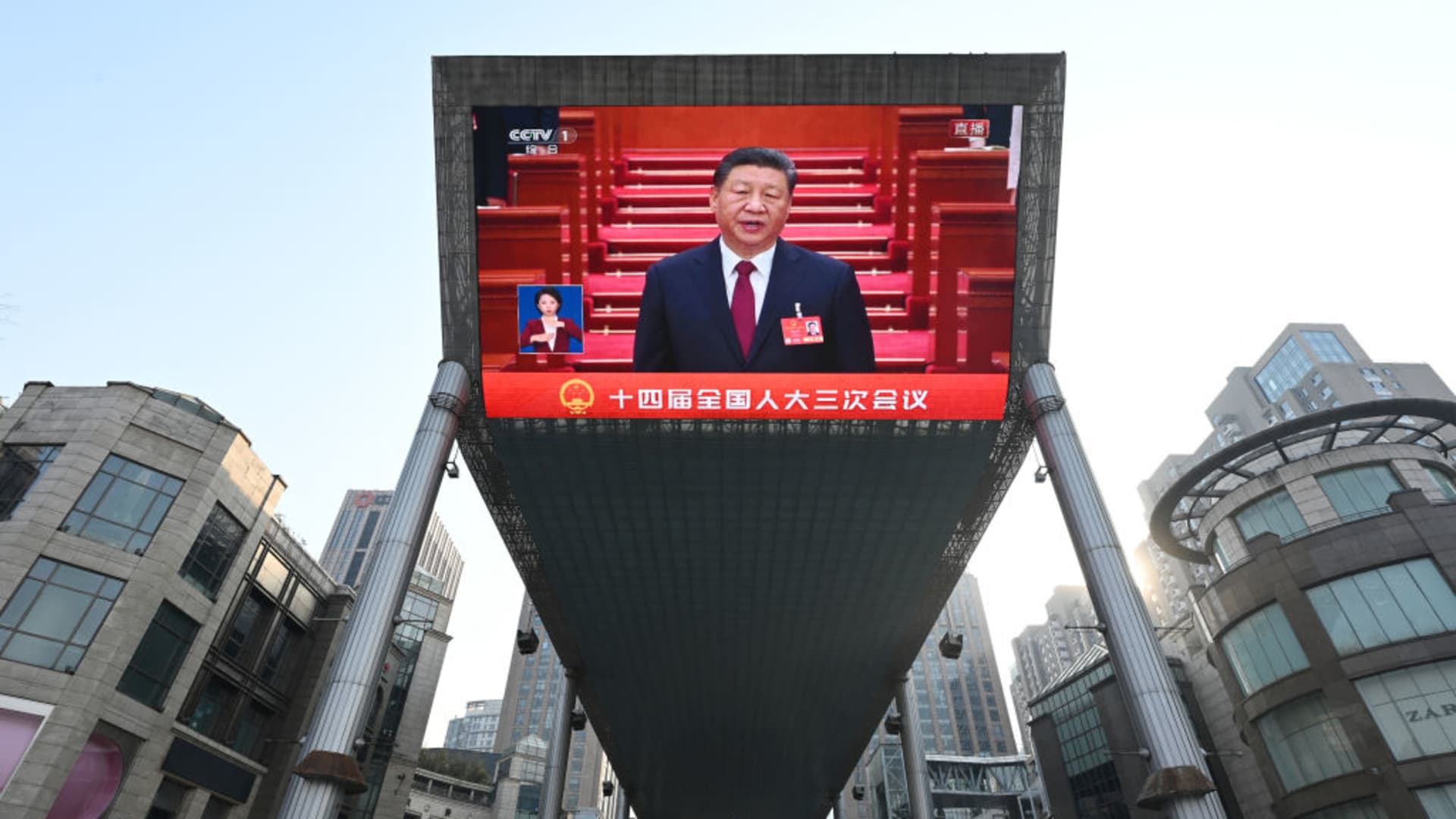
China Stands Firm: Ready to Engage in Prolonged Trade Battle with the U.S.
As global economic dynamics shift, the trade relationship between China and the United States has become increasingly contentious. Recent developments indicate that China stands firm, prepared to engage in a prolonged trade battle with the U.S. This determination is not merely a surface-level reaction; it stems from deep-rooted strategic considerations and a resilient economic framework that Beijing believes can withstand external pressures.
Background of the Trade Tensions
The trade conflict between the U.S. and China has its origins in several factors, including intellectual property theft, trade imbalances, and geopolitical competition. The U.S. has accused China of unfair trade practices, leading to a series of tariffs and counter-tariffs that have escalated the situation over the past few years. The Trump administration initiated a hardline approach, which has continued under the Biden administration, albeit with different strategies.
As both nations brace for a continued showdown, the implications for global markets and economies are profound. The stakes are high, not just for the U.S. and China but for countries around the world that are intertwined in this complex web of economic interdependence.
China’s Economic Resilience
One of the key reasons China stands firm in this trade battle is its economic resilience. Despite facing tariffs and other trade barriers, China has managed to sustain its growth trajectory through various means:
- Diversification of Trade Partners: China has actively sought to diversify its trade relationships, forging closer ties with countries in Asia, Africa, and Europe. This strategy lessens its dependence on the U.S. market.
- Domestic Consumption: The Chinese government has been focusing on stimulating domestic consumption to reduce reliance on exports. By fostering a robust internal market, China aims to mitigate the impact of external shocks.
- Technological Advancements: China has invested heavily in technology and innovation, striving to become a global leader in sectors such as artificial intelligence, renewable energy, and biotechnology. This push for self-sufficiency further strengthens its economic standing.
The Strategic Importance of the Trade Battle
China’s readiness to engage in a prolonged trade battle is not just about economics; it is also about strategy. The Chinese leadership views this conflict as a crucial moment to assert its position on the global stage. Here are a few strategic considerations:
- National Sovereignty: The Chinese government frames the trade battle as a matter of national sovereignty, portraying itself as standing up to foreign pressure. This narrative resonates with the domestic audience and reinforces the legitimacy of the ruling party.
- Geopolitical Influence: By maintaining a firm stance against the U.S., China seeks to enhance its geopolitical influence. A prolonged conflict could shift global power dynamics, positioning China as a leader in an emerging multipolar world.
- Long-term Planning: Beijing is known for its long-term planning. Chinese leaders are likely calculating that the U.S. may not have the resolve or the economic strength to sustain a lengthy trade war, especially as domestic issues arise.
Global Economic Implications
The implications of this prolonged trade battle extend far beyond the borders of the U.S. and China. Global markets are already feeling the ripple effects, and several key areas are worth noting:
- Supply Chain Disruptions: Many companies rely on cross-border supply chains that involve both U.S. and Chinese components. Prolonged tensions could lead to disruptions, affecting production and increasing costs globally.
- Investment Climate: Uncertainty surrounding U.S.-China relations can deter foreign investment, as companies may be reluctant to enter markets fraught with risk. This could lead to a slowdown in global economic growth.
- Shifts in Trade Alliances: Countries may seek to realign their trade partnerships in response to the ongoing conflict, which could alter traditional alliances and create new economic blocs.
China’s Approach to Negotiation
While China stands firm, it does not mean it is entirely averse to negotiation. In fact, Beijing has shown a willingness to engage in talks, albeit under its terms. The Chinese leadership understands that a complete breakdown in dialogue could be detrimental to both sides. Therefore, they may adopt a strategic approach to negotiations, focusing on:
- Incremental Concessions: China may be more inclined to make small concessions that do not undermine its core interests, helping to alleviate some tensions while maintaining its broader strategy.
- Highlighting Mutual Benefits: Beijing could emphasize the mutual benefits of a cooperative approach, particularly in areas such as climate change, public health, and regional stability.
- Using Third Parties: China might leverage its relationships with other nations to mediate discussions, potentially portraying itself as a responsible global player willing to seek collaborative solutions.
The Future of U.S.-China Relations
Looking ahead, the future of U.S.-China relations remains uncertain. While both countries are preparing for a prolonged trade battle, the potential for conflict to evolve into a more comprehensive geopolitical struggle looms large. Analysts suggest several scenarios:
- Continued Stalemate: The most likely scenario is a continuation of the current stalemate, where both sides dig in their heels, leading to a prolonged period of tension without resolution.
- Unexpected Diplomatic Breakthroughs: While it seems unlikely, diplomatic breakthroughs could occur, especially if economic conditions in either country necessitate a reevaluation of strategies.
- Escalation to Broader Conflict: Should economic tensions escalate, there is a risk of broader conflicts emerging, impacting not just trade but also military and diplomatic relations.
Conclusion
In conclusion, China stands firm, ready to engage in a prolonged trade battle with the U.S. As both nations brace for an extended showdown, the implications for global markets and economies are profound. The resilience of the Chinese economy, strategic considerations, and the potential for significant global repercussions highlight the importance of closely monitoring this evolving situation. Both countries must navigate this complex landscape carefully, as the stakes are increasingly high, not just for their own futures, but for the entire global economy.
See more CCTV News Daily