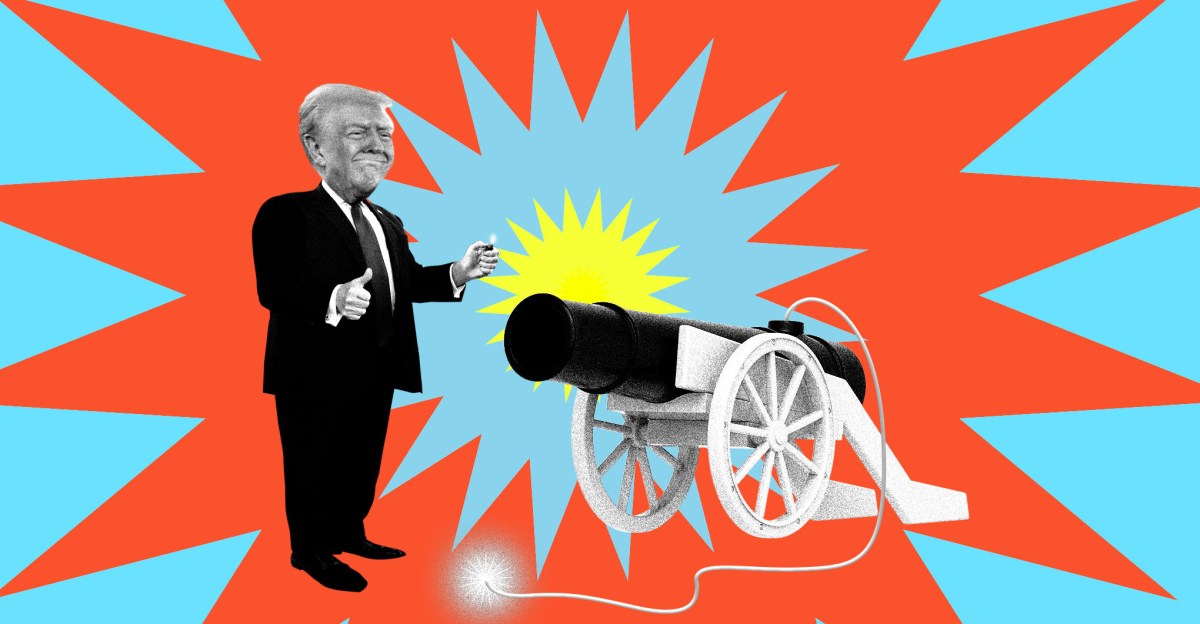
Global Trade Tensions Escalate: Are We Entering a New Era of Conflict?
The world stands at a precarious economic crossroads as major economies impose sweeping tariffs and trade restrictions, sparking fears of a full-blown global trade war. In recent weeks, the United States, European Union, and China have escalated retaliatory measures, threatening to disrupt supply chains, inflate consumer prices, and destabilize markets. Experts warn these developments could mark the beginning of a new era of economic conflict with far-reaching consequences.
The Spark That Ignited the Fire
The latest escalation began when the U.S. announced 25% tariffs on $18 billion worth of Chinese imports, targeting electric vehicles, semiconductors, and solar panels. China responded within 48 hours with duties on American agricultural products and chemicals. Meanwhile, the EU imposed provisional tariffs up to 38% on Chinese EVs, citing unfair subsidies.
“This isn’t just tit-for-tat anymore—it’s a fundamental reshaping of global trade relationships,” says Dr. Elena Rodriguez, senior fellow at the Peterson Institute for International Economics. “We’re seeing protectionism become entrenched policy rather than temporary negotiating tactics.”
Economic Fallout Across Industries
The ripple effects are already evident:
- Automobile stocks fell 6% globally in the past month
- Shipping container rates from Asia to Europe surged 120% year-over-year
- WTO forecasts global trade growth will slow to 1.7% in 2024, down from 3.4% in 2023
Manufacturers face impossible choices. “We built our supply chains assuming open markets,” explains James Chen, CEO of a multinational electronics firm. “Now we’re spending millions redesigning production networks that took decades to perfect.”
The Geopolitical Dimensions of Trade Wars
Beyond economics, these conflicts reflect deeper strategic rivalries. The U.S. aims to reduce dependence on Chinese technology while bolstering domestic industries through the CHIPS Act and Inflation Reduction Act. China, meanwhile, views trade restrictions as containment efforts by Western powers.
Emerging markets find themselves caught in the crossfire. “When elephants fight, the grass suffers,” notes Nigerian trade minister Adebayo Olawale. “African nations relying on commodity exports may face collateral damage from shrinking global demand.”
Historical Parallels and Key Differences
While comparisons to 1930s protectionism abound, today’s interconnected economy presents unique challenges:
- Global supply chains are 300% more complex than in 2000
- Digital services account for 54% of cross-border commerce
- Climate policies increasingly influence trade decisions
Unlike past trade wars, current conflicts involve competing technological standards and data governance frameworks. “It’s not just about tariffs anymore,” observes Singapore-based analyst Priya Desai. “The battles over 5G networks, AI development, and rare earth minerals will define this era.”
Potential Pathways Forward
Possible scenarios emerging from the current standoff include:
- Regionalization: Formation of competing trade blocs (US-EU vs. China-Russia)
- Innovation races: Countries doubling down on domestic tech development
- New alliances: Middle powers like India and Brazil gaining negotiating leverage
The WTO remains hopeful for diplomatic solutions. “History shows trade wars benefit no one in the long run,” states Director-General Ngozi Okonjo-Iweala. “We’re facilitating urgent consultations to prevent further escalation.”
What Businesses and Consumers Should Watch
Key indicators to monitor in coming months:
- Q3 corporate earnings reports for tariff-exposed industries
- Central bank responses to potential inflation spikes
- Progress (or breakdown) in US-China working groups
Consumers may see price increases of 5-15% on affected goods, particularly electronics, vehicles, and renewable energy equipment. Small businesses dependent on global suppliers should explore diversification strategies immediately.
The Long-Term Outlook
Economists warn that sustained trade conflicts could:
- Reduce global GDP growth by 0.5-1.5% annually
- Accelerate inflation in developed nations
- Delay climate initiatives by disrupting green technology trade
Yet some see opportunities in the chaos. “Every disruption creates openings,” says venture capitalist Mark Liu. “Companies that adapt quickly to new trade realities will define the next economic order.”
As world leaders prepare for the G20 summit in November, all eyes will be on whether cooler heads can prevail. The stakes extend far beyond economics—this trade war could determine whether the 21st century sees cooperation or confrontation between the world’s superpowers.
For timely updates on how trade policies may affect your industry, subscribe to our global markets newsletter or consult our regional trade risk assessments.
See more CCTV News Daily