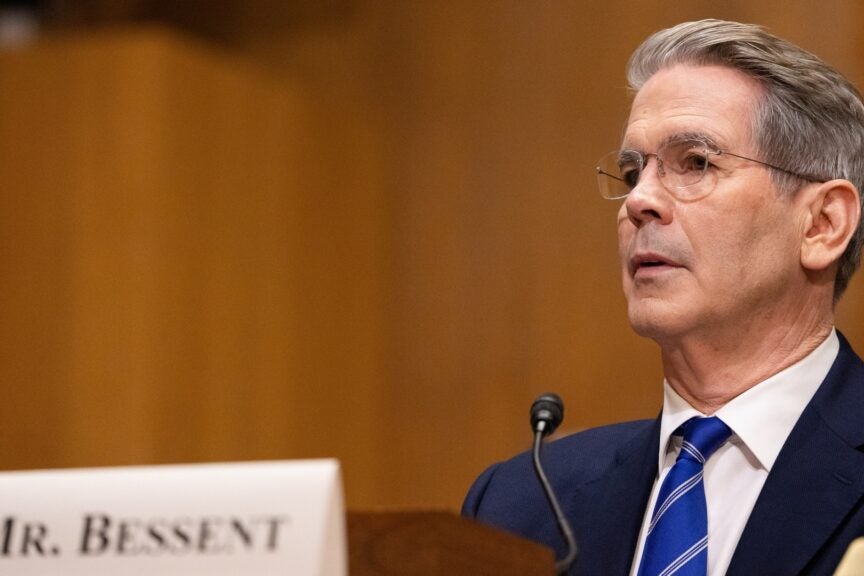
Treasury Secretary Bessent Addresses Moody’s Downgrade and Walmart’s Tariff Struggles
In a high-stakes press conference on Thursday, U.S. Treasury Secretary Eleanor Bessent responded to Moody’s credit rating downgrade and Walmart’s warnings about rising tariff costs. Speaking from the Treasury Building in Washington, D.C., Bessent emphasized fiscal resilience amid global economic headwinds while acknowledging corporate challenges. Her remarks come as inflation concerns and trade policy debates intensify ahead of the 2024 election cycle.
Moody’s Downgrade: A Wake-Up Call for Fiscal Policy
Moody’s Investors Service downgraded the U.S. government’s credit outlook from “stable” to “negative” last week, citing rising deficits and political gridlock. The agency highlighted a 40% increase in the federal debt-to-GDP ratio since 2020, now standing at 123%. While maintaining the AAA rating, Moody’s warned that “without structural fiscal reforms,” another downgrade could follow.
Secretary Bessent pushed back, stating: “This administration has reduced the deficit by $1.7 trillion over the past two years. Moody’s assessment overlooks America’s unparalleled capacity for growth and innovation.” She pointed to Q3 2023 GDP growth of 4.9% as evidence of economic vitality.
However, economists remain divided:
- Dr. Marcus Wei, Brookings Institution: “The downgrade reflects real risks. Interest payments now consume 14% of federal revenue, up from 9% in 2022.”
- Janet Lowell, Cato Institute: “This is political theater. The dollar’s reserve currency status makes U.S. debt uniquely resilient.”
Walmart’s Tariff Dilemma and Consumer Impact
Separately, Walmart CEO Doug McMillon warned that renewed tariffs on Chinese goods could force price hikes of 6-12% on electronics and apparel. The retail giant imports $50 billion annually from China, representing 15% of all U.S. consumer goods imports.
Bessent acknowledged the challenge but defended trade policies: “Strategic tariffs protect critical industries like semiconductors. We’re working with retailers to diversify supply chains through Indo-Pacific partnerships.” She noted that 63% of Walmart’s suppliers have shifted production to Vietnam or India since 2020.
Retail analysts highlight a paradox:
- Tariffs generated $85 billion in federal revenue since 2021
- But consumer prices rose 3.2% year-over-year, with imported goods up 5.4%
The Intersection of Policy and Corporate Strategy
Bessent’s dual focus on macroeconomic stability and microeconomic impacts reveals the tightrope walk facing policymakers. Walmart’s stock dipped 2.3% after its earnings call, reflecting investor concerns about squeezed margins.
Long-Term Implications for the U.S. Economy
The Treasury Secretary outlined three mitigation strategies:
- Accelerating the CHIPS Act subsidies to reduce tech import reliance
- Expanding the Inflation Reduction Act’s domestic manufacturing credits
- Negotiating tariff exemptions for essential medical supplies
Critics argue these measures take years to bear fruit. “Consumers face pain now for theoretical gains later,” said Retail Industry Leaders Association spokesperson Lydia Choi. Meanwhile, the National Retail Federation projects holiday sales growth will slow to 3.5%—the lowest since 2019.
What Comes Next: Election-Year Economic Crossroads
With 11 months until the election, the administration faces mounting pressure to balance protectionism with affordability. Key developments to watch:
- December 15: Deadline for Section 301 tariff reviews
- Q1 2024: Expected Fed rate cuts that could ease borrowing costs
- March 2024: Debt ceiling negotiations resume
As Bessent concluded: “Our focus remains on sustainable growth that lifts all sectors.” For businesses and households alike, the path forward hinges on navigating these competing priorities.
For real-time updates on fiscal policy impacts, subscribe to our Economic Pulse newsletter.
See more CCTV News Daily