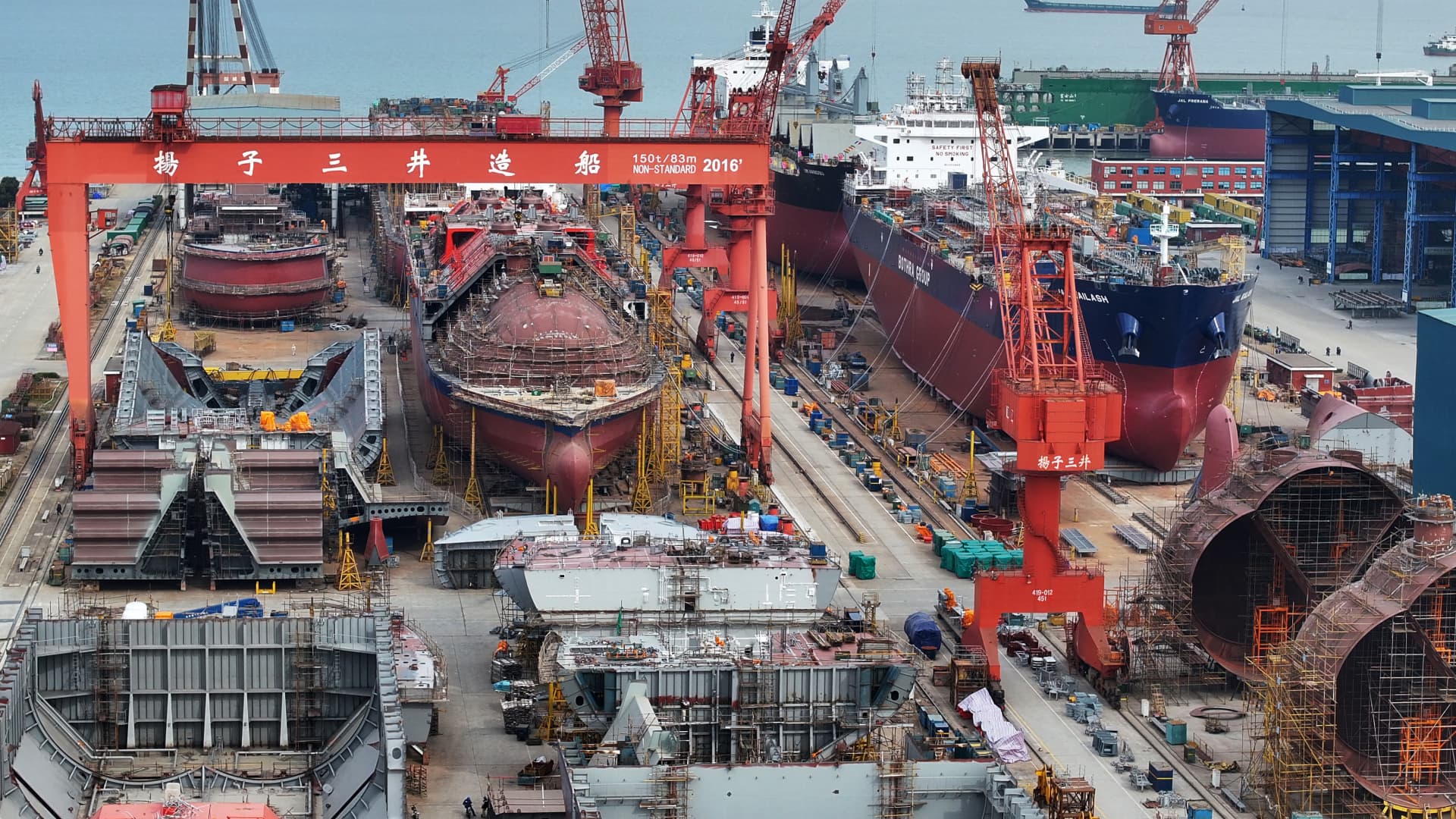
In an unexpected move, former President Donald Trump is intensifying the economic standoff with China by focusing on the shipping industry, particularly targeting China-made containerships. This latest strategy highlights the ongoing tensions in global trade and has profound implications for maritime logistics. As we delve deeper into this issue, it’s essential to understand both the historical context and the potential ramifications of such actions.
The Context of Trade Tensions
The relationship between the United States and China has been fraught with tension for years, especially since the trade war that began in 2018. At the heart of these disputes lies a fundamental struggle for economic dominance in an increasingly interconnected world. Many analysts argue that the shipping industry is a critical battlefield in this economic war, as it serves as the backbone of global trade.
In recent years, Trump has consistently criticized China’s trade practices, alleging unfair competition and intellectual property theft. His administration implemented tariffs on a wide range of Chinese goods, prompting retaliatory measures from Beijing. The focus on China-made containerships is a continuation of this strategy, targeting a key component of the global supply chain.
Why Target Containerships?
Containerships are vital for transporting goods across the globe. They carry everything from electronics to clothing, making them indispensable to international trade. By targeting these vessels, Trump aims to make a broader statement about America’s resolve to combat what he perceives as unfair trade practices.
- Economic Leverage: By restricting the use of Chinese-made vessels, the U.S. could create a supply chain disruption that forces businesses to reconsider their reliance on China.
- Symbolism: This move sends a strong message to both domestic and international audiences about America’s stance on trade with China.
- National Security: There are concerns about the security implications of relying on foreign-made ships, particularly in sensitive sectors.
Implications for Maritime Logistics
Trump’s focus on China-made containerships opens up a plethora of logistical challenges and opportunities for businesses engaged in maritime trade.
Challenges
Businesses that rely heavily on Chinese shipping may find themselves facing significant disruptions. Here are some potential challenges:
- Increased Costs: Companies might have to pay higher prices for alternative shipping options, which could lead to increased prices for consumers.
- Supply Chain Disruptions: Sudden changes in shipping policies could lead to delays and logistical nightmares as companies scramble to find alternative suppliers.
- Regulatory Compliance: Businesses will need to navigate new regulations that may arise from these targeted actions, adding another layer of complexity.
Opportunities
On the flip side, this strategy could also present opportunities for American shipping companies and manufacturers:
- Domestic Manufacturing Growth: A shift away from Chinese vessels could encourage domestic manufacturing, as companies seek to meet new shipping needs.
- Investment in Innovation: Increased demand for American-made ships may prompt innovation in the maritime industry, leading to more efficient and environmentally friendly vessels.
- New Trade Partnerships: This could pave the way for new trade agreements with other countries, diversifying the global supply chain.
The Global Response
As the U.S. navigates this new economic battlefield, the global reaction is likely to be multifaceted. Countries around the world will be watching closely, as these developments could alter trade dynamics significantly.
China is expected to respond with countermeasures, potentially targeting American goods and services. This tit-for-tat approach could escalate tensions further, impacting global markets and leading to economic instability.
The Role of Technology in Maritime Trade
As we consider the future of shipping and trade, it’s essential to recognize the increasing role of technology. Innovations such as blockchain, artificial intelligence, and automation are transforming how goods are transported and tracked.
These technologies can help mitigate some of the challenges posed by Trump’s focus on China-made containerships. For example, blockchain can enhance transparency and efficiency in supply chains, while AI can optimize shipping routes and logistics.
Looking Ahead: A Strategic Approach
Moving forward, it’s crucial for businesses and policymakers to adopt a strategic approach to navigate the complexities of global trade. Here are some considerations:
- Diversification: Companies should consider diversifying their supply chains to reduce dependency on any single country or source.
- Investing in Domestic Capabilities: Strengthening local manufacturing and shipping capabilities can enhance resilience against global disruptions.
- Engaging in Diplomatic Efforts: Building diplomatic relationships can help mitigate tensions and foster cooperative trade practices.
Conclusion
As former President Trump intensifies his focus on China-made containerships, the world watches closely. This bold move underscores the ongoing economic tensions between the U.S. and China, showcasing the shipping industry as a critical battlefield in this conflict.
While challenges are inevitable, there are also opportunities for innovation and growth within the maritime logistics sector. By adopting a strategic approach and embracing technological advancements, both businesses and policymakers can better navigate this new economic landscape. Ultimately, the future of global trade will depend on how effectively all parties can adapt to these shifts and find common ground in an increasingly interconnected world.
See more CCTV News Daily