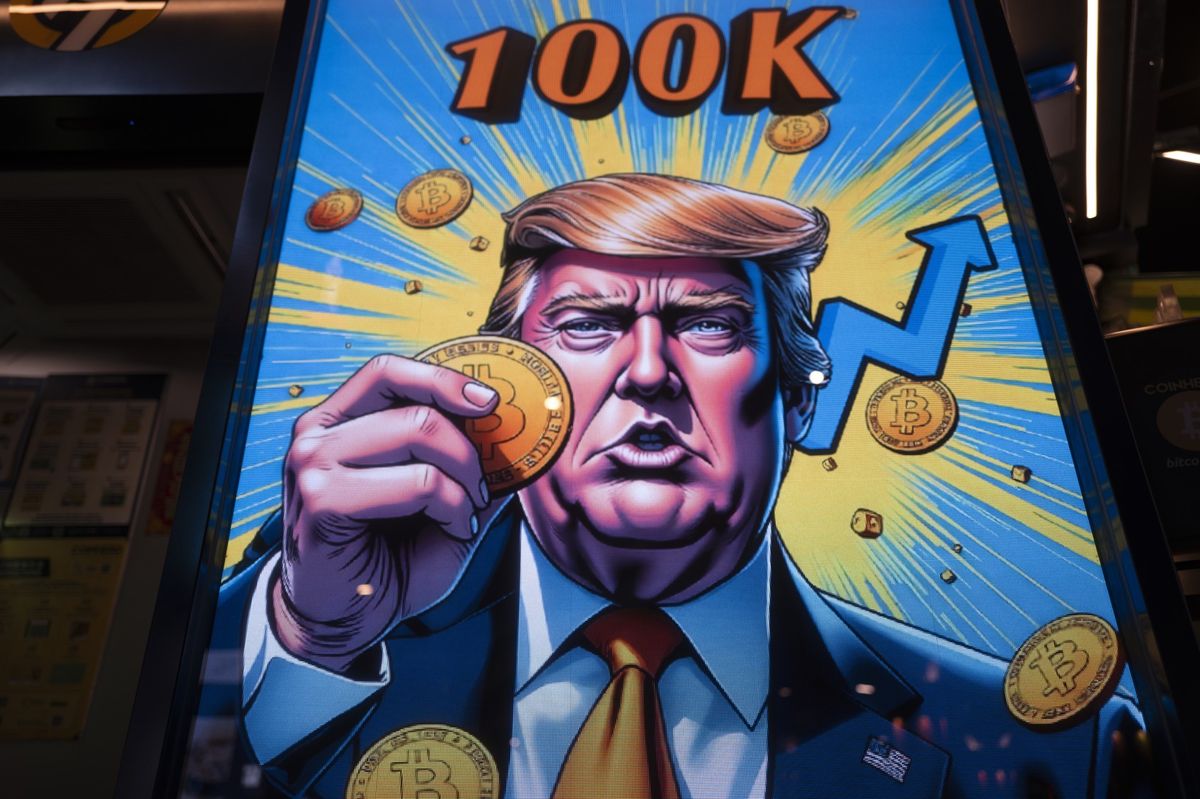
Unraveling the Controversy: Trump’s Cryptocurrency Reserve Strategy Stirs Economic Debate
As former President Donald Trump unveils his cryptocurrency reserve plan, economists express growing concerns over its potential impact on the financial landscape. This bold strategy aims to integrate a substantial reserve of cryptocurrency into the national economic framework, a move that has ignited both fervent support and intense criticism. In this article, we will delve into the implications of Trump’s cryptocurrency reserve strategy and explore the varied reactions from experts in the field.
Understanding Trump’s Cryptocurrency Reserve Strategy
Trump’s announcement regarding a cryptocurrency reserve strategy came as part of a broader effort to modernize the American economy. The concept revolves around the government holding and managing a reserve of digital currencies, potentially including Bitcoin and Ethereum, to bolster financial resilience and encourage innovation within the financial sector.
The main tenets of this strategy include:
- Economic Diversification: By adding cryptocurrencies to the national reserve, the strategy aims to diversify the nation’s financial assets, potentially reducing reliance on traditional currencies and financial systems.
- Innovation in Financial Technology: The initiative seeks to position the United States as a leader in the burgeoning field of financial technology, enhancing its global competitiveness.
- Improving Financial Inclusion: The plan also emphasizes the potential for cryptocurrencies to provide banking services to the underbanked populations, thus fostering greater financial inclusion.
The Economic Implications of the Cryptocurrency Reserve Strategy
The implications of Trump’s cryptocurrency reserve strategy are multi-faceted and complex. Economists are divided on how this approach could reshape the financial landscape. Here are some key perspectives:
- Potential for Economic Growth: Proponents argue that integrating cryptocurrency into national reserves could stimulate economic growth. The influx of digital assets may lead to increased investment in technology and infrastructure.
- Volatility and Risk Concerns: Critics highlight the inherent volatility of cryptocurrencies. The significant price fluctuations associated with digital currencies could pose risks to the stability of the national economy, leading to potential crises akin to those seen in the stock market.
- Regulatory Challenges: The implementation of such a strategy would necessitate a comprehensive regulatory framework. There are concerns that the current regulatory environment may not be equipped to handle the complexities associated with cryptocurrency management.
Responses from Economists and Financial Experts
The announcement has garnered a spectrum of responses from economists and financial experts, reflecting the polarized nature of the debate. Here are some notable viewpoints:
- Optimistic Views: Some experts believe that a cryptocurrency reserve could provide a hedge against inflation, particularly in a time of rising consumer prices. The potential for cryptocurrencies to act as a store of value is seen as an attractive feature.
- Pessimistic Perspectives: Conversely, several economists warn that a cryptocurrency reserve could undermine trust in the U.S. dollar. The fear is that associating national reserves with highly speculative assets might lead to a loss of confidence in traditional monetary policy.
- Calls for Caution: Many experts urge a cautious approach. They stress the importance of extensive research and analysis before committing to such a transformative strategy. The potential for unforeseen consequences necessitates a deliberate and measured response.
Comparative Analysis: Global Perspectives on Cryptocurrency Reserves
Trump’s cryptocurrency reserve strategy is not occurring in a vacuum. Various countries are exploring their own approaches to integrating digital currencies into their economies. For instance:
- El Salvador: The country became the first to adopt Bitcoin as legal tender, aiming to attract investments and facilitate remittances. While it has garnered attention, the long-term effects remain to be seen.
- China: China is developing its digital currency, the Digital Currency Electronic Payment (DCEP), positioning itself at the forefront of the digital currency race. This move has raised concerns about the implications for global currency dynamics.
- European Central Bank: The ECB is exploring the concept of a digital euro, indicating a growing interest among major economies in the potential benefits of digital currencies.
The Political Landscape and Its Impact on Cryptocurrency
Trump’s cryptocurrency reserve strategy is not just an economic initiative; it is deeply intertwined with the political landscape. Reactions from various political factions will undoubtedly shape the future of this proposal. Here are a few critical observations:
- Support from the Right: Many conservatives view Trump’s strategy as a means to promote free-market principles and reduce governmental control over the financial system.
- Opposition from the Left: Progressive voices express concern over the potential for cryptocurrencies to facilitate illicit activities and exacerbate wealth inequality. They may push for greater regulation and oversight.
- Public Sentiment: Public opinion on cryptocurrencies remains mixed. While some individuals see them as the future of finance, others remain skeptical, citing environmental concerns and the potential for fraud.
Looking Ahead: The Future of Trump’s Cryptocurrency Reserve Strategy
As Trump’s cryptocurrency reserve strategy unfolds, its success will depend on a variety of factors, including regulatory developments, market conditions, and political support. The ongoing evolution of the cryptocurrency landscape will undoubtedly influence the trajectory of this ambitious initiative. Here are some potential future scenarios:
- Successful Integration: If implemented effectively, Trump’s strategy could pave the way for a new era of financial innovation, positioning the U.S. as a leader in the global cryptocurrency market.
- Potential Backlash: On the flip side, if the strategy leads to economic instability or public backlash, it could result in a reevaluation of how cryptocurrencies are perceived and regulated in the U.S.
- Global Influence: The outcome of this strategy could also influence how other nations approach cryptocurrency reserves, potentially leading to a ripple effect in global economic policies.
In conclusion, Trump’s cryptocurrency reserve strategy is a bold and controversial move that has sparked intense debate among economists and financial experts. While it holds the promise of innovation and economic growth, significant risks and challenges remain. As the nation navigates this uncharted territory, the impacts of this strategy will undoubtedly shape the future of finance in the United States and beyond.
See more CCTV News Daily