Analyzing the Impact of Trump’s First Job Report on Economic Trends
The release of President Trump’s inaugural job report has sparked significant interest and debate among economists, policymakers, and the general public alike. This report, which reflects the state of the labor market early in his administration, raises critical questions about its implications for the broader economy. As we delve into the data, it is essential to uncover insights that could shape future economic policy and growth. In this article, we will analyze the job report’s content, its immediate effects on economic trends, and the potential long-term ramifications.
Understanding the Job Report: Key Metrics
Job reports are crucial indicators of economic health, providing insights into employment rates, wage growth, and industry performance. Trump’s first job report, released in early 2017, highlighted several key metrics:
- Unemployment Rate: The report showed a decline in the unemployment rate, which was a positive signal for the economy.
- Job Creation: The number of jobs added to the economy during this period was a focal point, with expectations set against previous administrations.
- Wage Growth: Analyzing average hourly earnings provided insights into consumer spending potential and overall economic vitality.
These metrics serve as a foundation for understanding the economic landscape and evaluating how Trump’s policies may influence these areas.
The Unemployment Rate: A Closer Look
The unemployment rate is often viewed as a primary indicator of economic health. In Trump’s first job report, the unemployment rate showed a decrease from the previous month. This decline can be attributed to several factors:
- Increased Business Confidence: Following Trump’s election, businesses anticipated favorable policies, prompting hiring increases.
- Consumer Spending: A robust consumer market encourages businesses to expand, leading to more job openings.
- Seasonal Adjustments: The report was influenced by seasonal employment patterns, particularly in retail and hospitality sectors.
While the decreasing unemployment rate was a positive sign, experts cautioned against viewing it in isolation. Contextual analysis is essential to understand the underlying dynamics of the labor market.
Job Creation: Expectations vs. Reality
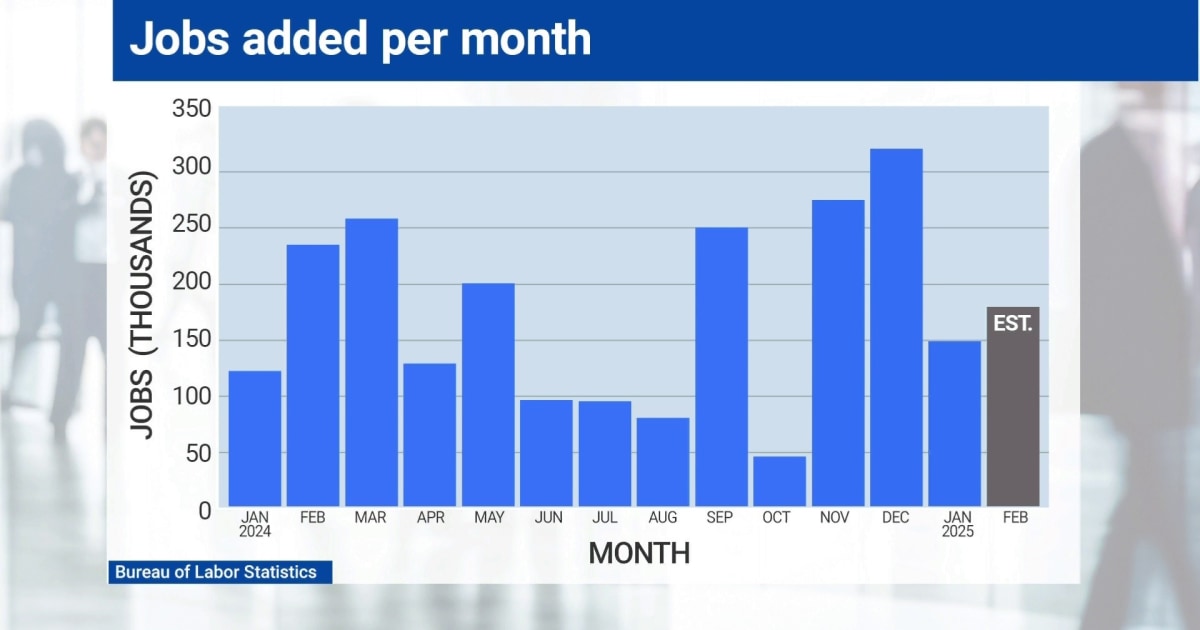
Job creation is another crucial element of any job report, and Trump’s first report revealed a net increase in jobs that exceeded expectations. However, it’s vital to analyze where these jobs were being created:
- Manufacturing Sector: A notable uptick in manufacturing jobs was reported, aligning with Trump’s campaign promises to revitalize American manufacturing.
- Service Industry: The service sector continued to see growth, particularly in healthcare and technology.
- Regional Variations: Job creation varied significantly by region, with some states experiencing more robust growth than others.
The job creation numbers raised optimism about the economy but also ignited debates about the sustainability of these gains. Critics pointed out that many of the jobs created were in lower-wage sectors, raising concerns about wage stagnation and income inequality.
The Wage Growth Conundrum
Wage growth is a critical factor in assessing economic health, as it directly impacts consumer spending. In Trump’s first job report, wage growth was modest, which led to mixed reactions:
- Inflationary Pressures: Some economists argued that stagnant wages could hinder consumer spending and thus slow economic growth.
- Labor Market Dynamics: The report indicated that while jobs were being created, many were not offering substantial wage increases, which could affect overall economic vitality.
- Policy Implications: The modest wage growth raised questions about the effectiveness of Trump’s proposed economic policies in addressing income inequality.
Understanding the interplay between job creation and wage growth is essential for policymakers aiming to stimulate the economy effectively.
Market Reactions and Investor Sentiment
The release of Trump’s first job report also had immediate effects on financial markets. Investor sentiment often reacts swiftly to economic data:
- Stock Market Movements: Positive job data typically boosts stock prices as investors gain confidence in economic growth.
- Bond Yields: Conversely, if wage growth is perceived as stagnant, bond yields may decrease as investors seek safer assets.
- Sector Performance: Specific sectors, such as financials and consumer discretionary, often react differently to employment data based on their exposure to consumer spending.
The interplay between job reports and market reactions illustrates the broader economic sentiment and can influence future investment decisions.
Long-Term Economic Implications
While the immediate effects of Trump’s first job report were positive, the long-term implications are more complex. Several factors need consideration:
- Policy Direction: The report’s data could shape future economic policies, including tax reforms and infrastructure spending.
- Global Economic Context: The U.S. economy does not exist in a vacuum; global economic trends will impact domestic job growth and wage dynamics.
- Technological Advancements: Automation and technological shifts may alter job availability and wage structures in the long run.
Understanding these long-term factors is crucial for policymakers and economists as they navigate the complexities of the economy.
Conclusion: Assessing the Broader Economic Landscape
Trump’s first job report presented a mixed picture of the U.S. economy, with notable decreases in unemployment and job creation, yet modest wage growth raised questions about the sustainability of these trends. As experts analyze the data, it is evident that this report will play a pivotal role in shaping future economic policies and discussions.
Ultimately, the implications of this job report extend beyond immediate figures; they reflect the ongoing challenges and opportunities facing the American economy. By understanding these nuances, stakeholders can better prepare for the economic landscape ahead, fostering policies that aim for sustainable growth and equitable prosperity.
See more CCTV News Daily