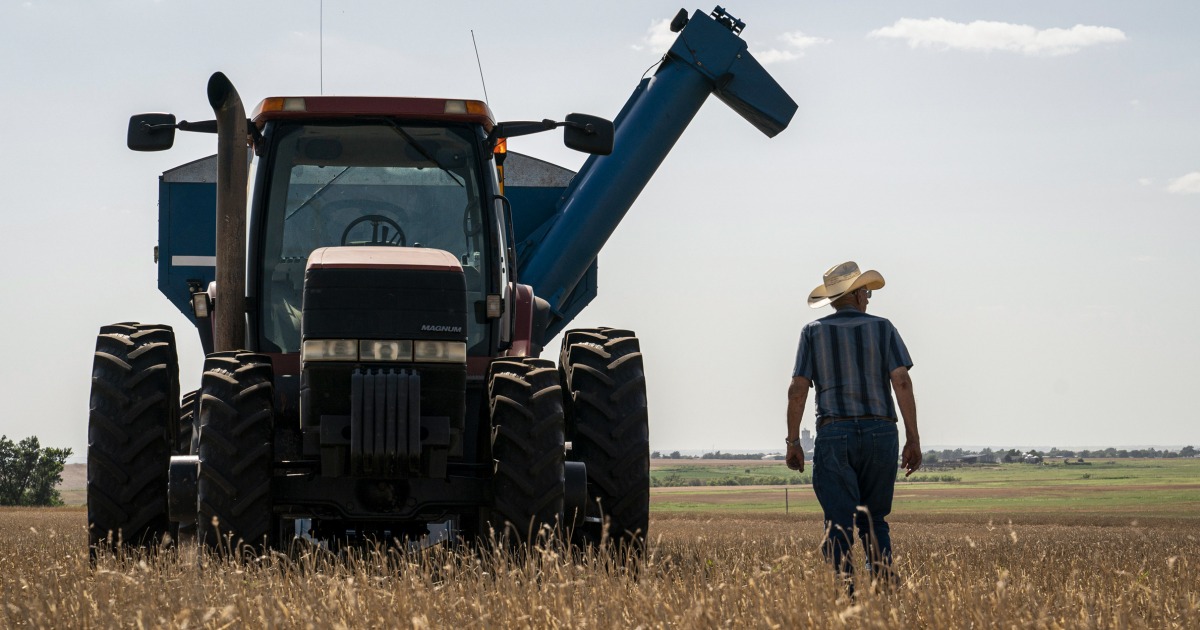
The Hidden Cost of Trump’s Funding Freeze on American Agriculture
In recent years, American agriculture has faced a myriad of challenges, many of which have been exacerbated by political decisions at the highest levels. One of the most impactful decisions was the funding freeze initiated during Donald Trump’s presidency, which has left a lasting mark on farmers and consumers alike. As funding cuts ripple through the agricultural sector, American farmers face unprecedented challenges that threaten their livelihoods and drive grocery prices higher. This article delves into the implications of these political decisions on everyday consumers and the farming community.
The Background of Funding Freeze
The funding freeze in question stemmed from a broader political agenda aimed at reducing government spending. This decision was particularly impactful for the agricultural sector, which has historically relied on federal support for various programs, including subsidies, crop insurance, and disaster relief. Cuts in funding not only affected direct financial assistance but also limitations on research funding, infrastructure development, and educational programs that are vital for modern farming practices.
During Trump’s administration, the focus shifted toward deregulation and reducing the federal budget, often at the expense of agricultural support. While some may argue that this approach encourages self-sufficiency, the reality is that many farmers operate on finely balanced margins where even a small disruption can lead to significant financial distress.
The Immediate Impact on Farmers
Farmers across the United States have felt the pinch of funding cuts in several ways:
- Reduced Subsidies: Many farmers rely on government subsidies to stabilize their income, especially in the face of fluctuating market prices. The freeze on funding has led to reduced subsidies, making it difficult for farmers to plan for the future.
- Increased Costs: When funding for agricultural research and development is cut, farmers lose access to advancements that could make their operations more efficient and cost-effective. This includes everything from drought-resistant crops to sustainable farming practices.
- Loss of Support Services: Extension services, which provide crucial information and support to farmers, have also been affected. With fewer resources, these services can’t support farmers as effectively, leading to a knowledge gap that can hinder productivity.
As a consequence, many farmers are now facing higher operational costs and lower profit margins, which can culminate in farm closures, particularly for small and medium-sized operations. This not only affects the farmers but also the communities that rely on these farms for employment and economic stability.
The Ripple Effect on Consumers
The repercussions of Trump’s funding freeze don’t stop at the farm gate. They extend all the way to the grocery store shelves. As farmers struggle to maintain their operations, the cost of food inevitably rises. Here’s how:
- Higher Grocery Prices: As production costs increase due to the lack of subsidies and support, farmers are compelled to pass these costs onto consumers. This leads to higher grocery prices, which can disproportionately affect low-income families.
- Reduced Variety: With fewer resources, some farmers may opt to grow only the most profitable crops, leading to a decrease in the variety of food available. This not only affects consumer choice but also impacts nutrition.
- Supply Chain Disruptions: The agricultural sector is intertwined with various industries, including transportation and retail. When farmers cut back on production due to financial distress, it can lead to supply chain issues that further exacerbate food scarcity and price increases.
The Long-Term Consequences for Agriculture
The long-term consequences of Trump’s funding freeze on American agriculture can be profound. These cuts compromise the sustainability of farming practices and the resilience of rural communities. Some of the critical long-term implications include:
- Loss of Competitive Edge: U.S. agriculture has long been a leader in global markets. However, without investment in research and technology, American farmers risk falling behind competitors from countries that continue to invest heavily in agricultural innovation.
- Declining Rural Economies: Many rural communities depend on agriculture as their primary economic driver. As farms close or scale back operations, local businesses suffer, leading to a decline in rural economies.
- Environmental Consequences: Funding cuts can lead to a reduction in programs focused on sustainable farming practices, which can have detrimental effects on soil health, water quality, and biodiversity.
Possible Solutions and Future Directions
Despite the challenges posed by the funding freeze, there are potential pathways to recovery and improvement for American agriculture:
- Advocacy for Agricultural Support: Farmers and agricultural organizations must continue to advocate for policies that provide necessary funding and support. Engaging with lawmakers and educating them on the importance of agriculture can lead to more favorable outcomes.
- Investment in Technology: Farmers can explore investments in technology and sustainable practices that increase efficiency and reduce costs, thereby mitigating some of the adverse effects of funding cuts.
- Community Initiatives: Local communities can rally together to support farmers through farmer’s markets, cooperatives, and other initiatives aimed at enhancing local food systems.
In conclusion, the hidden cost of Trump’s funding freeze on American agriculture extends far beyond the immediate financial implications for farmers. It encompasses rising grocery prices, diminished food variety, and long-term sustainability challenges. However, by fostering advocacy, innovation, and community support, there is hope for a resilient agricultural future that can withstand the political uncertainties of the past. The road ahead may be fraught with challenges, but with concerted efforts and strategic initiatives, American agriculture can emerge stronger and more sustainable for generations to come.
See more CCTV News Daily