“`html
How Trump’s Policies are Reshaping Global Economic Dynamics
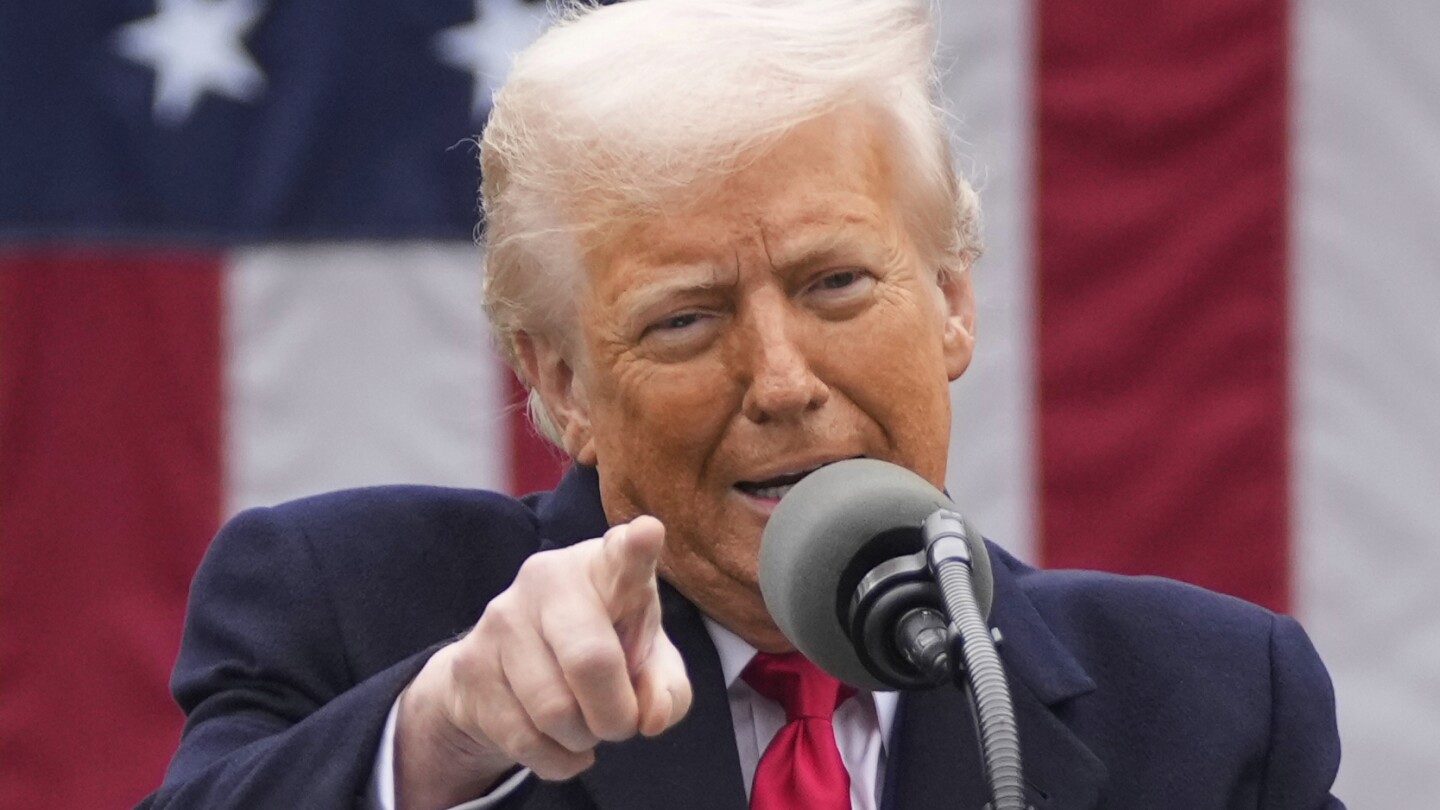
Former President Donald Trump’s economic policies are sending shockwaves through international markets, challenging decades-old trade agreements and reshaping the global economic landscape. Since announcing his 2024 campaign, Trump’s proposals for aggressive tariffs, manufacturing incentives, and energy dominance have sparked debates among economists, policymakers, and business leaders worldwide. These shifts come at a pivotal moment as nations grapple with inflation, supply chain realignments, and geopolitical tensions.
The Return of ‘America First’ Trade Policies
Trump’s renewed push for sweeping tariffs—including a proposed 10% universal levy on imports—threatens to upend global supply chains that have stabilized since the pandemic. Data from the Peterson Institute for International Economics suggests such tariffs could reduce global trade flows by $500 billion annually. “This isn’t just about trade balances—it’s a fundamental reordering of how nations interact economically,” says Dr. Elena Rodriguez, senior fellow at the Council on Foreign Relations.
Key impacts include:
- Potential 15-20% cost increases for European auto manufacturers exporting to the U.S.
- Disruption to Asian electronics supply chains that rely on Chinese components
- Renewed pressure on NATO allies to increase defense spending as a trade condition
Energy Markets and the Climate Policy Divide
Trump’s pledge to “drill, baby, drill” has already influenced OPEC+ production decisions, with Brent crude prices fluctuating 8% since his primary victories. The former president’s commitment to expanding fossil fuel production contrasts sharply with EU climate mandates, creating what energy analyst Mark Williams calls “a new era of energy diplomacy where economic might overrides environmental pledges.”
Recent developments show:
- U.S. oil production reached record 13.3 million barrels/day in Q1 2024
- Clean energy stocks fell 12% following Trump’s criticism of EV mandates
- EU carbon credit prices dropped to 9-month lows on demand concerns
Global Reactions to Shifting U.S. Economic Priorities
Foreign governments are preparing contingency plans as Trump’s policy framework takes shape. China has accelerated its “dual circulation” strategy, reducing reliance on Western markets, while Germany’s industrial sector warns of potential job losses from trade disputes. “When the U.S. sneezes, the world still catches cold—but now they’re also bracing for hurricanes,” notes International Monetary Fund deputy director Rajiv Patel.
The Currency Wars Front
Trump’s accusations of currency manipulation have resurfaced, with the dollar index (DXY) showing unusual volatility. Treasury Department data reveals:
- Yen interventions by Japan reached $35 billion in April 2024
- Chinese yuan holdings in global reserves fell to 2.1% (from 2.8% in 2022)
- Eurozone exporters lobbying for ECB intervention as euro strengthens
“Currency markets have become the silent battleground of this new economic era,” says former Fed economist Laura Chen. “The rules-based system established post-WWII is being stress-tested like never before.”
Long-Term Implications for the International Order
Beyond immediate market impacts, Trump’s policies are accelerating three structural shifts in global economics:
1. Regional Blocs Replace Globalization
Trade between neighboring countries has grown 18% faster than transcontinental trade since 2020, World Bank data shows. Mexico now supplies 15.4% of U.S. imports—its highest share ever.
2. Defense and Economics Merge
The line between trade policy and national security continues blurring, with 37 countries now screening foreign investments in critical industries versus just 12 in 2015.
3. Dollar Dominance Faces Challenges
While still commanding 58% of global reserves (IMF data), alternative payment systems like China’s CIPS processed $12.6 trillion in 2023—up 47% from 2020.
What Comes Next in the Evolving Economic Landscape?
As markets adapt to this new reality, businesses face complex decisions about supply chains, currency hedging, and political risk management. The World Trade Organization forecasts global growth could slow by 0.7 percentage points annually if current tensions escalate further.
“We’re witnessing the economic equivalent of continental drift,” observes Georgetown University professor David Klein. “The plates are moving whether we’re ready or not.”
For investors and policymakers seeking to navigate these changes, staying informed through nonpartisan sources like the Bipartisan Policy Center and OECD economic outlooks will be crucial in the coming months.
“`
See more CCTV News Daily