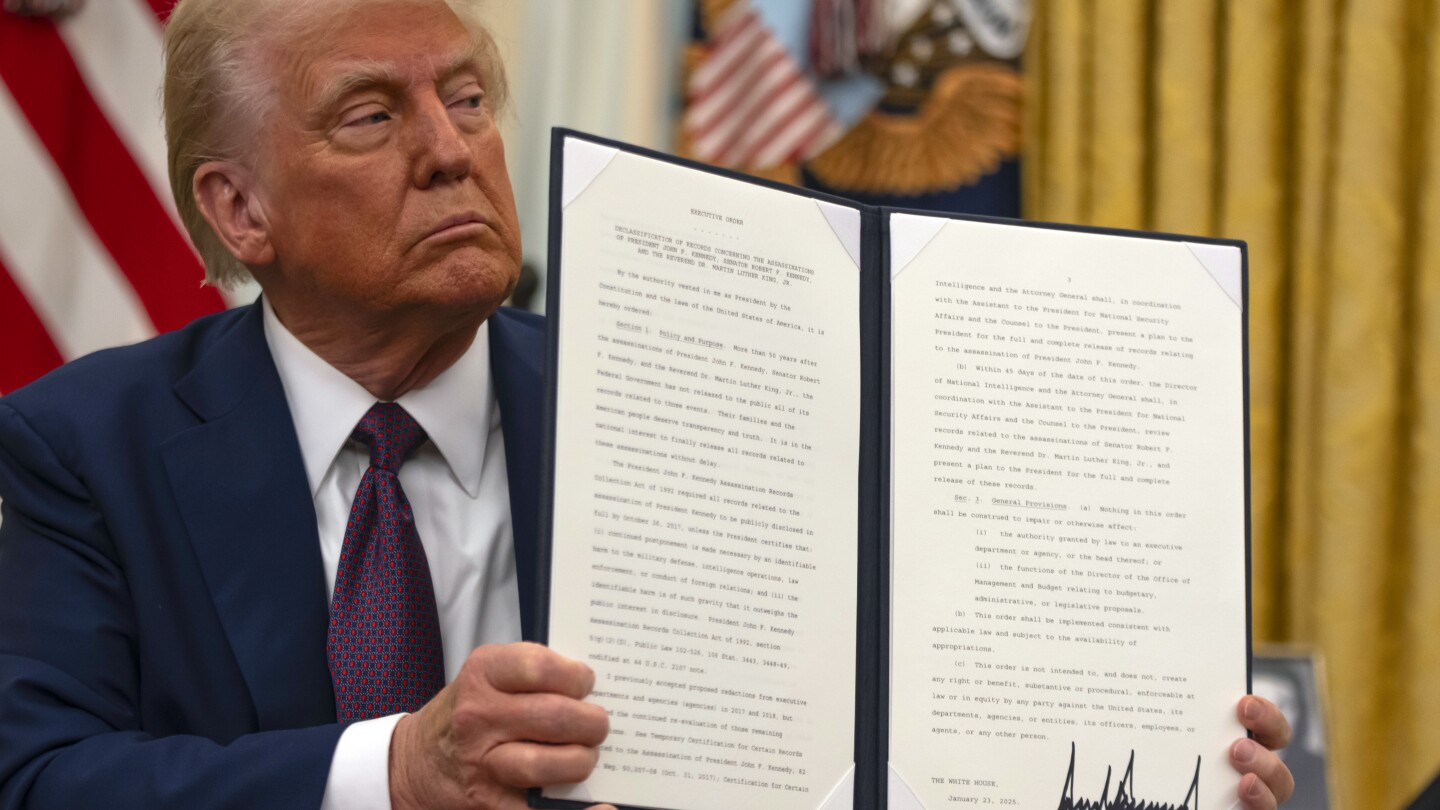
Inflation on the Back Burner: What’s Next for Consumer Prices Under Trump?
In a surprising shift, former President Donald Trump has recently downplayed inflation as a primary concern for his economic strategy. This unexpected stance raises significant questions about his approach to consumer prices and what it means for the American economy moving forward. As inflation continues to fluctuate in the post-pandemic landscape, understanding Trump’s perspective becomes critical for consumers and policymakers alike.
Understanding the Current Inflation Landscape
Inflation has been a hot topic since the onset of the COVID-19 pandemic, with supply chain disruptions, labor shortages, and increased demand leading to soaring prices across various sectors. From groceries to gas, consumers have felt the pinch, and the Federal Reserve has taken aggressive measures to combat rising inflation through interest rate hikes.
In recent months, reports indicate that inflation rates have shown signs of stabilizing, but the concern remains palpable. For many, inflation is a tangible issue that impacts daily life, making Trump’s dismissal of it as a top priority all the more puzzling. So, what does this mean for consumers?
Trump’s Economic Strategy: A Shift in Focus
Historically, Trump has championed a pro-business, America-first economic agenda that emphasizes deregulation and tax cuts. His recent downplaying of inflation suggests a strategic pivot towards stimulating growth and job creation rather than focusing solely on price stability. This shift could be interpreted as an attempt to reassure businesses and investors that the administration prioritizes economic recovery over inflation concerns.
Some key components of Trump’s economic strategy include:
- Tax Incentives: Encouraging investment through tax breaks for businesses.
- Deregulation: Reducing bureaucratic barriers to foster innovation and growth.
- Trade Policies: Aiming for fair trade agreements that benefit American workers.
This approach may resonate well with certain voter demographics who are more concerned about job creation and economic growth than rising prices.
The Implications for Consumers
While Trump’s focus may be on stimulating growth, consumers may face mixed outcomes. Here are a few potential implications:
- Short-Term Relief: If his administration successfully stimulates growth, this could lead to job creation and increased wages, which might offset some inflationary pressures.
- Long-Term Consequences: Ignoring inflation risks could lead to unchecked price increases, eroding purchasing power over time.
- Market Volatility: The focus on growth at the expense of inflation control could lead to uncertainty in financial markets, impacting investments and savings.
Consumer sentiment plays a crucial role in shaping the economy. As prices fluctuate, consumers may adjust their spending habits, which can have a ripple effect on businesses and the overall economy. If consumers perceive Trump’s downplaying of inflation as a sign of economic stability, they may be more inclined to spend, boosting economic growth.
However, if inflation continues to erode purchasing power, consumer confidence may wane, leading to reduced spending and potentially stalling economic growth. Thus, the balance between growth and inflation management becomes pivotal.
Alternatives to Current Economic Strategies
While Trump’s economic strategy emphasizes growth, some economists argue that a more balanced approach is necessary. An effective economic strategy should include:
- Inflation Targeting: Setting clear inflation targets to guide monetary policy and maintain consumer confidence.
- Supply Chain Investments: Investing in domestic supply chains to mitigate future disruptions.
- Consumer Protection: Implementing measures to protect consumers from price gouging and unfair practices during inflationary periods.
Such strategies could provide a safety net for consumers while still promoting economic growth, ensuring that inflation does not spiral out of control.
Looking Ahead: What’s Next for Consumer Prices?
As the economic landscape continues to evolve, several key factors will influence consumer prices in the coming months:
- Federal Reserve Policies: The Fed’s decisions regarding interest rates will play a critical role in controlling inflation and influencing consumer spending.
- Global Economic Conditions: International trade dynamics and geopolitical tensions could impact supply chains and commodity prices.
- Consumer Demand: As consumer confidence fluctuates, demand for goods and services will significantly influence pricing.
Ultimately, Trump’s downplaying of inflation raises questions about the sustainability of his economic policies. The focus on growth and job creation must be balanced with the need for price stability. As consumers navigate this uncertain terrain, staying informed about economic trends and government policies will be essential for making sound financial decisions.
Conclusion: A Call for Balanced Economic Strategies
The current economic climate presents both challenges and opportunities. While Trump’s shift in focus may provide short-term relief, it is crucial to address the long-term implications of inflation on consumer prices. A balanced approach that encompasses growth, inflation control, and consumer protection is vital for ensuring a stable economic future.
As we look ahead, it will be interesting to observe how Trump’s economic strategy unfolds and what it ultimately means for consumers across the nation. Staying informed and engaged in economic discussions can empower consumers to navigate the complexities of the market while advocating for policies that prioritize their interests.
See more CCTV News Daily