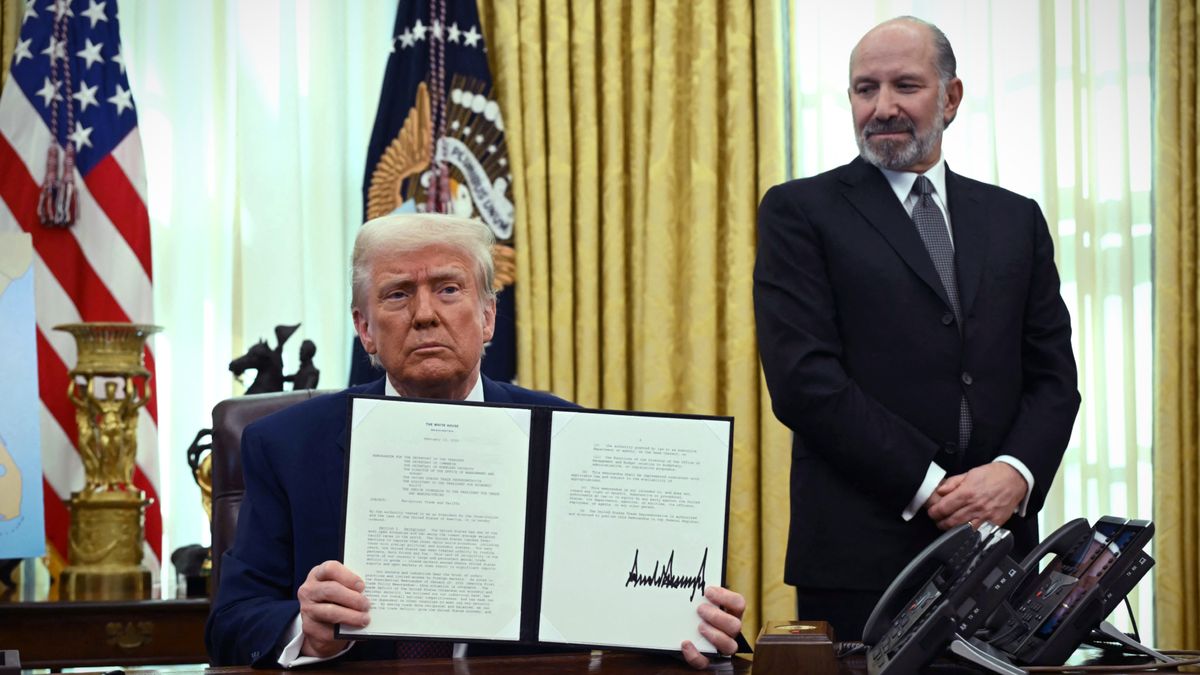
Understanding Trump’s Vision: The Implications of ‘Reciprocal’ Tariffs
In a significant announcement, former President Donald Trump has unveiled his strategy for implementing broad ‘reciprocal’ tariffs, a concept that promises to reshape the landscape of international trade and has the potential for profound implications on the U.S. economy. As we delve into this vision, it’s crucial to unpack what ‘reciprocal’ tariffs entail, their expected impact on global trade relations, and the potential consequences for American consumers and businesses alike.
What Are ‘Reciprocal’ Tariffs?
‘Reciprocal’ tariffs refer to a trade policy whereby a country imposes tariffs on imports from another country that has already levied tariffs against its own exports. The idea is to create a level playing field by ensuring that trade barriers are mutual between trading partners. Trump’s approach suggests that if one country imposes tariffs on American goods, the U.S. will respond in kind, thereby promoting fairness in trade practices.
This strategy, while seemingly straightforward, carries a multitude of complexities. It raises questions about how tariffs will be determined, which goods will be affected, and how such policies will be enforced in practice. For instance, if Country A imposes a 10% tariff on American steel, the U.S. would similarly impose a 10% tariff on the steel imported from Country A. This tit-for-tat approach is designed to pressure foreign governments into reconsidering their trade policies.
The Rationale Behind Trump’s Tariff Strategy
Trump’s vision for ‘reciprocal’ tariffs stems from his longstanding critique of what he perceives as unfair trade practices that disadvantage American workers and industries. His administration previously focused on renegotiating trade agreements and imposing tariffs on various nations, notably China, to protect American jobs and manufacturing capabilities. The rationale behind this approach includes:
- Protecting American Jobs: By imposing tariffs, the intention is to make imported goods more expensive, thereby encouraging consumers to buy domestically produced items.
- Reducing Trade Deficits: The U.S. has faced significant trade deficits with various countries. By implementing reciprocal tariffs, the goal is to balance these deficits.
- Encouraging Fair Trade Practices: The ultimate aim is to compel other nations to adopt fairer trade practices that do not unfairly disadvantage American producers.
The Economic Implications of ‘Reciprocal’ Tariffs
The introduction of ‘reciprocal’ tariffs could have far-reaching economic implications, both domestically and internationally. Here are some key considerations:
1. Impact on Consumers
One of the immediate effects of increased tariffs is the potential rise in prices for consumers. As tariffs make imported goods more expensive, companies may pass those costs onto consumers. For instance, if a 25% tariff is imposed on imported electronics, consumers might find themselves paying significantly more for their gadgets. This could lead to inflationary pressures, affecting all sectors of the economy.
2. Effects on Businesses
American businesses that rely on imported materials may find their costs rising sharply. Manufacturers utilizing foreign steel, for instance, could face increased production costs, which may lead to higher prices for their products or reduced profit margins. In some cases, businesses might even opt to relocate their operations to countries with lower tariffs, resulting in job losses domestically.
3. Trade Relations and Retaliation
While the intention behind ‘reciprocal’ tariffs is to create fairness, the reality could lead to trade tensions and retaliatory measures from other countries. If a significant trading partner retaliates with their own tariffs, it could spiral into a trade war, negatively impacting global trade dynamics. Historical precedents, such as the U.S.-China trade disputes, illustrate how quickly such situations can escalate, leading to widespread economic repercussions.
4. Long-term Economic Growth
In the long run, the impact of ‘reciprocal’ tariffs on economic growth remains uncertain. While proponents argue that protecting domestic industries can lead to job creation and economic stability, critics warn that isolationist policies may hinder innovation and competitiveness in the global market. The U.S. economy thrives on global trade, and any significant disruption could stifle growth, particularly in sectors dependent on international supply chains.
How Will ‘Reciprocal’ Tariffs Be Implemented?
The implementation of ‘reciprocal’ tariffs will require a robust framework, including:
- Clear Criteria: Establishing concrete criteria for determining which countries and goods will be subject to these tariffs.
- Monitoring Mechanisms: Developing systems to monitor foreign tariffs and ensure that U.S. responses are timely and appropriate.
- Collaboration with Trade Partners: Engaging with allies and trade partners to mitigate potential fallout from the policy.
The Political Landscape Surrounding Tariffs
Trump’s push for ‘reciprocal’ tariffs is likely to reignite debates surrounding trade policy in the U.S. The political implications are significant, as lawmakers will need to navigate the interests of various stakeholders, including consumers, businesses, and labor unions. Some may support the initiative as a means of protecting American jobs, while others may argue against the potential economic fallout.
Furthermore, the current global economic climate, marked by recovery from the COVID-19 pandemic and geopolitical tensions, adds layers of complexity to the discussion. Policymakers must remain vigilant about how these tariffs could affect international relations and global supply chains.
Conclusion: A Balanced Approach to Trade
As former President Trump reintroduces his vision for ‘reciprocal’ tariffs, the dialogue around trade policy is set to intensify. While the intentions behind such tariffs aim to protect American interests and promote fairness, the potential economic implications necessitate careful consideration. It is critical for policymakers to strike a balance between protecting domestic industries and fostering a competitive, open economy that thrives on global trade.
Moving forward, the success of ‘reciprocal’ tariffs will depend on their implementation, the response from trading partners, and the adaptability of American businesses and consumers to a changing economic landscape. An informed and strategic approach will be essential to navigate the complexities of international trade in this new era.
See more CCTV News Daily