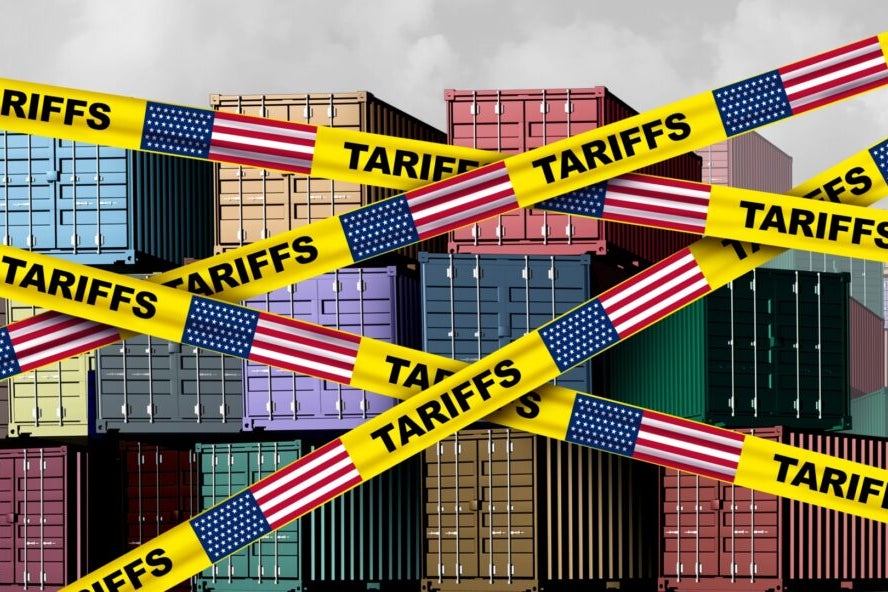
The Implications of Trump’s New 10% Tariff: What You Need to Know
At midnight on Saturday, President Donald Trump’s sweeping 10% tariff on most imported goods takes effect, marking a dramatic shift in U.S. trade policy. The measure, designed to boost domestic manufacturing, will apply to over $300 billion worth of imports annually, affecting industries from electronics to apparel. Economists warn of higher consumer prices, while proponents argue it will protect American jobs. Here’s how the policy could reshape global trade.
Understanding the Scope of the New Tariff
The 10% levy targets a broad range of goods, including consumer electronics, clothing, and machinery—categories previously spared in earlier tariff rounds. Unlike the selective tariffs imposed during Trump’s first term, this blanket approach covers nearly all non-exempt imports. The U.S. International Trade Commission estimates the policy could impact over 85% of imported goods, raising costs for businesses reliant on global supply chains.
Key sectors facing immediate pressure include:
- Retail: Big-box stores and e-commerce platforms may pass costs to consumers.
- Automotive: Parts manufacturers could see profit margins shrink.
- Technology: Electronics companies may accelerate moves to diversify production outside China.
Economic Reactions and Expert Predictions
Economists are divided on the tariff’s long-term effects. “This is a double-edged sword,” says Dr. Laura Chen, a trade policy analyst at the Brookings Institution. “While it may incentivize domestic production, the immediate inflationary impact could erase wage gains for middle-class families.” A recent Moody’s Analytics report projects the tariff could add 0.5% to inflation within a year.
Conversely, proponents like the Coalition for a Prosperous America argue the move will rebalance trade deficits. “For decades, U.S. workers have competed against unfairly subsidized imports,” says spokesperson Mark Thompson. “This levels the playing field.” Preliminary data, however, shows that similar tariffs in 2018-2019 led to a 6% drop in affected imports but no significant rise in domestic output.
Global Trade Tensions Escalate
The policy has already drawn sharp rebukes from trading partners. The European Union and Japan have threatened proportional retaliatory measures, while China—already embroiled in a tariff war with the U.S.—called the move “economic unilateralism.” Analysts warn of a domino effect: the World Trade Organization forecasts global trade growth could slow by 1.2% in 2025 if tensions persist.
Notably, the tariff excludes strategic allies like Mexico and Canada, hinting at a geopolitical strategy. “This isn’t just about economics; it’s about reshaping alliances,” notes former U.S. trade negotiator Susan Harris. “The administration is picking winners and losers.”
Consumers and Businesses Brace for Impact
For everyday Americans, the most visible consequence will be higher prices. A study by JP Morgan estimates the average household could pay an extra $1,200 annually for goods like furniture, toys, and appliances. Small businesses, particularly those without pricing power, face existential risks. “We’ll have to absorb costs or lose customers,” says Sarah Lin, owner of a boutique importing handmade goods.
Meanwhile, corporations like Walmart and Apple are reportedly accelerating plans to shift supply chains to Vietnam and India. Yet such transitions take years—and interim disruptions could lead to shortages during the 2024 holiday season.
What Comes Next?
The tariff’s longevity hinges on November’s election results. A second Trump term could see the policy expanded, while a Biden administration might roll it back. Businesses are advised to:
- Audit supply chains for tariff exposure.
- Explore duty drawback programs for refunds on re-exported goods.
- Diversify suppliers to mitigate risks.
As the world adjusts to this new era of protectionism, one thing is clear: the ripple effects will extend far beyond U.S. borders. For real-time updates on how the tariff affects your industry, subscribe to our trade policy newsletter.
See more CCTV News Daily