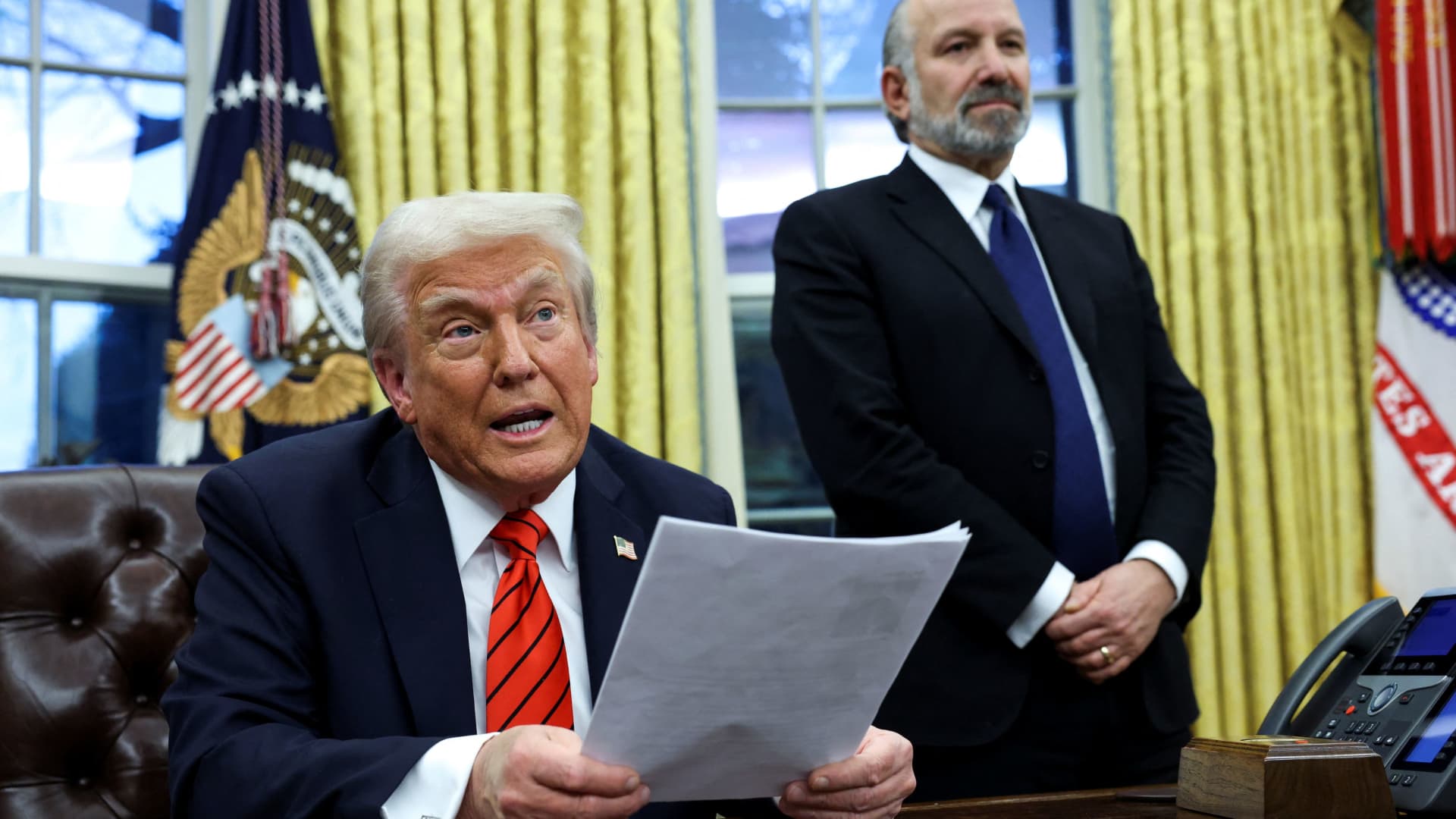
Trump to Announce New Reciprocal Tariffs: Implications for Global Trade
In a highly anticipated press conference scheduled for 1 p.m. today, President Trump is set to unveil significant new reciprocal tariffs that could reshape the landscape of international trade. This announcement is expected to have profound implications for various sectors of the economy, affecting businesses, consumers, and trading relationships worldwide. As the global economy becomes increasingly interconnected, understanding the nuances of these tariffs is essential for stakeholders across the board.
What Are Reciprocal Tariffs?
Reciprocal tariffs are a trade policy tool where countries impose tariffs on each other’s goods, often as a response to existing tariffs or trade barriers. The primary goal of these tariffs is to create a level playing field in international trade, ensuring that domestic industries are not disadvantaged by foreign competition. By implementing reciprocal tariffs, the government aims to protect local jobs, promote domestic manufacturing, and reduce trade imbalances.
The Rationale Behind New Tariffs
One of the driving forces behind the introduction of new reciprocal tariffs is the desire to address perceived inequities in trade agreements. Proponents argue that the existing frameworks often favor foreign manufacturers at the expense of American producers. By announcing new tariffs, the Trump administration aims to:
- Protect American Jobs: Tariffs can help shield U.S. industries from foreign competition, preserving jobs in manufacturing and other sectors.
- Promote Fair Trade: The intent is to encourage other countries to engage in fair trading practices, leveling the playing field for U.S. companies.
- Reduce Trade Deficits: By making imported goods more expensive, the hope is that consumers will opt for domestic products, potentially reducing the trade deficit.
Potential Impacts on Businesses and Consumers
The announcement of new reciprocal tariffs is likely to have a cascading effect on various stakeholders. Here’s what businesses and consumers need to know:
Implications for Businesses
For businesses operating in sectors that rely heavily on imported goods, the introduction of tariffs may lead to increased costs. Here are some potential outcomes:
- Increased Production Costs: Companies that depend on imported raw materials may face higher expenses, which could lead to increased prices for consumers.
- Supply Chain Disruptions: Tariffs may necessitate changes in supply chain strategies. Businesses might look for alternative suppliers or rethink their sourcing strategies to mitigate the impact.
- Market Adjustments: Depending on the sectors targeted by the tariffs, some industries may see a surge in domestic production, while others may struggle to adapt.
Effects on Consumers
Consumers are not immune to the effects of new tariffs. Here’s how they might be impacted:
- Higher Prices: As businesses pass on the increased costs from tariffs, consumers may face higher prices on goods, particularly those that are imported.
- Limited Choices: If foreign goods become too expensive, consumers may find fewer options available, particularly in sectors like electronics and clothing.
- Potential Benefits for Domestic Products: On the flip side, consumers may benefit from an increase in domestic products, which could lead to new choices and innovations in the market.
International Reactions and Trade Relations
The announcement of new reciprocal tariffs will likely provoke responses from other nations. Countries affected by these tariffs may retaliate, leading to a potential trade war. Here are some considerations:
Possible Retaliatory Measures
Countries impacted by the tariffs may respond in kind, imposing their own tariffs on U.S. goods. This could escalate tensions and disrupt trade relationships:
- Economic Retaliation: Countries could target key U.S. exports, affecting industries such as agriculture, manufacturing, and technology.
- Strained Diplomatic Relations: Increased tariffs can lead to a breakdown in diplomatic relations, complicating negotiations on other global issues.
- Impact on Global Supply Chains: A trade conflict could disrupt global supply chains, affecting businesses worldwide.
Long-Term Economic Outlook
The long-term economic outlook following the announcement of new reciprocal tariffs remains uncertain. Analysts are divided on the potential outcomes:
- Short-Term Gains vs. Long-Term Pain: While some argue that tariffs can provide short-term benefits to specific industries, others warn that prolonged protectionism could harm the economy overall.
- Investment Shifts: Businesses may redirect their investments towards domestic production, potentially leading to innovation and job creation in the U.S.
- Global Economic Slowdown: If a trade war escalates, it could contribute to a slowdown in global economic growth, affecting all economies.
Conclusion: Preparing for Change
As President Trump prepares to announce new reciprocal tariffs, businesses and consumers alike should brace for change. The implications of these tariffs could be far-reaching, influencing everything from product prices to international relations. It’s important for stakeholders to stay informed and adaptable in the face of evolving trade policies.
In conclusion, while the immediate effects of the new tariffs may be challenging, they also present an opportunity for businesses to innovate and for consumers to support domestic products. The key to navigating this new landscape will be understanding the nuances of the changes and preparing accordingly.
Stay tuned for further updates as the situation unfolds, and remember that knowledge and adaptability are your best allies in times of economic change.
See more CCTV News Daily