Turbulent Times: How Trump’s Tariffs Are Shaking Asia’s Stock Markets
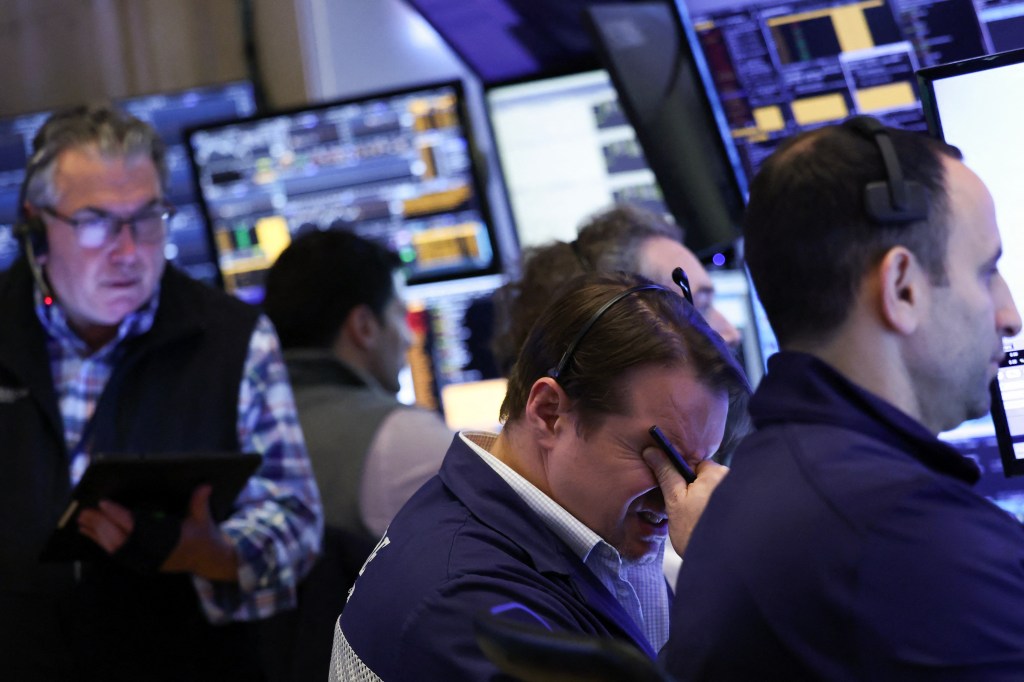
Former U.S. President Donald Trump’s recent announcement of sweeping tariffs on Asian imports has triggered a sharp downturn in the region’s stock markets, with indices in China, Japan, and South Korea plunging by 3-5% within days. The move, unveiled last week, targets key industries like electronics, automobiles, and steel, reigniting fears of a prolonged trade war that could destabilize Asia’s export-driven economies. Investors are scrambling to assess the long-term fallout as supply chain disruptions and retaliatory measures loom.
Immediate Market Reactions and Investor Anxiety
Asian markets reacted swiftly to the tariff news, with the Nikkei 225 dropping 4.2% and Hong Kong’s Hang Seng Index shedding 3.8%—its worst single-day performance since October 2022. The Shanghai Composite fell 3.1%, while Taiwan’s semiconductor-heavy Taiex lost 5.3%. Analysts attribute the sell-off to panic over reduced corporate earnings and potential supply chain bottlenecks.
“These tariffs couldn’t come at a worse time,” says Dr. Mei Lin, chief economist at Singapore-based Atlas Financial Group. “Asian manufacturers were just recovering from pandemic-era disruptions. Now they face a 15-20% cost increase on U.S.-bound goods, which will squeeze profit margins and likely trigger layoffs.”
Key affected sectors include:
- Electronics: 45% of Asia’s tech exports face new tariffs
- Automobiles: Japanese and Korean carmakers could see $12B in lost revenue
- Steel: China’s exports may drop by 8 million metric tons annually
Historical Parallels and Escalation Risks
The current tariffs echo Trump’s 2018-2019 trade war, which cost the global economy an estimated $700 billion in lost GDP. However, this round targets more sophisticated products like EVs and semiconductors—areas where Asia holds dominant market shares. Retaliatory measures are already emerging:
• China has threatened to restrict rare earth mineral exports
• South Korea may impose duties on U.S. agricultural imports
• Vietnam is reconsidering its Boeing aircraft orders
“This isn’t just about economics—it’s geopolitical chess,” warns Rajiv Bhatia, former Indian trade negotiator. “When supply chains become political weapons, everyone loses. The 2019 experience showed tariffs ultimately hurt American consumers through higher prices.”
Long-Term Implications for Asian Economies
Beyond immediate market reactions, analysts foresee structural shifts:
1. Supply Chain Diversification: Companies like Apple and Samsung are accelerating plans to move production to India and Southeast Asia—a process that could take 5-7 years.
2. Currency Volatility: The yen and won have already weakened 2.3% against the dollar, raising import costs for energy-reliant nations like Japan.
3. Regional Trade Pacts: The RCEP (Regional Comprehensive Economic Partnership) may gain momentum as Asian countries seek alternatives to U.S. markets.
However, not all perspectives are pessimistic. “Short-term pain could lead to long-term gain,” argues Hong Kong-based fund manager Alan Tsui. “This forces Asian economies to develop domestic consumption markets and reduce over-reliance on exports.”
What Comes Next?
Market watchers suggest these key developments to monitor:
- U.S. midterm election outcomes that could influence tariff permanence
- Q3 earnings reports from major exporters like TSMC and Toyota
- Potential intervention by Asian central banks to stabilize currencies
With the IMF projecting a 0.8% reduction in Asia’s 2024 GDP growth if tariffs remain, governments face tough choices between retaliation and negotiation. As the dust settles, one truth becomes clear: in an interconnected global economy, trade policies reverberate far beyond their intended targets.
For ongoing coverage of how tariffs are impacting specific sectors, subscribe to our daily market analysis newsletter.
See more CCTV News Daily