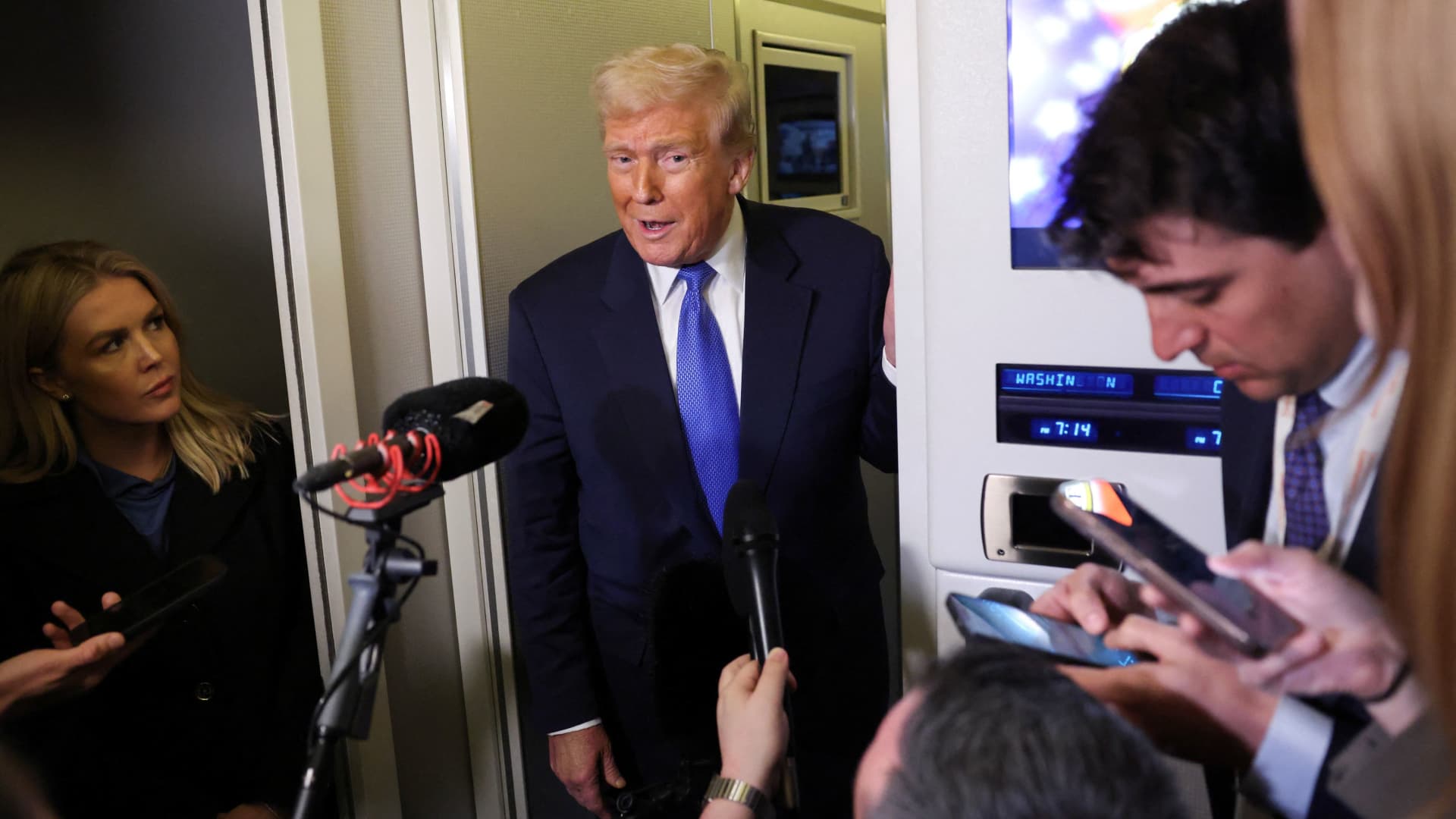
Trump’s Dismissal of Business Tariff Concerns: A Bold Stance or a Risky Gamble?
In a surprising move, former President Donald Trump has recently brushed aside the growing concerns from the business community regarding tariffs, asserting that requests for greater clarity and guidance are merely routine. This bold stance raises significant questions about the potential implications for the U.S. economy and businesses navigating an increasingly uncertain trade landscape. Are Trump’s dismissals a sign of confidence in his policies, or could they be a risky gamble that jeopardizes American businesses?
The Context of Tariff Concerns
The backdrop of this discussion is rooted in the ever-evolving landscape of international trade. Tariffs, which are taxes imposed on imported goods, have been a contentious issue since Trump entered the political arena. His administration’s bold moves to impose tariffs on various imports, particularly from China, were aimed at protecting American industries and reducing trade deficits. However, as the global market dynamics shift, businesses are now craving clearer guidelines to navigate these waters.
Trump’s dismissal of these concerns has brought forth a wave of reactions. Many business leaders argue that without a consistent and predictable tariff policy, their ability to plan for the future is severely hampered. The uncertainty surrounding tariffs can lead to increased costs, disrupted supply chains, and ultimately, a negative impact on the economy.
Understanding the Business Perspective
From the perspective of business executives and industry leaders, the call for clearer tariff guidance is not just an issue of bureaucratic red tape; it’s about survival. Here’s why:
- Cost Management: Tariffs can significantly increase the cost of imported goods. For companies relying on foreign supplies, unexpected tariff increases can squeeze profit margins.
- Supply Chain Disruptions: Many businesses operate on just-in-time supply chains. Unpredictable tariffs can disrupt these finely-tuned systems, leading to delays and increased costs.
- Investment Decisions: With ambiguous tariff policies, companies may hesitate to invest in new projects or expand operations, fearing future policy shifts could render their investments unwise.
When Trump dismisses these concerns, he raises alarms among business leaders who fear that such a stance could lead to long-term economic instability. This begs the question: does he truly understand the ramifications of his position?
Economic Implications of Trump’s Position
Trump’s approach could have far-reaching consequences for the economy. Here are some potential implications:
- Short-Term Gains vs. Long-Term Stability: While adopting a tough stance on tariffs may resonate well with certain voter bases, it could alienate business leaders who understand that a stable trade environment is crucial for sustained economic growth.
- Inflationary Pressures: If tariffs lead to higher prices for goods, consumers may feel the pinch, leading to reduced spending. This could create a ripple effect throughout the economy.
- International Relations: Dismissing tariff concerns could strain relationships with trading partners. Countries may retaliate with their tariffs, further complicating trade negotiations and economic cooperation.
Trump’s Rationale: A Calculated Risk?
So, what motivates Trump to adopt such a bold stance? One could argue that Trump is playing a long game, banking on the belief that his base will support a confrontational approach to trade, regardless of the business community’s concerns. He may view the calls for clearer guidance as signs of weakness or indecisiveness, and instead prefer to position himself as a strong leader unafraid to take risks.
This strategy, however, is laden with potential pitfalls. The business community plays a crucial role in the economic ecosystem, and their discontent could translate into decreased political support. Moreover, with the 2024 elections on the horizon, maintaining a favorable relationship with the business sector could be pivotal for Trump’s political ambitions.
Alternative Perspectives on Tariff Policy
While Trump’s position is one of defiance, there are alternative perspectives on how to approach tariff policy in a way that balances protectionism with the needs of American businesses:
- Transparent Communication: Open lines of communication between the government and businesses can foster a collaborative environment where concerns are addressed, and policies are adjusted based on feedback.
- Flexible Tariff Strategies: Implementing a more flexible approach to tariffs that considers the dynamic nature of global trade could help mitigate the uncertainty that businesses face.
- Long-Term Planning: Establishing a long-term trade strategy that aligns with the interests of domestic industries while maintaining healthy international relations could create a more stable economic environment.
Conclusion: The Path Forward
As we reflect on Trump’s dismissal of business tariff concerns, it becomes clear that this is not just a political issue but a critical economic one. The balancing act between protectionist policies and the needs of U.S. businesses is delicate, and the stakes are high. While Trump’s bold stance may resonate with his supporters, alienating the business community could prove to be a risky gamble.
Moving forward, it’s essential that policymakers listen to the voices of business leaders who are navigating these turbulent waters. By fostering an environment of collaboration and transparency, the U.S. can work towards a trade policy that not only protects American interests but also supports economic growth and stability.
In a rapidly changing global landscape, the choices made today regarding tariffs and trade policies will undoubtedly shape the future of the U.S. economy. Whether Trump’s approach will prove to be a wise strategy or a costly miscalculation remains to be seen, but one thing is certain: the conversation around tariffs is far from over.
See more CCTV News Daily