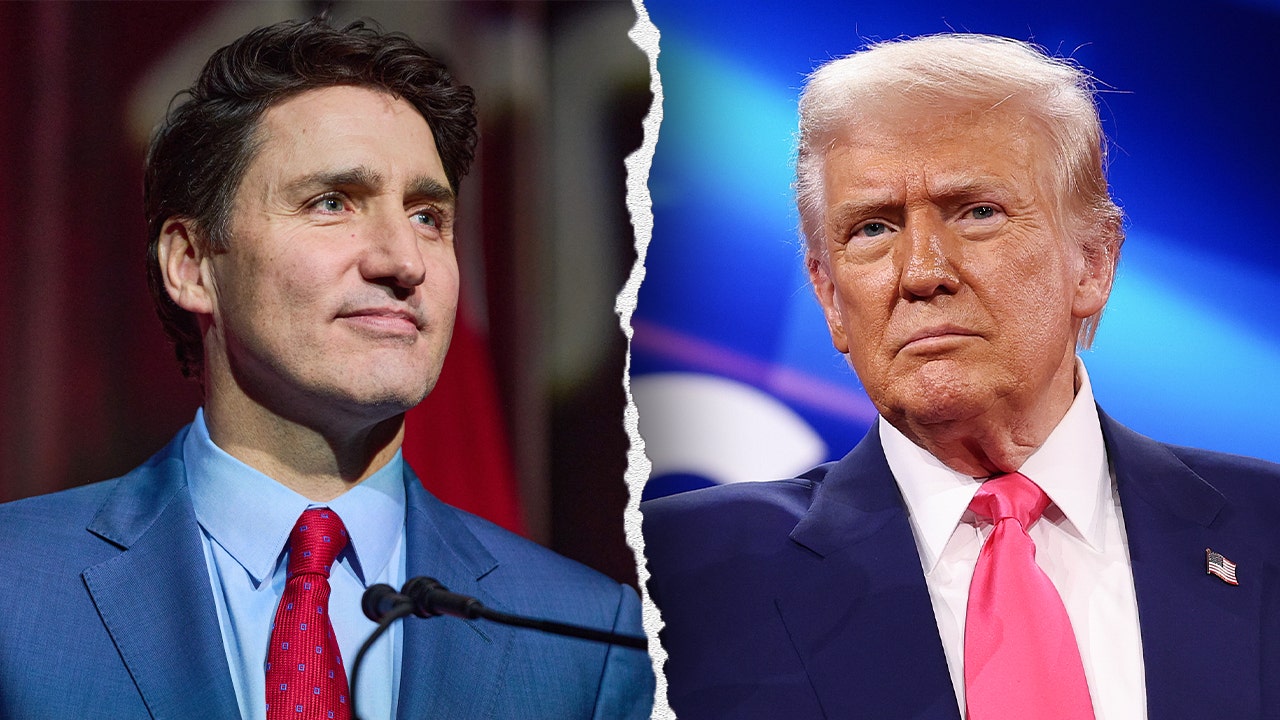
As the ramifications of Trump’s tariffs ripple through Canada, citizens and businesses alike grapple with confusion over the shifting economic landscape. These tariffs, primarily aimed at protecting American industries from foreign competition, have created a complex web of challenges for Canadian economies, families, and industries. Understanding the implications of these policies is crucial for Canadians as they navigate these uncertain waters.
The Genesis of Tariffs and Their Intentions
Tariffs are taxes imposed on imported goods, designed to make foreign products more expensive and thus encourage consumers to buy domestic items. When the Trump administration introduced tariffs on steel and aluminum in 2018, the intention was to bolster American manufacturing and reduce reliance on foreign goods. However, this decision sent shockwaves across the border, impacting Canada, which is one of the largest suppliers of these materials to the U.S.
The impact of Trump’s tariffs on Canada can be understood through various lenses, including economic, social, and political perspectives. Given the close economic ties between the two nations, these tariffs have not only disrupted trade agreements but also raised questions about the future of cross-border commerce.
Economic Ramifications for Canadian Industries
Canadian industries, particularly manufacturing and agriculture, have faced significant hurdles as a result of these tariffs. The manufacturing sector, which relies heavily on steel and aluminum, has seen increased production costs. This has led to higher prices for consumers and reduced profit margins for businesses.
- Manufacturing Sector: Companies that utilize steel and aluminum have had to absorb additional costs or pass them on to consumers, leading to potential declines in sales.
- Agriculture: Farmers exporting products to the U.S. have faced retaliatory tariffs on Canadian goods, impacting their competitiveness in the American market.
- Small Businesses: Many small businesses depend on affordable imported materials. The rise in costs has forced some to rethink their supply chains and even consider scaling back operations.
The Consumer Experience Amidst Tariff Uncertainty
For the average Canadian consumer, the impact of Trump’s tariffs may not be immediately apparent but can manifest in various ways. Prices for everyday goods, particularly those made from imported materials, have begun to rise. Household items, electronics, and vehicles are all affected.
Canadians are likely to notice:
- Increased Prices: The cost of goods that rely on imported materials, like automobiles and home appliances, has increased due to rising production costs.
- Limited Choices: Some companies may opt to reduce their product lines, affecting consumer choice and availability of certain items.
- Economic Anxiety: The uncertainty surrounding tariffs has created a climate of anxiety among consumers, affecting their spending habits.
Political Reactions and Diplomatic Efforts
The political landscape in Canada has also been influenced by these tariffs. Canadian leaders have had to navigate a complex relationship with the U.S., balancing the need to protect Canadian interests while maintaining a cooperative approach to trade.
In response to the tariffs, the Canadian government has:
- Imposed Retaliatory Tariffs: Canada responded with its own tariffs on U.S. goods, targeting products like whiskey, yogurt, and various meats.
- Strengthened Trade Agreements: Efforts have been made to reinforce trade ties with other nations, aiming to diversify Canadian exports and reduce reliance on the U.S.
- Fostered Domestic Production: Initiatives have been introduced to encourage local manufacturing, aiming to mitigate the impact of tariffs on Canadian businesses.
Long-Term Consequences for Canadian Economy
The long-term consequences of Trump’s tariffs on the Canadian economy remain to be seen. While some businesses may adapt and find ways to thrive amid these challenges, others may struggle to survive. The overall economic growth rate could be affected as well, as tariffs create barriers to trade and disrupt established supply chains.
Experts warn that prolonged tariffs could lead to:
- Job Losses: Industries unable to absorb higher costs may resort to layoffs, affecting thousands of workers.
- Investment Slowdown: Uncertainty can deter both domestic and foreign investments, impacting long-term economic growth.
- Inflationary Pressures: Rising prices could contribute to broader inflation, affecting the overall economy and consumer purchasing power.
Finding Hope and Resilience
Despite the challenges posed by Trump’s tariffs, there are glimmers of hope. Canadians are known for their resilience and adaptability, qualities that will be essential in navigating this uncertain economic landscape. Many businesses are already pivoting, finding innovative solutions to mitigate costs and maintain competitiveness.
Furthermore, the Canadian government is actively seeking new trade partnerships and opportunities to diversify markets. Initiatives aimed at supporting local industries and fostering innovation can pave the way for a more robust economy in the face of adversity.
Conclusion: A Path Forward
The impact of Trump’s tariffs on Canada is a multifaceted issue that requires careful consideration and strategic planning. With rising costs, changing consumer behaviors, and evolving political dynamics, Canadians must remain vigilant and proactive as they navigate these turbulent times.
As the world of trade continues to evolve, Canadians can draw on their strengths, fostering innovation and collaboration to weather the storm. By supporting local businesses and advocating for fair trade practices, citizens can play a crucial role in shaping a resilient and prosperous economic future.
See more CCTV News Daily