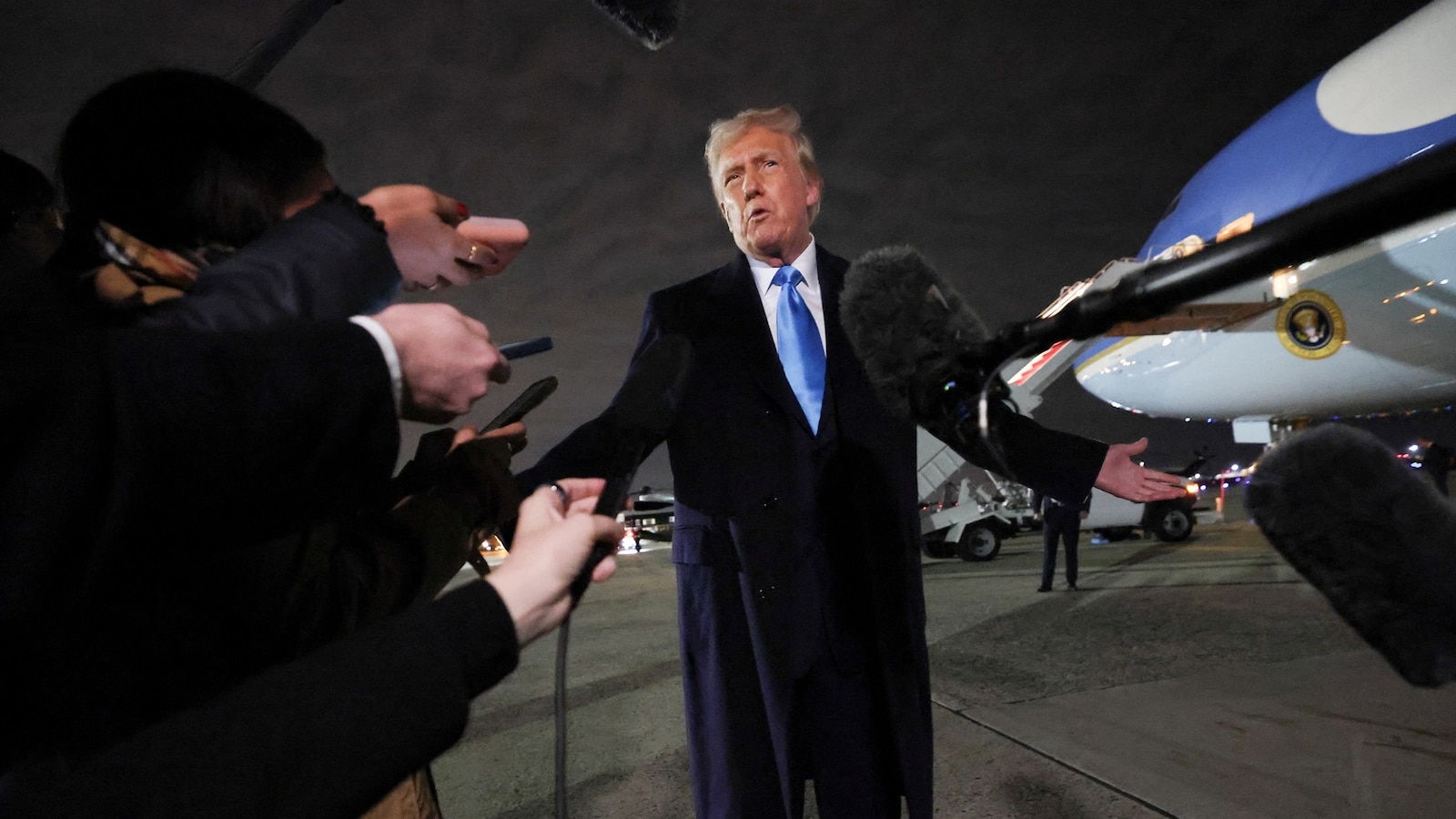
As President Trump prepares to meet with Canadian Prime Minister Justin Trudeau and Mexican President Andrés Manuel López Obrador, discussions on tariffs take center stage. These negotiations, pivotal for North American trade relations, come at a time when both Canada and Mexico are keen to safeguard their economic interests amid ongoing trade tensions. The stakes are high, and the outcomes will undoubtedly shape the future of trade in the region.
The Context of Trade Tensions
Trade tensions between the U.S., Canada, and Mexico have escalated in recent years, primarily due to the tariffs imposed by the Trump administration on aluminum and steel imports. These tariffs have not only strained relationships but also raised concerns about the economic implications for industries dependent on these materials. The discussions in the upcoming talks are expected to address these tariffs directly, as both Canada and Mexico seek to negotiate their removal or reduction.
In recent months, the U.S. has also faced scrutiny over its approach to trade agreements, with many questioning whether the administration’s tactics are beneficial in the long run. Critics argue that the aggressive trade policies could lead to retaliation from trading partners, further complicating relationships and economic stability.
What’s on the Table: Key Discussion Points
The upcoming talks are likely to focus on several critical issues:
- Tariffs: The central theme of the discussions will revolve around the tariffs on steel and aluminum. Canada and Mexico are advocating for the removal of these tariffs to restore balance in trade and ensure economic growth.
- USMCA Implementation: The United States-Mexico-Canada Agreement (USMCA) is a significant topic, as both Canada and Mexico are eager to see the agreement fully implemented. This trade deal aims to bolster trade relations and create a more equitable trading environment.
- Supply Chain Stability: The pandemic has disrupted global supply chains, and both Canada and Mexico will likely push for discussions on enhancing supply chain resilience among the three countries.
- Climate Change Policies: With climate change being a pressing global issue, it is anticipated that environmental policies and cooperation will also feature in the discussions.
Mexico’s Strategic ‘Plan B’
In anticipation of the negotiations with President Trump, Mexico is formulating a strategic ‘Plan B’ to mitigate potential adverse outcomes. This plan includes diversifying trade partnerships beyond North America. By strengthening ties with countries in Asia and Europe, Mexico aims to reduce its economic dependence on the U.S. market.
Moreover, Mexico is considering the following strategies:
- Strengthening Domestic Industries: By investing in local industries, Mexico hopes to bolster its economy and create jobs, reducing reliance on imports.
- Enhancing Trade with Latin America: Mexico is looking to increase trade with other Latin American countries to create a more balanced economic landscape.
- Engaging in Multilateral Agreements: Pursuing trade agreements with multiple countries can help Mexico secure better terms and conditions, ensuring its interests are safeguarded.
The Role of Public Opinion
Public opinion plays a significant role in shaping trade policies. In both Canada and Mexico, citizens are increasingly vocal about their concerns regarding tariffs and trade agreements. The leaders of these countries must navigate these sentiments carefully, balancing national interests with public expectations.
Recent polls indicate that a majority of Canadians support the removal of tariffs, viewing them as detrimental to their economy. Similarly, in Mexico, there is widespread concern about how U.S. trade policies could affect job security and economic stability. As such, both Trudeau and López Obrador will likely use the upcoming talks to convey their commitment to protecting their citizens’ interests.
Potential Outcomes and Their Implications
The outcomes of these talks could have significant implications for North American trade relations. A successful negotiation could lead to:
- Increased Economic Cooperation: Removing tariffs could pave the way for enhanced trade cooperation, fostering economic growth across the continent.
- Strengthened USMCA: A commitment to fully implementing the USMCA could solidify trade relationships and ensure long-term economic stability.
- Improved Supply Chain Resilience: Addressing supply chain vulnerabilities can lead to a more robust economic framework that can withstand future disruptions.
Conversely, if the talks falter, the implications could be equally significant:
- Escalation of Trade Wars: Continued tariffs could ignite further trade wars, leading to retaliatory measures that could harm all three economies.
- Economic Uncertainty: Prolonged negotiations without resolution could create uncertainty in the markets, affecting business investments and consumer confidence.
- Shift in Trade Alliances: Mexico’s ‘Plan B’ could lead to a reconfiguration of trade alliances, potentially sidelining the U.S. in favor of other global partners.
Conclusion: A Path Forward
As President Trump gears up for these critical talks with Canada and Mexico, the focus on tariffs and trade relations is more crucial than ever. Both Canada and Mexico are poised to advocate for their national interests while navigating the complexities of international trade. The outcome of these discussions could reshape the economic landscape of North America, fostering either cooperation or discord.
Ultimately, the negotiations will reflect the interconnectedness of the global economy, where collaboration and understanding are vital for mutual success. As we watch these critical discussions unfold, the hope remains that all parties will find common ground, leading to a prosperous future for North America.
See more CCTV News Daily