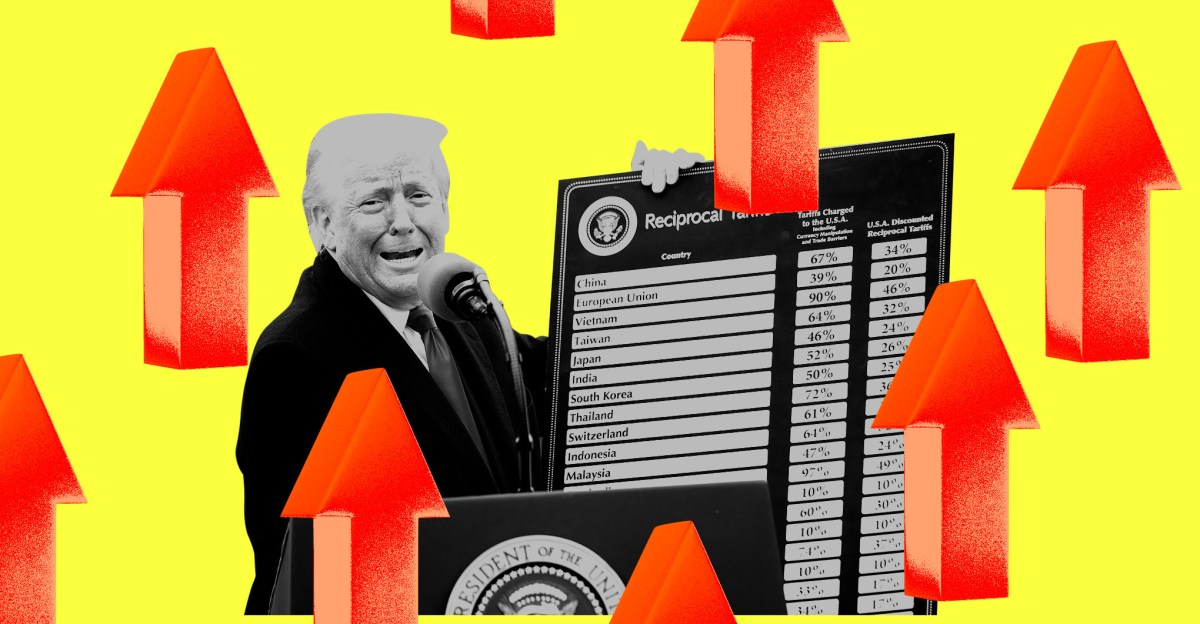
Unpacking the Impact: Trump’s Tariffs on China Hit 104 Percent
The Trump administration’s latest round of tariffs on Chinese imports has surged to 104 percent, marking one of the most aggressive trade measures in recent history. Effective immediately, these levies target key industries, including electric vehicles, semiconductors, and steel, escalating tensions between the world’s two largest economies. Businesses and consumers now face higher costs, while analysts warn of potential supply chain disruptions and inflationary pressures. The move aims to protect U.S. industries but risks triggering retaliatory measures from Beijing.
Why the Tariffs Were Implemented
The Biden administration inherited these tariffs but has largely maintained them, citing unfair trade practices by China, including intellectual property theft and state subsidies. The latest increase, however, pushes rates to unprecedented levels. According to the U.S. Trade Representative, the goal is to “level the playing field” for American manufacturers. Data from the Peterson Institute for International Economics shows that tariffs now cover over $350 billion worth of Chinese goods annually.
“This is a double-edged sword,” says Dr. Linda Chen, a trade economist at Georgetown University. “While it may shield some domestic industries, the ripple effects could hurt small businesses and consumers who rely on affordable imports.”
Immediate Effects on Businesses and Consumers
Companies dependent on Chinese imports are scrambling to adjust. For example, a mid-sized electronics retailer in Ohio reported a 15 percent spike in procurement costs overnight. Meanwhile, consumers could see price hikes on everyday items, from appliances to clothing, within weeks. The National Retail Federation estimates that the average U.S. household may pay an additional $1,200 annually due to these tariffs.
- Electric vehicles: Prices could rise by 20-30 percent, slowing adoption.
- Semiconductors: Critical for tech industries, delays and shortages may worsen.
- Steel and aluminum: Construction and automotive sectors face higher material costs.
China’s Likely Response and Global Trade Implications
China has historically retaliated with tariffs of its own, targeting U.S. agricultural exports like soybeans and pork. Experts predict Beijing may now restrict rare earth minerals, which are vital for U.S. tech and defense industries. “China holds significant leverage in this battle,” notes James Wu, a senior analyst at the Asia Society. “Any disruption in rare earth supplies could paralyze key U.S. sectors.”
Globally, the tariffs may accelerate “decoupling,” where nations reduce reliance on Chinese manufacturing. Vietnam and India have already seen increased foreign investment as companies diversify supply chains. However, the transition won’t be seamless. A 2023 World Bank report warns that reshoring production could take years and cost billions.
Long-Term Economic and Political Consequences
While the tariffs may bolster some U.S. industries, economists caution against long-term damage. A study by Moody’s Analytics suggests that prolonged trade wars could shave 0.5 percent off U.S. GDP growth by 2025. Politically, the move has drawn mixed reactions. Labor unions praise the protection of jobs, while free-market advocates argue it stifles competition.
“The real test will be whether these tariffs force China to reform or simply deepen the divide,” says former Commerce Secretary Penny Pritzker. “So far, the latter seems more likely.”
What’s Next for U.S.-China Trade Relations?
With negotiations stalled, both nations appear entrenched. The U.S. may expand tariffs to other sectors, while China could weaponize its dominance in green technology exports, such as solar panels. Consumers and businesses should prepare for:
- Higher prices on imported goods
- Increased volatility in stock markets
- Potential shortages of niche products
For now, the tariffs underscore a broader shift toward economic nationalism. As policymakers weigh the costs, the global trade landscape grows increasingly fragmented. To stay informed, follow updates from the U.S. International Trade Commission or consult local trade associations for guidance.
See more CCTV News Daily