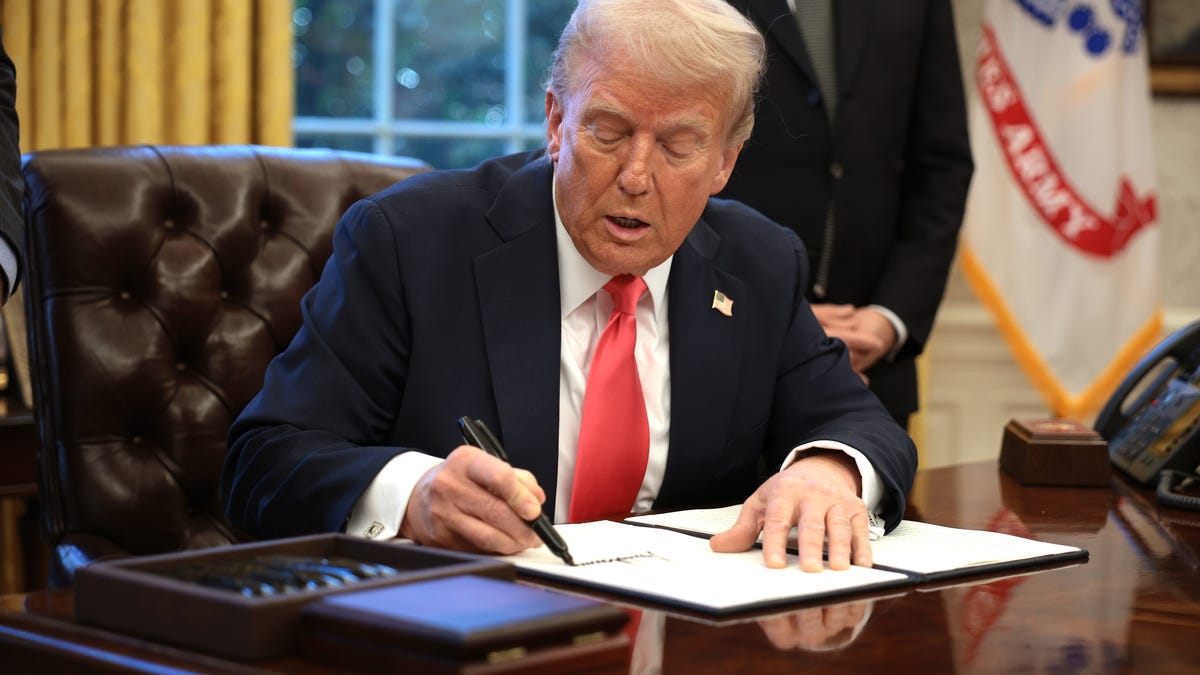
Trump Signals Imminent Tariff Increases on Major Trade Partners
In a surprising announcement, former President Donald Trump has revealed plans for additional tariffs targeting key trade partners, including China, Canada, and Mexico. This move marks a significant shift in the United States’ trade policy and could have far-reaching implications for American consumers and businesses alike. As the prospect of these tariff increases looms, it’s essential to unpack what this means for global trade dynamics and the potential consequences for the U.S. economy.
The Rationale Behind Tariff Increases
Trump’s administration previously employed tariffs as a tool to navigate trade imbalances and protect American industries. According to Trump, the rationale for imposing additional tariffs revolves around promoting domestic manufacturing, safeguarding jobs, and countering unfair trade practices. He argues that countries like China have benefited from trade policies that disadvantage American workers.
Tariffs, in essence, are taxes on imported goods. By increasing tariffs, the cost of imported products rises, which can lead to a reduction in imports. Supporters of this approach believe that it encourages consumers to buy domestically produced items, thereby stimulating local economies. However, there are also significant concerns about the potential fallout from such policies.
Impacts on Consumers and Businesses
One of the most immediate effects of increased tariffs is the potential rise in prices for consumers. When tariffs are imposed, importers often pass on the cost to consumers through higher prices. This could lead to a notable increase in the cost of everyday goods, especially those heavily reliant on imports. Here are some sectors that may experience price hikes:
- Electronics: Many electronic devices are manufactured overseas, particularly in China. Increased tariffs could lead to higher prices for smartphones, laptops, and other gadgets.
- Automobiles: Tariffs on automotive parts could raise prices for new cars and repairs, impacting consumers who rely on affordable transportation.
- Food Products: Tariffs on agricultural imports could lead to increased prices for certain foods, especially those that rely on cross-border supply chains.
Furthermore, American businesses that rely on imported materials to manufacture their products may face increased costs. This could result in decreased profit margins or even layoffs if companies cannot pass on the costs to consumers. The ripple effects of these tariff increases could lead to a slowdown in economic growth, impacting overall consumer spending.
Effects on U.S.-China Relations
The relationship between the United States and China has been fraught with tension for years, and the announcement of tariff increases could exacerbate these issues. Both countries have already engaged in a tit-for-tat exchange of tariffs, which has led to instability in global markets.
Increased tariffs on Chinese goods may lead to retaliatory measures from Beijing. This could manifest in various forms, including tariffs on U.S. exports, which would further strain trade relations. Some experts argue that this type of escalation could result in a trade war, which historically has significant negative consequences for all parties involved.
The North American Trade Landscape
Canada and Mexico, as key trading partners, are also affected by Trump’s tariff signals. The United States-Mexico-Canada Agreement (USMCA) was designed to create a more balanced trading environment among these nations. However, any new tariffs could undermine the progress made under this agreement.
For businesses operating within North America, increased tariffs could complicate supply chains and logistics. Many companies rely on cross-border trade for their operations, and tariffs could introduce uncertainty into their planning processes. The potential for increased costs may also drive companies to reconsider their manufacturing strategies, possibly moving operations to other countries with more favorable trade terms.
Political Ramifications
Trump’s announcement also carries significant political implications. With the 2024 presidential election on the horizon, this move could be seen as an attempt to rally his base by emphasizing a tough stance on trade. His supporters often view tariffs as a necessary measure to protect American jobs and industries, and by signaling imminent increases, Trump may be reinforcing his identity as a proponent of American nationalism.
However, there is a risk that these actions could alienate moderate voters who may be concerned about the economic impact of tariffs. As consumers begin to feel the effects of rising prices, there may be a backlash against the policies, complicating Trump’s political calculus as he prepares for the upcoming election.
Global Economic Implications
The broader implications of Trump’s tariff increases extend beyond U.S. borders. A shift in U.S. trade policy can influence global economic trends, as countries adjust their trade strategies in response. For instance, nations may seek to strengthen ties with other trading partners or look for alternative markets to offset losses incurred from U.S. tariffs.
Economists often warn that increased tariffs can lead to decreased overall global trade, which in turn hampers economic growth worldwide. As the interconnectedness of economies deepens, the repercussions of one nation’s trade decisions can resonate far beyond its borders.
Conclusion
Trump’s announcement of imminent tariff increases on major trade partners like China, Canada, and Mexico has the potential to reshape the landscape of international trade. While the intention may be to protect American industries and jobs, the reality could lead to higher prices for consumers, strained international relations, and broader economic repercussions.
As businesses and consumers brace for the potential impact of these tariffs, it becomes increasingly important for policymakers to navigate this complex landscape carefully. In a world where trade dynamics are constantly evolving, the decisions made today could have lasting consequences for the future of global commerce.
In summary, while tariffs may be viewed as a short-term solution to long-standing trade issues, their broader implications must be considered. As we move forward, a balanced approach that fosters cooperative trade relations, encourages domestic production, and maintains consumer affordability will be crucial for sustained economic prosperity.
See more CCTV News Daily