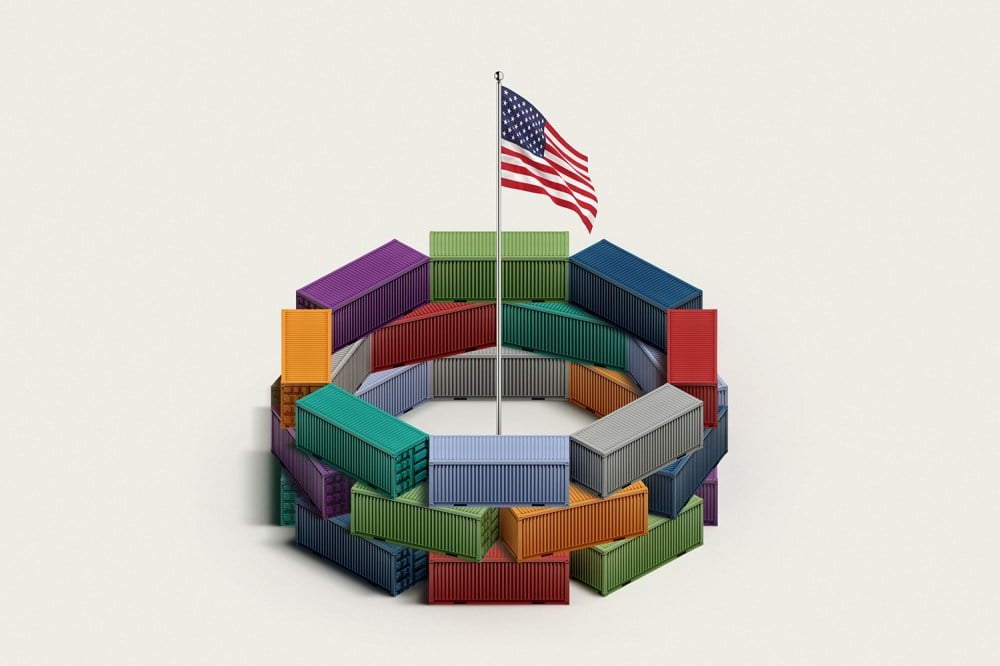
Unpacking Trump’s Tariffs: What Sets This Round Apart?
As the economic landscape shifts, Trump’s latest tariffs are raising eyebrows and sparking debate. What unique factors differentiate this round from previous policies? The world of trade has always been dynamic, but the recent introduction of tariffs under the Trump administration has introduced new complexities. In this article, we’ll explore the distinctive features of these tariffs, the reasons behind them, and their potential implications on both the domestic and global economy.
The Context of Trump’s Tariffs
Donald Trump’s approach to tariffs has been marked by a distinct philosophy: a strong belief in America First. His administration’s tariff policies initially aimed to protect American manufacturing and jobs from what he termed unfair foreign competition. However, the latest round of tariffs introduces several noteworthy differences compared to previous iterations.
Key Distinctions in the Current Tariff Round
The latest tariffs, announced in late 2023, are not merely a continuation of past policies but represent a significant shift in strategy. Here are some of the key aspects that set this round apart:
- Targeting New Sectors: Unlike earlier tariffs that primarily focused on steel and aluminum imports, this round expands its scope to include technology and green energy sectors. This strategic move signals a recognition of the growing importance of technology in the modern economy.
- Geopolitical Considerations: The current tariffs are heavily influenced by geopolitical dynamics, particularly relations with China. The U.S. is not just protecting its economy but also attempting to curb China’s rising global influence.
- Domestic Economic Recovery: The latest tariffs come on the heels of a pandemic recovery, aiming to bolster local industries that suffered during COVID-19. This context underscores a dual purpose: protecting American jobs while fostering resilience against future global economic shocks.
- Environmental Focus: In a notable deviation from previous policies, these tariffs incorporate environmental considerations, particularly targeting imports that do not meet U.S. environmental standards. This reflects a growing trend towards sustainable trade practices.
The Rationale Behind the New Tariffs
To understand why these tariffs are being implemented now, it’s essential to delve into the rationale behind them. The economic landscape is shifting, and several factors contribute to this decision:
- Supply Chain Vulnerabilities: The pandemic exposed significant vulnerabilities in global supply chains. By imposing tariffs, the Trump administration aims to encourage domestic production, reducing reliance on foreign entities.
- Job Preservation: With a focus on protecting American jobs, particularly in manufacturing and technology sectors, these tariffs are designed to create a favorable environment for local businesses to thrive.
- Technological Competition: As technology becomes a cornerstone of economic power, the U.S. aims to maintain its competitive edge against countries like China. By imposing tariffs on technology imports, the administration is striving to nurture and protect homegrown innovation.
Potential Implications of Trump’s Tariffs
The implications of these tariffs are manifold, affecting various stakeholders across the board. Here are some potential outcomes of this latest round:
- Increased Costs for Consumers: As tariffs are applied, import costs rise, which can lead to higher prices for consumers. This is particularly concerning for everyday goods that rely on imported materials.
- Retaliation and Trade Wars: History shows that tariffs often provoke retaliatory measures from affected countries. This could escalate into broader trade wars, disrupting global markets.
- Investment Shifts: Companies may alter their investment strategies in response to tariffs, potentially leading to a shift in manufacturing locations. This could have long-term implications for global production networks.
- Environmental Impact: The environmental focus of these tariffs could encourage greener practices in production, but it may also lead to unintended consequences if not carefully managed.
Responses to the New Tariffs
The reaction to Trump’s latest tariffs has been mixed. On one hand, supporters argue that these policies are necessary to protect American interests and jobs. On the other hand, critics warn about the potential for economic harm, especially for consumers and businesses that depend on global supply chains.
Industry groups, particularly in technology and manufacturing, have expressed concerns about the potential for increased costs and reduced competitiveness. Conversely, labor unions have largely supported the tariffs, emphasizing the need to protect American jobs and industries.
Looking Ahead: The Future of Tariffs
The future of these tariffs remains uncertain. The incoming administration may choose to continue or rescind these measures based on their economic strategy and geopolitical considerations. However, one thing is clear: the landscape of international trade is evolving, and tariffs will likely play a crucial role in shaping that future.
Conclusion
Trump’s latest tariffs signify more than just a protective measure; they reflect a comprehensive strategy to navigate a complex economic landscape. By targeting new sectors, responding to geopolitical challenges, and emphasizing environmental standards, this round of tariffs sets itself apart from previous policies. As the debate continues, it is imperative for businesses, policymakers, and consumers alike to stay informed about the potential impacts and adapt accordingly.
In the end, understanding these unique factors is essential for navigating the changing tides of trade and economics in the years to come. Staying engaged with these developments will help not only in mitigating risks but also in seizing new opportunities that arise from this shifting landscape.
See more CCTV News Daily