The Unfolding Impact of Trump Tariffs: An Economic Overview
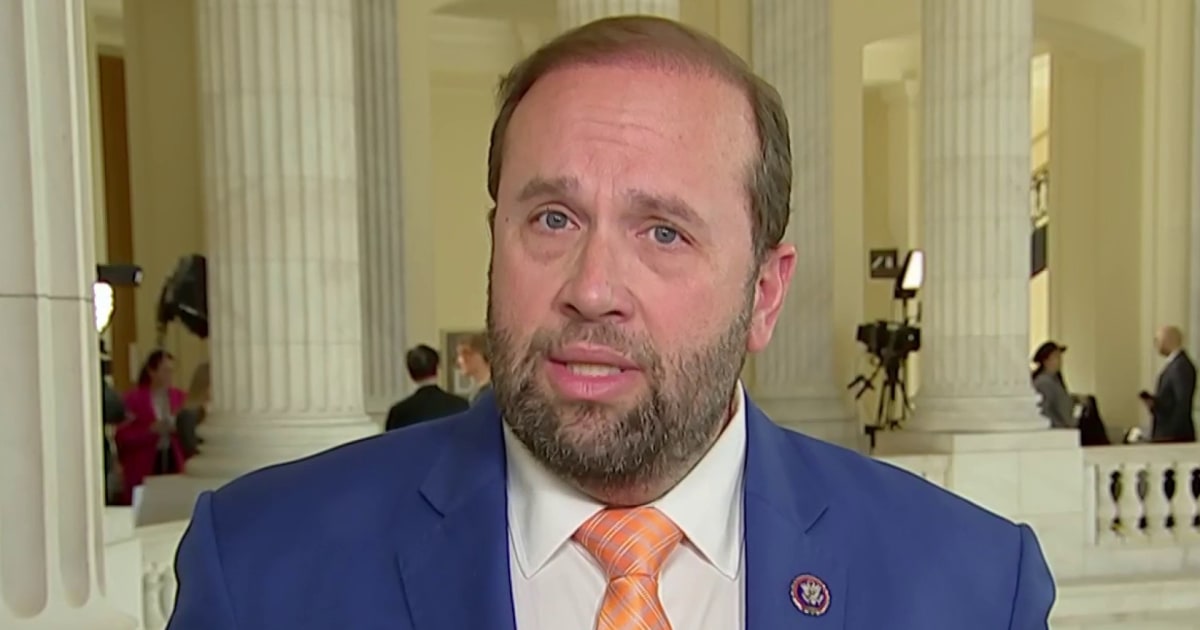
The implementation of Trump tariffs during his presidency marked a significant shift in U.S. trade policy, with far-reaching implications for various industries and consumers. These tariffs, designed primarily to protect American jobs and industries from foreign competition, have sparked a complex economic landscape where certain sectors have thrived while others have struggled. As the discussions around these tariffs continue, particularly as the House Ways & Means Committee chair outlines their consequences, it becomes crucial to analyze who stands to gain and who will lose in this ongoing economic saga.
Understanding the Basics of Trump Tariffs
Tariffs are taxes imposed on imported goods, which can serve multiple purposes, including protecting domestic industries, generating revenue for the government, and influencing trade balances. The Trump administration introduced various tariffs, particularly on steel and aluminum, as well as a range of consumer goods from countries like China. These tariffs aimed to encourage American manufacturing and reduce dependence on foreign products.
Who Stands to Gain from Trump Tariffs?
While the tariffs have created challenges for many, they have also generated some winners in the economy. Here’s a closer look at the groups and industries that have benefited:
- Domestic Manufacturers: Companies producing steel, aluminum, and other goods in the U.S. have seen a boost in sales, thanks to reduced foreign competition. For instance, American steel producers reported increased profits and expanded operations as tariffs made imported steel more expensive.
- Labor Unions: Labor unions representing workers in manufacturing sectors have often supported tariffs, arguing that they protect American jobs. Increased demand for domestic products can lead to job growth in certain industries, bolstering union membership and bargaining power.
- Certain Agricultural Sectors: Some U.S. farmers have found new markets for their goods as retaliatory tariffs from other countries have shifted trade patterns. For example, soybean farmers have sought new markets in Europe and Asia as they faced tariffs from China.
Who Will Lose from Trump Tariffs?
On the flip side, several sectors and groups have faced significant challenges due to these tariffs. Understanding the losers in this scenario provides a balanced view of their impact:
- Consumers: Everyday Americans have felt the pinch of higher prices on a range of goods, from appliances to clothing, as companies pass on the cost of tariffs. A study by the Federal Reserve found that tariffs led to increased consumer prices, impacting household budgets.
- Import-Dependent Industries: Industries reliant on imported materials, such as automotive and electronics manufacturers, have experienced increased production costs. Companies like Ford and General Motors have warned that tariffs could lead to job cuts and reduced competitiveness.
- Small Businesses: Small businesses that rely on imported goods for resale have faced increased challenges. Higher costs can limit their ability to compete with larger corporations, potentially leading to closures or reduced growth opportunities.
The Broader Economic Consequences of Trump Tariffs
The Trump tariffs have not only impacted specific industries but have also influenced the overall economic landscape of the United States. Here are some key broader implications:
Trade Relations and Global Market Dynamics
The tariffs have strained trade relations between the U.S. and several countries, leading to retaliatory measures and trade wars. For instance, China responded with its own tariffs on American goods, affecting the agricultural sector significantly. This tit-for-tat approach has introduced uncertainty into global markets, complicating international trade agreements.
Supply Chain Disruptions
Many industries have had to reevaluate their supply chains in response to tariffs. Companies are often faced with the decision to either absorb higher costs or seek alternative suppliers, potentially leading to increased operational complexity and costs. This disruption can hinder innovation and efficiency as companies adapt to a rapidly changing trade environment.
Economic Growth and Job Market Effects
While the tariffs aimed to protect American jobs, there is an ongoing debate about their overall impact on economic growth. Some economists argue that the tariffs have led to a net loss of jobs in industries reliant on exports, while others highlight job creation in protected sectors. The ultimate effect on the job market remains a contentious issue, with varying data suggesting both positive and negative outcomes.
Looking Ahead: The Future of Trump Tariffs
As the political landscape evolves and new administrations come into power, the fate of Trump-era tariffs remains uncertain. The current discussions in Congress surrounding trade policy and tariffs could lead to significant changes. Stakeholders, including industry leaders and policymakers, are advocating for a balanced approach that considers the interests of both consumers and manufacturers.
Potential Policy Adjustments
Future adjustments to tariffs may include:
- Reevaluation of Existing Tariffs: Policymakers may consider reducing or eliminating certain tariffs that disproportionately hurt consumers and businesses.
- Trade Agreements: The U.S. may seek new trade agreements that benefit American producers while ensuring fair competition and access to foreign markets.
- Support for Affected Industries: Additional support measures for industries and workers adversely affected by tariffs could be introduced to mitigate their impact.
Conclusion
The unfolding impact of Trump tariffs has created a complex economic landscape characterized by both winners and losers. While certain industries have benefited, many consumers and businesses have faced challenges due to increased prices and trade tensions. As we look to the future, it’s essential for policymakers to consider a balanced approach that fosters economic growth while protecting American interests. Understanding these dynamics will be crucial for navigating the ever-evolving world of international trade.
See more CCTV News Daily