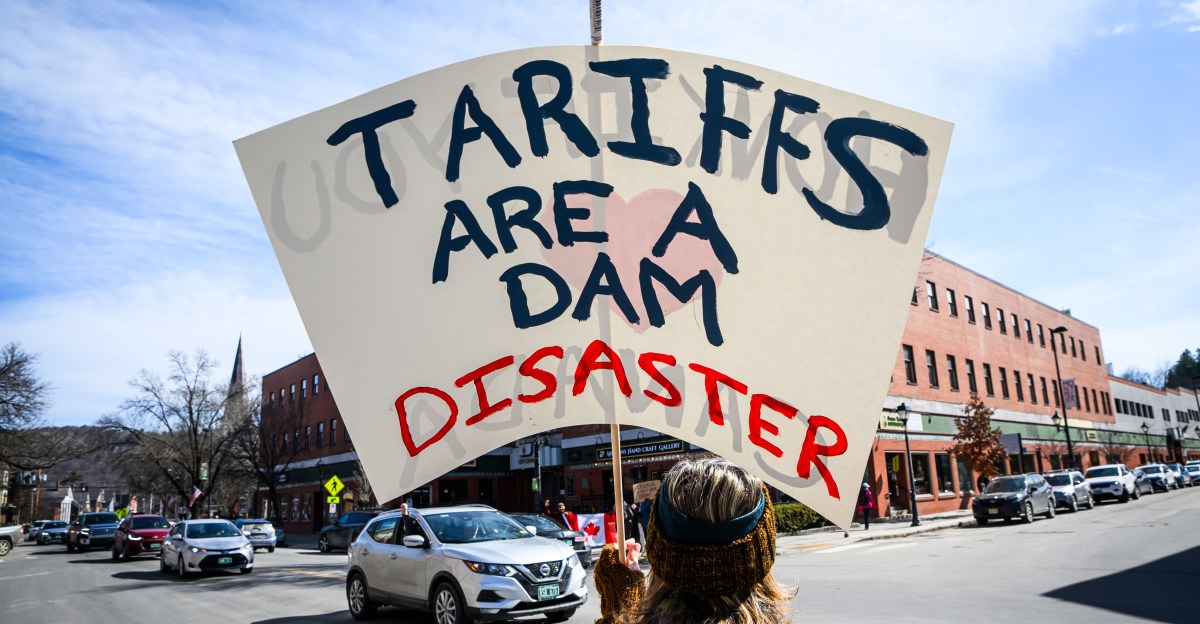
The Irony of Protection: Understanding the Backfire of Trump’s Tariffs on American Industry
In an era of increasing globalization, the concept of protectionism gained renewed attention during Donald Trump’s presidency. His administration implemented a series of tariffs aimed at shielding American jobs and industries from foreign competition. However, the irony of protection became evident as these tariffs led to unintended consequences, including job losses and economic challenges. This article examines the complex dynamics of Trump’s tariffs and their unexpected effects on American industry.
The Rationale Behind Trump’s Tariffs
When President Trump announced his tariff policies, the rationale was clear: protect American workers and rejuvenate domestic manufacturing. The tariffs primarily targeted steel and aluminum imports, with the intention of supporting American producers facing competition from cheaper foreign goods. The belief was that by imposing tariffs, American companies would thrive, resulting in job creation and increased economic growth.
- Support for Domestic Industries: The tariffs were positioned as a means to bolster U.S. industries that were struggling due to unfair trade practices.
- Job Preservation: The administration aimed to safeguard American jobs, especially in manufacturing sectors that were perceived to be at risk from overseas labor.
- National Security: Trump’s administration argued that dependence on foreign metals could compromise national security, making a case for protective tariffs.
The Unintended Consequences of Protectionism
Despite the well-intentioned goals of Trump’s tariffs, the reality proved to be far different. Rather than protecting American jobs, the tariffs often backfired, leading to significant economic challenges. The following points illustrate how protectionism can lead to unforeseen consequences:
1. Increased Costs for American Manufacturers
One of the most immediate effects of the tariffs was the increased cost of raw materials. Industries reliant on steel and aluminum found their input costs soaring, which in turn affected their overall competitiveness. For example, manufacturers that relied on these metals for production faced tighter margins and were forced to increase prices for consumers.
- Companies in the automotive sector reported rising costs, which could potentially reduce their overall output.
- Construction companies experienced higher expenses, leading to increased housing prices for consumers.
2. Job Losses in Affected Industries
While the intention was to preserve jobs in specific sectors, the reality was that many industries began to downsize due to the increased production costs. A significant number of jobs were lost in industries that depended heavily on imported materials.
- The manufacturing sector, particularly in industries like automotive and construction, faced layoffs as companies sought to cut costs.
- Small businesses, which often operate on thinner margins, were particularly vulnerable and some were forced to close their doors.
3. Retaliatory Tariffs from Other Countries
In response to Trump’s tariffs, several countries imposed retaliatory tariffs on American goods. This move not only hurt American exporters but also contributed to a decline in certain sectors, such as agriculture. Farmers found themselves facing new barriers to entry in key international markets.
- American soybeans faced heavy tariffs from China, leading to a significant drop in exports and income for farmers.
- Tariffs on bourbon and other American goods in European markets further complicated the landscape for U.S. exporters.
The Broader Economic Impact
The cascading effects of the tariffs extended beyond immediate job losses and increased costs. The broader economic impact raised concerns among economists and policymakers alike. Key areas of concern included:
1. Inflationary Pressures
The tariffs contributed to rising prices across various sectors, leading to inflationary pressures that affected consumers. As companies passed on the increased costs of raw materials to consumers, everyday goods became more expensive.
2. Volatility in Financial Markets
Trade tensions and uncertainties around tariffs contributed to volatility in financial markets. Investors reacted to the unpredictability of trade policies, leading to fluctuations in stock prices and investor confidence.
3. Strained International Relations
Trump’s tariff policies strained relations with key trading partners, complicating diplomatic negotiations and alliances. The focus on unilateral action often overshadowed collaborative approaches that could have benefited all parties involved.
Rethinking Trade Policy: A Path Forward
As the unintended consequences of Trump’s tariffs became evident, it prompted a broader discussion on how to approach trade policy moving forward. The lessons learned from this experience emphasize the need for a more nuanced and strategic approach to protecting American industries.
- Engaging in Multilateral Trade Agreements: Collaborative efforts that promote fair trade practices can often yield better results than unilateral tariffs.
- Investing in Innovation: Supporting research and development can help American industries become more competitive without the need for protectionist measures.
- Fostering Workforce Development: Investing in skills training and education can prepare workers for emerging industries and reduce reliance on protectionist policies.
Conclusion: The Irony of Protection
The irony of protection is that in striving to protect American jobs and industries, Trump’s tariffs often led to outcomes that were counterproductive. Job losses, increased costs, and strained relationships with trading partners highlight the complexities of trade policy in a globalized world. As we reflect on these lessons, it becomes clear that a more balanced and informed approach to trade can promote sustainable growth and prosperity for American industries and workers alike.
See more CCTV News Daily