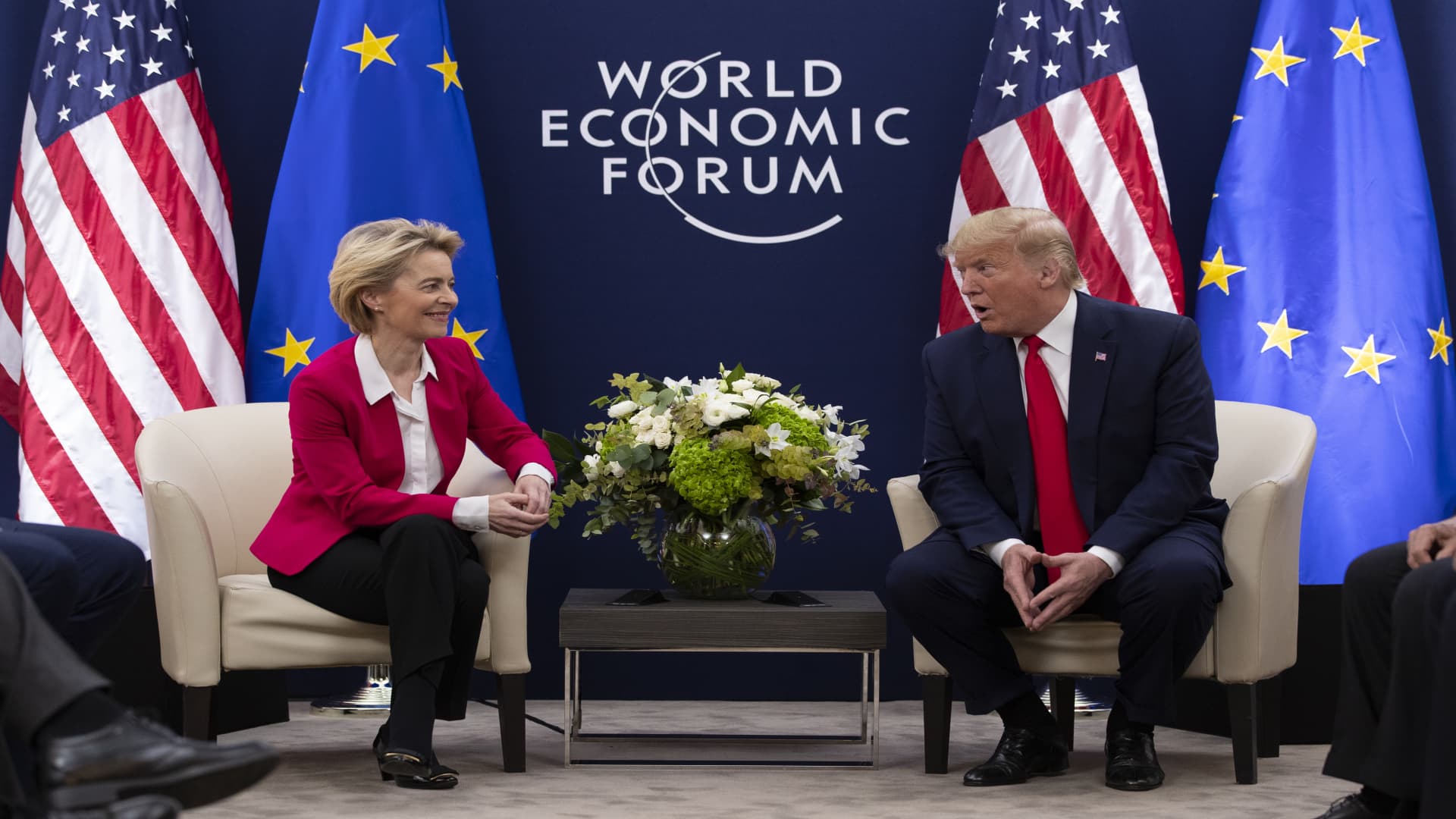
In a surprising turn of events, the United States has announced a delay in imposing tariffs on European Union (EU) goods, prompting market experts to evaluate the potential impacts on global trade relations. This pause raises critical questions: Is this a strategic maneuver to alleviate current tensions, or merely a prelude to future confrontations?
The Context of Tariff Delays
The decision to postpone tariffs was officially communicated by the Biden administration, stating that the delay aims to foster a more constructive dialogue with EU leaders regarding trade imbalances and agricultural policies. Tariffs on goods such as steel, aluminum, and various consumer products have been contentious points in U.S.-EU relations. According to the U.S. Trade Representative, Katherine Tai, “This delay is an opportunity for both sides to reassess their positions and work towards a mutually beneficial resolution.”
Understanding the Implications
Market analysts are closely monitoring this development, as the implications could stretch beyond the immediate economic landscape. Delayed tariffs might offer temporary relief to U.S. consumers facing rising prices due to previous trade wars. However, the underlying tensions may not have dissipated.
- Economic Impact: The U.S. economy has shown signs of recovery post-pandemic, but inflation remains a pressing concern. Analysts from the Brookings Institution project that any tariffs on imports could exacerbate inflationary pressures.
- Political Ramifications: Politically, this delay may be viewed as an attempt by the Biden administration to repair transatlantic relations, which have been strained since the Trump era. The EU has expressed cautious optimism but is wary of potential shifts depending on domestic U.S. politics.
- Global Trade Dynamics: The global trade environment is still fragile, with supply chain disruptions continuing to affect various sectors. A prolonged delay or further negotiations could either stabilize or destabilize these fragile systems.
Expert Opinions: A Mixed Bag
Experts are divided on the potential outcomes of this delay. Some view it as a positive step towards reducing trade tensions. For instance, Dr. Anna M. Smith, an economist at the Peterson Institute for International Economics, argues that “this pause could pave the way for a more comprehensive trade agreement that benefits both parties.”
Conversely, others warn that this delay might merely be a tactic to buy time. James O’Reilly, a senior analyst at the International Trade Center, suggests that “historically, tariff delays have often preceded escalated negotiations, leading to unexpected outcomes. The U.S. may still impose tariffs if talks do not yield satisfactory results.”
Possible Scenarios Moving Forward
As we look to the future, several scenarios could unfold, each with its own ramifications for global trade:
- Scenario One – Successful Negotiations: If the U.S. and EU can navigate through their differences effectively, this could lead to a new trade agreement that enhances cooperation and reduces tariffs across the board.
- Scenario Two – Renewed Tensions: Should negotiations falter, the U.S. may revert to imposing tariffs, potentially igniting a new wave of trade disputes that could affect global markets.
- Scenario Three – Stalemate: A prolonged period without progress could leave both sides in a state of uncertainty, impacting investor confidence and economic stability.
The Bigger Picture: Global Trade Relations
The U.S.-EU trade relationship is not an isolated matter; it is a crucial component of the broader global trade network. The implications of tariff delays extend to countries that rely on transatlantic trade, including emerging markets that may find themselves caught in the crossfire of U.S.-EU negotiations.
Moreover, countries such as China and India are closely observing these developments, as any shift in U.S. trade policy could alter competitive dynamics in their favor or disadvantage. According to a report by the World Trade Organization, global trade growth is already projected to slow, and any further disruptions could exacerbate this trend.
Conclusion: A Delicate Balance
The decision to delay tariffs is a complex maneuver that reflects the delicate balance of power in global trade. While it presents an opportunity for dialogue, it also underscores the fragility of international relations in an increasingly interconnected world.
As the situation unfolds, stakeholders across the globe must stay informed and adaptable to changing dynamics. The coming months will be critical in determining whether this pause leads to constructive outcomes or further escalates tensions. Keeping a close eye on future negotiations and market reactions will be essential.
Call to Action: To stay updated on this evolving story and gain insights from experts in international trade, subscribe to our newsletter and follow our coverage of global economic trends.
See more CCTV News Daily