Federal Trade Court Blocks Trump’s ‘Liberation Day’ Tariffs
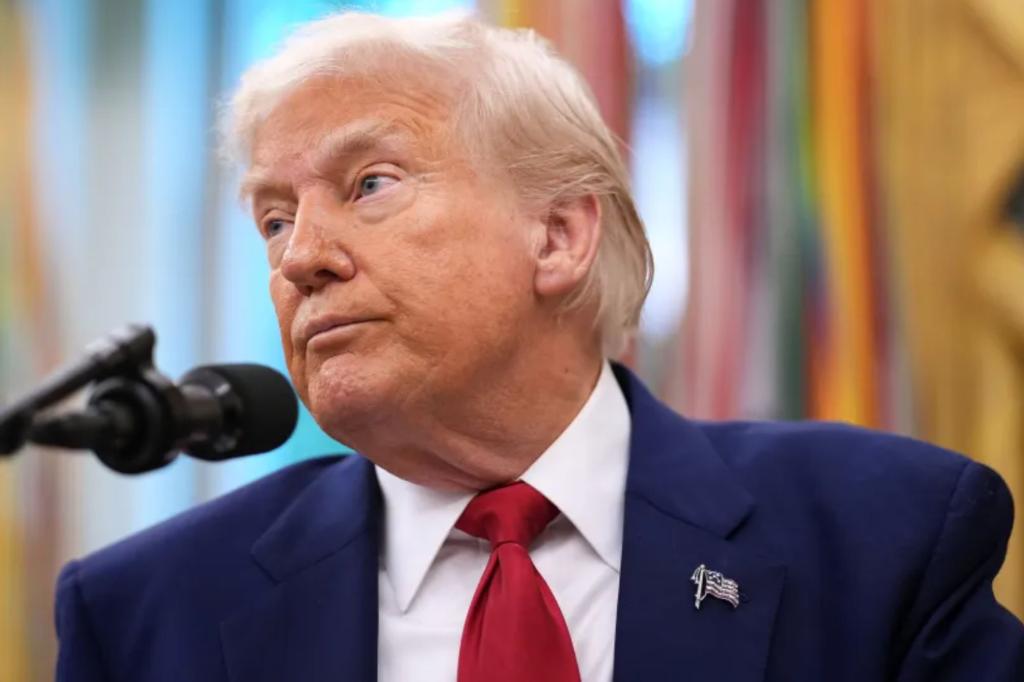
In a landmark decision, a federal trade court has halted the implementation of President Trump’s controversial ‘Liberation Day’ tariffs. This ruling, which comes amidst growing tensions in U.S. trade policy, raises significant questions about the future of economic relations both domestically and internationally.
Understanding the ‘Liberation Day’ Tariffs
Introduced in the waning days of Trump’s presidency, the ‘Liberation Day’ tariffs were aimed at penalizing countries perceived as engaging in unfair trade practices. The administration claimed these tariffs would protect American jobs and industries, especially in manufacturing and agriculture. However, critics argued that such measures would ultimately hurt consumers and lead to retaliatory actions from trading partners.
Legal Challenges and Rulings
The court’s ruling to block these tariffs stemmed from a legal challenge mounted by various trade groups and economic experts who asserted that the tariffs violated existing trade agreements. In a detailed analysis, the court found that the justification for the tariffs lacked substantial evidence, deeming them unconstitutional under U.S. trade laws.
This decision could redefine trade policy in the coming years. As noted by legal experts, the ruling not only affects the tariffs directly but also sets a precedent for how future trade measures are justified and implemented.
The Implications for U.S. Trade Policy
The halting of the ‘Liberation Day’ tariffs signals a potential shift in U.S. trade policy. With the Biden administration seeking to rebuild alliances and restore trust in international trade relations, the ruling may facilitate a more collaborative approach to global commerce.
Domestic Economic Impact
Economically, the immediate impact of the court’s decision is mixed. While some industries that were previously threatened by the tariffs may rejoice, others that had begun to adapt to the new trade environment might find themselves at a disadvantage. For instance:
- Manufacturers: Some sectors, particularly those reliant on imported materials, may benefit from reduced costs.
- Agricultural Producers: Farmers who faced retaliatory tariffs from countries like China might see a restoration of market access.
International Consequences
Internationally, the ruling could ease tensions with key trading partners who had strongly opposed the tariffs. Countries such as Canada and Mexico, who are integral to the U.S. supply chain, may view this as a positive step towards repairing trade relationships. However, the ruling also raises concerns about the unpredictability of U.S. trade policy, which can affect foreign investment decisions.
Future Outlook for U.S. Trade Relations
Looking ahead, the future of U.S. trade relations remains uncertain. Experts predict that the Biden administration will take a cautious approach, focusing on multilateral agreements rather than unilateral tariffs. This could pave the way for more stable and predictable trade policies.
Key considerations for U.S. trade policy include:
- Revisiting existing trade agreements to ensure they reflect current economic realities.
- Strengthening ties with allies to counterbalance the influence of emerging economies.
- Investing in domestic industries to enhance competitiveness without resorting to protectionist measures.
Conclusion
The federal trade court’s decision to halt Trump’s ‘Liberation Day’ tariffs marks a critical juncture in U.S. trade policy. As the nation grapples with the implications of this ruling, stakeholders must remain vigilant and adaptable in an ever-changing global economic landscape. The path forward will require a delicate balance between protecting domestic interests and fostering robust international partnerships.
Call to Action: Stay informed about developments in U.S. trade policy and consider how these changes may affect your industry. Join the conversation and share your thoughts on the future of trade relations in America.
See more CCTV News Daily